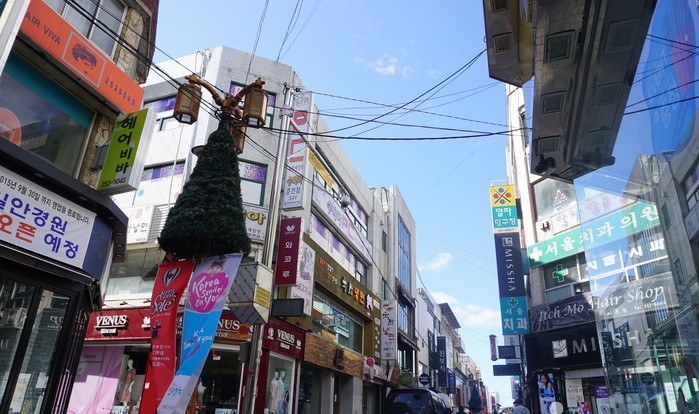
T-Money Card Guide: How to Use Seoul Public Transport
Planning a trip to Seoul often brings up a big question for many international visitors: "How on earth do I navigate this massive city's public transportation system?" You might be looking at the intricate subway map, feeling a little overwhelmed, and wondering if you'll spend half your trip just trying to figure out how to get from one amazing spot to the next.
It’s a completely fair concern! Seoul's public transport network is incredibly efficient and extensive, but for a first-timer, the thought of buying tickets, understanding fares, and making transfers can feel like a challenge. You want to focus on experiencing the vibrant culture, delicious food, and stunning sights, not getting lost in translation at a ticket machine.
That's where the T-money card comes in. This little piece of plastic is your ultimate travel companion in Korea, designed to make your journeys seamless, affordable, and stress-free. So, let’s break down everything you need to know about the T-money card, ensuring you can explore Seoul with confidence and ease.
What Exactly is a T-Money Card, Anyway? (And Why Do You Need It?)
First things first, you might be asking, "What even *is* a T-money card?" Simply put, it's a rechargeable smart card that works like a digital wallet for public transportation across Seoul and most other major cities in Korea. Think of it like an Oyster card in London or a Suica card in Tokyo. Its primary purpose is to simplify your commutes on subways, buses, and even some taxis.
The biggest 'why' for getting one is convenience. Instead of fumbling for exact change or buying single-use tickets every time you ride, you just tap your T-money card at the turnstile or on the bus. This saves you valuable time and eliminates any language barriers you might encounter at ticket machines. It's also significantly cheaper than buying single-journey tickets, as it offers discounted fares and seamless transfer benefits between different modes of transport, which we'll dive into next. You really don't want to miss out on those savings, especially if you plan to use public transport frequently, which you absolutely will in Seoul.
Where Can You Get a T-Money Card (and Keep It Loaded Up)?
Now that you know you need one, your next question is likely, "Where do I get my hands on a T-money card?" The good news is they're incredibly easy to find. Your first opportunity will probably be right when you land at Incheon (ICN) or Gimpo (GMP) International Airport. Look for convenience stores like GS25, 7-Eleven, or CU, which are usually located in the arrival halls.
You can also purchase a T-money card at any subway station across Seoul. Just head to the ticket vending machines, which usually have English language options, or ask at the customer service booths. The card itself typically costs around 2,500 to 4,000 KRW, which is a one-time purchase fee for the card itself, not credit for travel.
To top up, or 'charge,' your T-money card, you'll use the same convenient locations. All subway stations have automated machines where you can add funds, and all convenience stores that sell T-money cards can also load them up for you. You'll want to keep your card sufficiently charged so you never get stuck without enough credit when you need to travel. This is why having easy access to top-up locations is so important for smooth travel.
How Do You Actually Use This Card? (It's Easier Than You Think)
Okay, card in hand and loaded up – now for the crucial part: using it! It's super straightforward, and you'll get the hang of it in no time. For both the subway and buses, the process is largely the same:
When entering the subway, simply tap your T-money card on the sensor at the turnstile. You'll hear a 'beep,' and your remaining balance will be displayed. When exiting, tap your card on the sensor again at the departure turnstile. The system will automatically calculate your fare based on distance and deduct it.
On buses, you'll tap your card on the sensor near the driver when you board. Make sure to tap again on the sensor near the rear door *when you exit*. This is crucial for correctly calculating your fare and, more importantly, for activating the transfer discount. If you don't tap out on the bus, you might be charged the maximum fare for that route, and you won't be eligible for free or discounted transfers to another bus or subway line. You definitely want to tap out every time to save money and ensure your next ride is discounted.
These taps tell the system where you started and ended, ensuring you pay the correct fare. The 'why' behind this is all about efficiency and fairness in calculating your journey cost.
Beyond the Subway & Bus: Other Ways T-Money Comes in Handy
While its primary function is public transport, the T-money card is surprisingly versatile. You might find yourself reaching for it more often than you expect. Many taxis in Korea accept T-money for payment, which is incredibly convenient if you're hailing a cab late at night or want to avoid cash transactions. Just tell the driver you'll pay with T-money at the end of your ride.
You can also use your T-money card for small purchases at many convenience stores. Imagine grabbing a quick snack or a bottle of water without needing to pull out your wallet or credit card – just tap and go. This is particularly useful for those moments when you only need a small item and don't want the hassle of cash. Some vending machines and even public lockers in subway stations also accept T-money, adding another layer of convenience to your travels. This broad utility is why many travelers find it so useful beyond just getting around.
Is There Anything Else I Need to Know? (Common Questions Answered)
As you get more comfortable with your T-money card, a few other questions might pop up. Let's tackle them:
**Can I get a refund for my remaining balance?** Yes, you can! If you have less than 20,000 KRW remaining on your card, you can get a refund at most convenience stores. For amounts over 20,000 KRW, or if you want to get back the card's initial purchase fee (though usually not worth it if you plan to keep it as a souvenir), you'll need to go to a T-money Service Center located in subway stations. Be aware that a small service fee of around 500 KRW is usually deducted from your refund. You'll want to plan this before you leave the country, so you don't depart with unused funds.
**How do I check my balance?** Easy! Each time you tap in or out on the subway or bus, your remaining balance is displayed on the card reader. You can also check it at any convenience store or using the automated machines in subway stations. Keeping an eye on your balance helps ensure you always have enough for your next journey.
**Are there alternatives to T-money?** While T-money is by far the most convenient, you can use cash to buy single-use tickets for the subway (though these are slowly being phased out or limited) or to pay for bus fares. However, these cash payments do not offer the transfer discounts or the convenience of T-money, which is why we highly recommend getting a T-money card for your trip to Seoul. Using cash means more hassle and higher costs, which you'll want to avoid if possible.
Final Thoughts
There you have it – your comprehensive guide to mastering Seoul's public transport with the T-money card. This little card truly is a game-changer for navigating the city, saving you time, money, and a lot of unnecessary stress. You'll find that once you start using it, exploring Seoul becomes an even more enjoyable adventure, allowing you to seamlessly hop from historic palaces to bustling markets and serene parks.
So, as you finalize your packing list, make sure the T-money card is high on your essentials. It’s not just a payment method; it's your key to unlocking the full, dynamic experience Seoul has to offer, letting you travel like a local from your very first day.
Ready to plan your perfect Korean adventure, tailored just for you?
Discover your unique travel style and get personalized itinerary ideas with our fun quiz!
Find your Korea travel style →