What to Pack for Korea in Late November: Seoul to Jeju
Planning a trip to Korea in late November can feel a bit like trying to solve a puzzle, especially when you're visiting multiple cities like Seoul, Busan, and Jeju. You're probably wondering, "Will it be freezing? Do I need winter boots? What about the coast?" It's a really common question, and honestly, the weather can be quite variable, making packing a genuine challenge.
That's why I'm here to help you navigate the late autumn-to-early-winter transition in Korea. This guide will break down exactly what you'll need, city by city, so you can focus on enjoying your adventure without worrying about being too cold or carrying too much. We'll cover everything from your heaviest outerwear to those small, unexpected essentials that make all the difference.
Why is Korea's Late November Weather So Tricky to Pack For?
Understanding the climate is the first step to smart packing. In late November, Korea is transitioning from late autumn to early winter, which means you can experience a wide range of temperatures. In Seoul, daytime temperatures can hover around 0°C to 10°C (32°F to 50°F), but they'll drop significantly at night, often dipping below freezing. The wind chill can make it feel even colder, so while the sun might be out, you'll still feel that crisp, biting air.
Many travelers are surprised by how quickly the weather can change, or how cold it can feel even indoors in some older establishments. You might start your day with a clear sky, but by afternoon, a sudden cold front could sweep through. This variability is why layering is not just a suggestion; it's an absolute necessity. You'll want to be able to add or shed layers easily as you move between heated indoor spaces and the brisk outdoors.
What are the Essential Layers and Outerwear for Seoul's Chilly Cityscapes?
For Seoul, think 'onion layers.' Your base layer should be thermal underwear or long-sleeved heat-tech tops and leggings, especially if you get cold easily. These are thin but incredibly effective at trapping warmth. Over that, you'll want medium-weight sweaters or fleece jackets. Wool or cashmere blends are excellent choices because they offer good insulation without too much bulk.
Your outerwear is crucial. A warm, waterproof or water-resistant puffer jacket or a long wool coat is highly recommended. Make sure it's thick enough to withstand near-freezing temperatures, especially in the evenings. You'll be doing a lot of walking, exploring palaces, shopping streets like Myeongdong, and climbing up to Namsan Tower, so comfort and warmth are key. Don't forget accessories: a warm hat, scarf, and gloves are non-negotiable. Your ears, neck, and hands lose heat quickly, and you'll thank yourself for having them when you're out sightseeing for hours.
For footwear, comfortable, waterproof or water-resistant walking shoes or boots with good traction are a must. Many of Seoul's streets can get slick, and you'll cover a lot of ground. You don't want cold, wet feet to cut your exploration short, and you certainly don't want to slip. Pack thick, warm socks, preferably wool or thermal, to keep your feet toasty.
How Does Coastal Weather in Busan and Jeju Change Your Packing List?
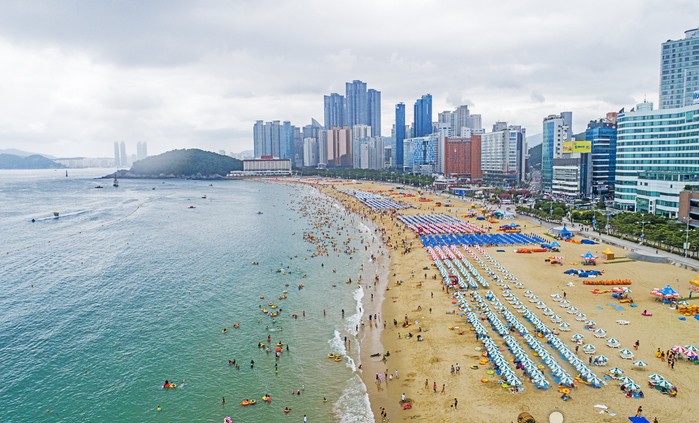
While Seoul gets a dry, continental cold, Busan and Jeju Island experience a more maritime climate. This means slightly milder temperatures, but also more humidity and wind. In Busan, for instance, you might find daytime temperatures a few degrees warmer than Seoul, but the coastal winds coming off the sea, especially at Haeundae Beach or Gamcheon Culture Village, can make it feel just as cold, if not colder. You'll want to prioritize windproof outerwear here.
Jeju Island's weather is famously unpredictable. It can change rapidly from clear skies to drizzle, fog, or strong winds, especially around Mount Hallasan or the coastal trails. Rain is more common than in Seoul during this time, so a waterproof jacket or a sturdy umbrella is essential. While temperatures might not drop as low as in Seoul, the dampness combined with wind can feel quite penetrating. You should still pack your thermals and warm layers, but ensure your outermost layer provides good protection against wind and rain. Comfortable, waterproof walking shoes are even more important here, as you might explore volcanic landscapes and nature trails.
What Korean-Specific Essentials Should You Add to Your Bag?
Beyond clothing, there are a few items that can significantly enhance your comfort and experience in Korea. First, a portable power bank is almost mandatory. You'll be using your phone constantly for navigation, translation, photos, and payment, so keeping it charged is crucial. Second, consider bringing a small, foldable umbrella. While you can easily buy one there, having one handy for unexpected drizzles in Jeju or Busan is practical.
Many travelers also find disposable heat packs (핫팩 – hot pack) incredibly useful. You can buy these at any convenience store in Korea, but having a few in your bag for particularly cold days, especially if you're spending extended time outdoors like at a night market or a palace, can be a game-changer. Simply activate them and put them in your pockets or gloves for instant warmth. Finally, don't forget a reusable shopping bag. Korea is very eco-conscious, and you'll often be charged for plastic bags at stores, so having your own is both convenient and environmentally friendly.
Any Final Packing Hacks for a Smooth Trip to Korea?
You're probably going to do some shopping – K-beauty, fashion, souvenirs – so make sure to leave some empty space in your luggage! A common mistake is to pack your suitcase to the brim, only to realize you have no room for all the wonderful things you'll want to bring home. Packing cubes can be your best friend here, helping you compress clothes and keep things organized, leaving more room for your new treasures.
Another tip is to plan your outfits by day. Lay everything out and visualize what you'll wear, making sure each item can be mixed and matched. This prevents overpacking and ensures you have a cohesive wardrobe. If you find yourself in a bind, don't fret; Korea has excellent shopping for all budgets, from high-end department stores to affordable underground malls and Daiso, where you can pick up almost anything you might have forgotten. And remember, major train stations like Seoul Station often have luggage storage facilities, which can be incredibly useful if you have a late flight and want to explore hands-free on your last day.
Final Thoughts
Packing for Korea in late November doesn't have to be overwhelming. By understanding the weather, embracing layers, and knowing a few local tricks, you'll be well-prepared for a comfortable and enjoyable journey through Seoul, Busan, and Jeju. Remember, the goal is to pack smart, not heavy, so you can make the most of every moment exploring this incredible country.
Ultimately, the 'right' way to pack depends on your personal tolerance for cold and your planned activities. But with these guidelines, you're off to a fantastic start. Have an amazing trip!
Ready to dive deeper into planning your ideal trip? Discover your perfect Korea itinerary based on your unique travel style!
Find out if you're a Culture Enthusiast, a Wellness Seeker, or a Foodie Explorer with our interactive quiz.
Find your Korea travel style →