
Rhinoplasty Revision Korea: Scarring, Costs, Safe Choices
When you're considering rhinoplasty revision, especially if it's your second or even third time, the emotional and financial stakes are incredibly high. It's a big decision, and perhaps you're looking at Korea because you've heard about the advanced techniques and specialized surgeons here.
I understand you're likely feeling a mix of hope and apprehension, particularly if your primary concern from a previous surgery was scarring, or if you're worried about new scarring with another procedure. It's a very valid concern that deserves thorough attention. My goal here, as your Seoul friend from HealthTravelLab, is to give you an honest, practical guide to navigating this complex journey.
This isn't about selling you on a clinic or procedure. Instead, I want to equip you with the right questions to ask, help you understand the real costs involved, and guide you on how to make truly safe, informed choices for your rhinoplasty revision in Seoul, especially when previous scarring is a factor.
Why International Patients Consider Korea for Rhinoplasty Revision

It's no secret that Korea has become a global hub for plastic surgery, and rhinoplasty is certainly one of its specialties. For revision cases, you'll often find a high volume of experienced surgeons. This isn't just about general skill; it means many doctors here have extensive experience with complex cases, which is crucial when dealing with previous surgical changes and potential scarring. In my experience in Seoul, the sheer number of clinics specializing in nose surgery has led to a highly competitive environment where surgeons often focus on specific areas of expertise. Many clinics are equipped with advanced diagnostic tools and boast sophisticated surgical environments, which can be reassuring when you're looking for a precise and careful revision. The medical tourism infrastructure in Seoul is also incredibly robust, making it easier for international patients to navigate their journey, from airport pick-up to post-operative care, though careful planning is still essential.
Understanding Rhinoplasty Revision, Especially Regarding Scarring
Rhinoplasty revision is inherently more complex than a primary rhinoplasty. This is because the surgeon is working with altered anatomy, scar tissue from previous operations, and potentially limited cartilage. When you're considering revision, you're not just looking for a new shape; you're often looking to correct deformities, improve breathing, or address functional issues that arose from the initial surgery. A significant concern for many patients, especially those considering revision, is scarring. Scar tissue can form internally during the healing process, potentially distorting the final shape, contracting, or causing firmness. Externally, visible scars from previous incisions might also be a worry. A skilled revision surgeon will assess the existing scar tissue, whether it's internal or external, and strategize how to manage it during the new procedure. They might need to excise problematic scar tissue, use specific grafting techniques to support the new structure and minimize further scarring, or employ advanced suturing methods to ensure minimal visible marks. It's crucial for you to understand that while a surgeon can do their best to minimize scarring, some degree of internal scar tissue formation is a natural part of the healing process, and managing it is a key aspect of successful revision surgery.
Your Options: Common Approaches for Rhinoplasty Revision and Scarring Management
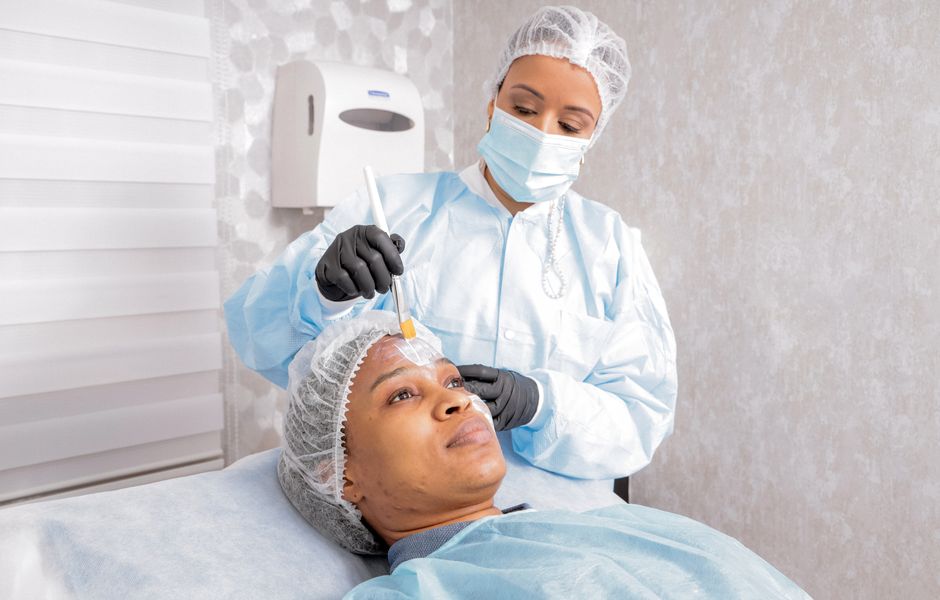
For rhinoplasty revision, especially with scarring concerns, surgeons often employ open rhinoplasty techniques because it allows for the most direct visualization of the underlying structures, including existing scar tissue. This approach involves a small incision on the columella, the strip of skin between the nostrils, which typically heals very well and becomes nearly imperceptible over time. Sometimes, a closed approach might be considered, with incisions made inside the nostrils, but this is generally reserved for less complex revisions as it offers limited visibility for extensive work or scar tissue management. When it comes to scar management, clinics might discuss strategies such as specific injection therapies (like steroid injections) post-surgery to minimize internal scar contraction, or specialized massage techniques during recovery. For external scars from previous surgeries, they might discuss scar revision techniques simultaneously. You'll want to ask prospective surgeons about their preferred techniques for revision, how they specifically address and manage existing scar tissue, and what their strategy is for minimizing new scarring, both internally and externally, given your unique history. Different surgeons have different philosophies and expertise, so understanding these approaches is vital for your decision-making process.
What to Expect: From Consultation to Recovery Timeline for Revision
Your journey for rhinoplasty revision will typically begin with a thorough consultation. This isn't just a quick chat; it should be an in-depth discussion where you articulate your concerns, especially about previous scarring, and your desired outcome. The surgeon will meticulously examine your nose, reviewing your medical history, and likely asking for details about your previous surgery or surgeries. Be prepared to share old surgical records if you have them, as this gives the surgeon invaluable insight into your unique anatomy and previous alterations. After the consultation, if you proceed, you'll have pre-operative tests to ensure you're a good candidate for anesthesia. The surgery itself can range from a few hours for simpler revisions to more extended periods for complex cases. Directly after surgery, you'll have a cast or splint on your nose, and you'll experience swelling and bruising around your eyes and nose. This is completely normal.
For revision rhinoplasty, the recovery timeline tends to be longer and more nuanced than a primary procedure. The initial cast typically stays on for about a week. After its removal, while you'll see an immediate change, significant swelling will persist. Most of the obvious swelling resolves within the first month or two, but it can take a full year, or even longer for revision cases, for the final results to emerge as residual swelling completely dissipates and scar tissue matures. During this time, managing expectations is key. You'll have several follow-up appointments during your stay in Korea to monitor healing, address concerns, and potentially receive treatments for swelling or scar management. It's essential to plan for an extended stay in Korea, often a minimum of 10-14 days for revision, to ensure you receive adequate post-operative care before flying home. Flying too soon can exacerbate swelling and potentially affect your results because of pressure changes.
Choosing a Clinic Safely: What to Look For and Red Flags to Avoid

Choosing the right clinic and surgeon for a revision is perhaps the most critical step, even more so than for a primary surgery. You'll want to prioritize proven expertise and clear communication over flashy marketing. First, look for board-certified plastic surgeons with extensive experience specifically in revision rhinoplasty. Don't be afraid to ask about their experience with cases similar to yours, especially concerning prior scarring. A surgeon who specializes in nose surgery and performs a high volume of revisions is often a good indicator of their skill. Ask about their approach to managing scar tissue and what their aftercare protocol is for revision patients. A good clinic will have a transparent and patient-centered consultation process, allowing ample time for your questions and providing detailed explanations. They should also have an established system for international patients, including English-speaking coordinators and clear communication channels for post-operative inquiries once you return home. Remember that for revision surgery, managing expectations is crucial, so be wary of clinics or surgeons that promise 'perfect' results or dismiss your concerns about scarring too easily.
Another important aspect is facility accreditation and safety standards. Korean clinics generally uphold high standards, but it's always wise to confirm. Make sure the clinic has a well-equipped operating room and follows strict sterilization protocols. Finally, look at the overall communication. Do you feel heard? Are your concerns about scarring taken seriously? A good surgeon will be honest about what is realistically achievable given your unique circumstances and previous surgical history. They should never push you towards a decision or make you feel rushed.
Planning Your Trip: Recovery Stay and Travel Logistics

Since revision rhinoplasty requires a longer and often more delicate recovery period, planning your stay in Seoul is paramount. You'll want to choose accommodation that is comfortable, quiet, and conveniently located near your clinic for follow-up appointments. Many patients opt for serviced apartments or hotels with kitchenette facilities, as you might prefer to prepare your own gentle, soft foods during the initial recovery phase. Being able to rest and recuperate without the stress of daily logistics is incredibly important. Consider staying in areas known for their medical tourism infrastructure, such as Gangnam or Apgujeong, as they offer easy access to clinics, pharmacies, and even specialized recovery services.
I always recommend budgeting for at least 10-14 days for revision rhinoplasty; some complex cases might even benefit from three weeks. This gives you enough time for the initial healing, cast removal, and at least a few post-op checks before you fly. Remember, flying with significant swelling can be uncomfortable and potentially impact your healing. Plan your travel during a less busy season if possible, to avoid crowded flights and airports, which can add unnecessary stress. For transportation around Seoul, the subway system is excellent, but during the initial days of recovery, taxis or ride-hailing services might be more comfortable. Pre-arranging airport transfers through your clinic or a dedicated service can also reduce stress upon arrival and departure. Don't forget about essentials like a local eSIM or SIM card so you can easily communicate with your clinic, family, and navigate the city. Planning a comfortable and stress-free recovery environment is truly as important as choosing your surgeon, as it directly impacts your overall healing experience.
Planning a comfortable and convenient recovery stay in Seoul? Compare hotels and serviced apartments near major clinic districts like Gangnam for optimal post-op ease.
Final Thoughts
Embarking on a rhinoplasty revision journey, particularly with concerns about previous scarring, is a significant undertaking. While Korea offers excellent opportunities for skilled surgical care, the key to a successful experience lies in thorough preparation, realistic expectations, and diligent research. You deserve to feel confident and well-informed every step of the way.
Remember, this is your health and your body. Take your time, ask all the hard questions, and trust your instincts. I hope this guide helps you navigate your path to a safe and satisfying outcome.