
Otoplasty for Children Korea: Cost, Recovery, Scarring Guide
As a parent considering medical travel for your child, the journey feels incredibly personal and perhaps a little daunting. When it comes to something as sensitive as otoplasty for a 10-year-old, you're not just looking for a procedure; you're seeking a solution that prioritizes their comfort, safety, and a successful outcome that boosts their confidence.
Here in Seoul, as your local friend, I understand those concerns. You want to know the real story: what it truly costs, how long recovery takes, what scarring might look like, and how to navigate all of this from abroad. This guide is designed to give you that honest, practical perspective, helping you make informed decisions every step of the way.
We're going to dive into the details, from understanding the procedure itself to planning your family's stay in Korea, ensuring you have all the information you need to feel confident and prepared.
Why International Patients Consider Korea for Pediatric Otoplasty
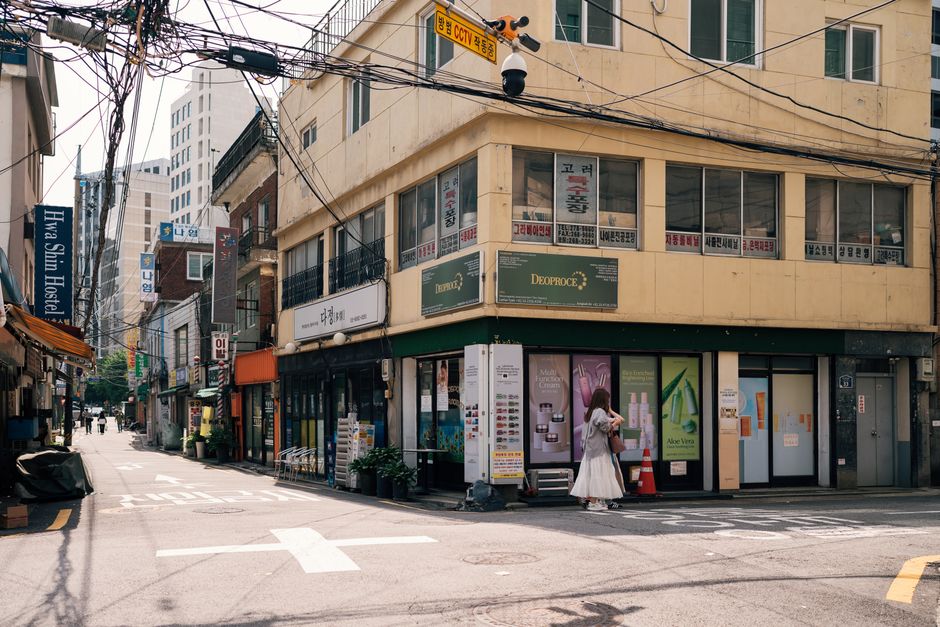
Korea has built a strong reputation as a hub for medical tourism, and it’s not just for adults. Many parents look to Korea for pediatric procedures, including otoplasty, because of the country's advanced medical infrastructure and highly trained specialists. You might have heard about the high standards of care and the focus on aesthetics here, which often translates into meticulous surgical techniques even for reconstructive procedures like otoplasty.
When you're bringing your child for treatment, you're likely looking for clinics that combine surgical expertise with a patient-centered approach, especially for younger patients. Korean medical institutions are generally well-equipped with modern technology, which can contribute to precise surgical outcomes and potentially smoother recovery processes. According to the Korea Health Industry Development Institute (https://www.khidi.or.kr), South Korea consistently ranks among the top destinations for international patients seeking a range of medical services.
Another significant factor for many international families is the comprehensive service often provided, including multilingual staff and coordinators who can assist with everything from initial consultations to post-operative care. This level of support can be particularly reassuring when you're managing your child's medical needs in an unfamiliar country. They understand that communication is key, especially when discussing sensitive topics about your child's health.
What Pediatric Otoplasty Actually Involves
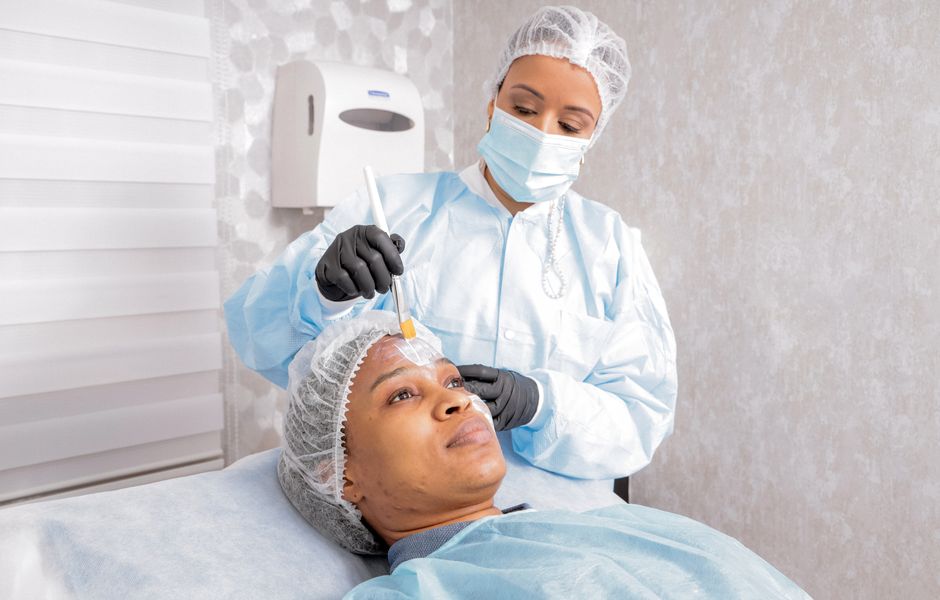
Otoplasty, often called ear pinning or ear reshaping, is a surgical procedure designed to correct prominent or disproportionate ears. For children, it's typically performed after the ears have reached near-adult size, usually around 5-7 years old, but it's not uncommon for 10-year-olds to undergo the procedure. At this age, a child is often more aware of their appearance and may express a desire for the correction themselves, which is an important consideration.
The procedure aims to reshape the cartilage within the ear to create a more natural-looking fold and bring the ear closer to the head. Depending on the specific issue, the surgeon might remove a small amount of cartilage, fold it, or use sutures to hold it in a new position. The incision is almost always made on the back of the ear, which helps to conceal any resulting scar.
General anesthesia is typically used for children to ensure they remain comfortable and still throughout the surgery. The operation itself usually takes between one to two hours, depending on the complexity and whether one or both ears are being treated. It's an outpatient procedure, meaning your child will likely go home the same day, but a short observation period in the clinic is standard.
Your Options: Common Otoplasty Approaches Compared
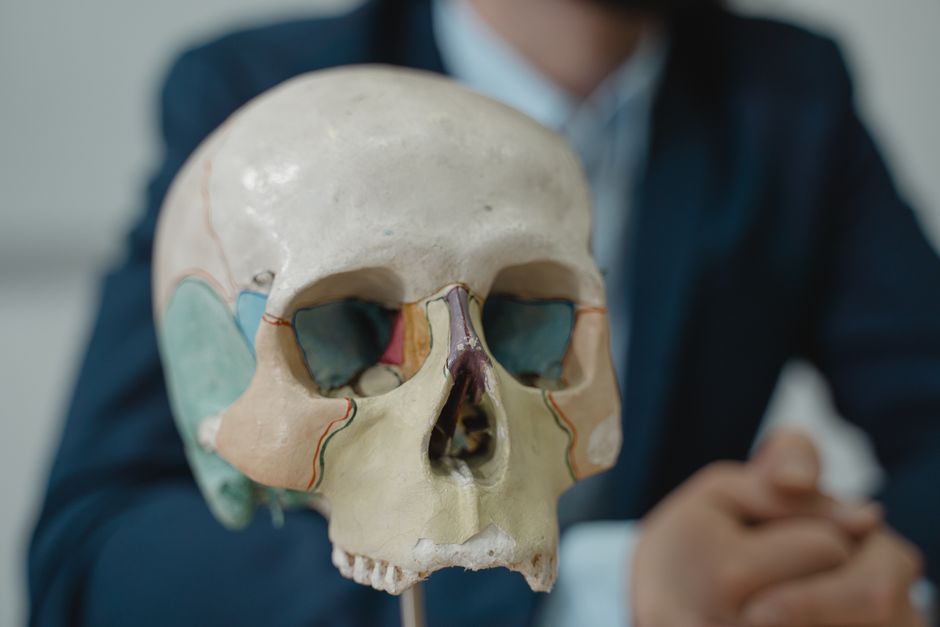
There are several techniques surgeons use for otoplasty, and the best approach for your child will depend on their specific ear anatomy and the desired outcome. Generally, these methods fall into categories that either reshape the cartilage or remove it.
One common technique is the **cartilage-suturing technique**, where permanent sutures are used to create or enhance the natural folds of the ear, pinning it back closer to the head. This method is often preferred for its relatively less invasive nature and ability to achieve a natural contour without extensive cartilage removal. It's about 'folding' the ear back.
Another approach involves **cartilage-scoring or excision**. In cases where the cartilage is too rigid or excessively large, a small amount of cartilage might be gently scored (weakened) or removed to allow it to bend into a more desired shape. This method is used when suturing alone might not be enough to achieve the desired correction. The key is to create a soft, natural curve.
For children, surgeons generally aim for techniques that minimize trauma and ensure a natural, symmetrical appearance that will last as they grow. The choice of technique will significantly influence the details of the procedure, from the incision type to the healing process. This is why a thorough consultation and understanding your child's specific needs are crucial.
What to Expect: Consultation to Recovery Timeline for Your Child

Navigating the timeline from initial consultation to full recovery for your child's otoplasty in Korea requires careful planning. Here's a general arc of what you can expect:
**Initial Consultation (Day 1-2 in Korea):** Upon arrival, you'll have an in-depth consultation with the surgeon. This is where you discuss your child's specific concerns, the surgeon's recommended approach, and potential outcomes. Your child's comfort and understanding are paramount here; ensure interpreters are available to facilitate clear communication for both you and your child. They'll examine your child's ears, take measurements, and explain the surgical plan. This is also the time for pre-operative tests, such as blood work.
**Procedure Day (Day 2-3):** The surgery itself is usually an outpatient procedure. Your child will receive general anesthesia. After the surgery, a soft, protective bandage will be wrapped around their head to support the new ear shape and minimize swelling. They'll be monitored for a few hours before being discharged, and you'll receive detailed post-operative care instructions.
**First Week Post-Op (Days 4-7):** The head bandage will typically remain in place for about 5-7 days. During this time, your child might experience mild pain or discomfort, which can usually be managed with prescribed pain medication. Swelling and bruising are normal. Keeping the head elevated, even during sleep, is important. Activities will be limited; no strenuous play or contact sports. This is a critical period for initial healing.
**Weeks 2-4 Post-Op:** The head bandage will be removed, and your child will likely switch to wearing a lighter headband, especially at night, for several more weeks. This helps maintain the new shape during the healing process. Swelling will gradually subside, and the ears will begin to look more natural. Light activities can usually be resumed, but contact sports or rough play should still be avoided. The incision lines, typically behind the ear, will start to fade but will still be visible.
**Months 1-6 and Beyond:** Full recovery can take several months as residual swelling completely disappears and the tissues settle. Scarring will continue to mature and lighten over time. Most children can return to all normal activities, including sports, around 6-8 weeks post-op, with the surgeon's clearance. It's essential to follow all post-operative instructions diligently to ensure the best possible outcome and minimize complications.
**Regarding scarring:** Because the incisions are typically made in the natural crease behind the ear, visible scarring on the front of the ear is rare. While a scar will always exist where an incision was made, it's usually well-hidden and fades significantly over time, becoming a thin, white line. Surgeons in Korea are known for their meticulous techniques aimed at minimizing visible scarring, but you should discuss scar management and expectations with your child's surgeon.
Your child's emotional well-being is also a part of recovery. A 10-year-old might feel anxious or self-conscious during the initial healing phase. Providing a calm, supportive environment and engaging them in quiet, comforting activities will be very important during this time.
Choosing a Clinic Safely: What to Look For and Red Flags to Avoid

Selecting the right clinic for your child's otoplasty is perhaps the most crucial step. It's not just about finding a surgeon; it's about finding a medical team and facility that prioritizes pediatric care and safety. Here's what to look for and some red flags to avoid:
**What to Look For:**
* **Board Certification and Experience:** Ensure the surgeon is board-certified in plastic surgery or a related specialty and has extensive experience specifically with pediatric otoplasty. Ask about their training and how many such procedures they perform annually. The Ministry of Health and Welfare (https://english.mohw.go.kr) oversees medical licensing in Korea, ensuring practitioners meet national standards.
* **Pediatric Anesthesia Expertise:** For a child, the anesthesiologist's experience is just as vital as the surgeon's. Confirm that the clinic has anesthesiologists who specialize in pediatric cases and are available throughout the procedure.
* **Facility Accreditation:** Look for clinics that operate in accredited facilities. This means they meet rigorous standards for patient safety, sterile environments, and emergency preparedness. While specific accreditations might vary, asking about their facility's safety protocols is key.
* **Clear Communication and Transparency:** The clinic should be eager to answer all your questions, provide detailed information in English (or your preferred language), and offer a clear, itemized quote that covers all anticipated costs. They should explain the procedure, risks, and recovery expectations in a way you and your child can understand.
* **Comprehensive Aftercare Plan:** A good clinic will provide a detailed aftercare plan, including contact information for follow-up questions, wound care instructions, and advice on managing discomfort. Discuss how they handle post-operative concerns once you've returned home.
**Red Flags to Avoid:**
* **Pressure Tactics or Limited-Time Offers:** A reputable clinic will never rush you into a decision or pressure you with discounts that expire quickly. This is a significant decision for your child, and you need time to consider all options.
* **Unrealistically Low Prices:** While Korea can offer competitive pricing, exceptionally low quotes compared to others should raise a red flag. This might indicate hidden costs, compromises on quality, or inexperienced staff. Remember, the cheapest option is rarely the best, especially for your child's health.
* **Lack of Pediatric Focus:** If a clinic primarily caters to adult aesthetic procedures and seems to lack specific protocols or staff for children, it might not be the best fit for your child's otoplasty.
* **Vague or Unclear Information:** If you're struggling to get clear answers about the surgeon's qualifications, the procedure details, the anesthesia plan, or the total cost, take it as a warning sign. Transparency is essential.
* **Before-and-After Guarantees:** No reputable surgeon can guarantee specific aesthetic results. Every child's anatomy and healing process are unique. Be skeptical of clinics promising 'perfect' or 'risk-free' outcomes.
Planning Your Trip: Recovery Stay and Travel Logistics for Your Family

Traveling for your child's medical procedure involves more than just the clinic; it's about creating a supportive and comfortable environment for recovery. Here's how to plan your family's stay and travel logistics in Seoul:
**Duration of Stay:** For pediatric otoplasty, you'll generally want to plan for a stay of at least 10-14 days. This allows for the initial post-operative bandage period, suture removal (if applicable), and crucial follow-up visits with the surgeon to ensure proper healing. Rushing this can compromise the results and your child's comfort. Many parents also appreciate a few extra days after the final check-up to allow their child to feel more settled before the journey home.
**Accommodation:** Choosing the right accommodation is key. You'll want a hotel or serviced apartment that offers comfort and convenience, ideally located close to your chosen clinic. Look for options with:
* **Family-friendly amenities:** A spacious room, perhaps a kitchenette for preparing light meals, and maybe even a play area or nearby park for gentle, supervised activities as your child recovers.
* **Quiet environment:** Your child will need plenty of rest, especially in the first week. A peaceful setting away from noisy streets or busy tourist areas can be beneficial.
* **Accessibility:** Easy access to public transport or reliable taxi services to and from the clinic is important. Seoul's subway system is excellent and can be navigated with ease (https://www.seoul.go.kr/eng/city/traffic.jsp).
**Travel Logistics:**
* **Flights:** Book flexible tickets if possible. While the recovery timeline is generally predictable, having the option to adjust your return flight can provide peace of mind in case of unforeseen circumstances.
* **Insurance:** Ensure you have comprehensive travel insurance that covers medical emergencies and potential trip interruptions for your entire family. Medical tourism insurance is a specialized type of coverage worth exploring.
* **Child's Comfort During Travel:** For the flights to and from Korea, think about your child's comfort. Bring their favorite toys, books, or entertainment to keep them occupied. After the surgery, avoid anything that puts pressure on their ears during travel.
* **Interpreter Services:** Many medical tourism agencies or clinics can arrange professional interpreters. Having a dedicated interpreter who can explain things to your child in a comforting way can make a huge difference in their experience.
* **Activities During Recovery:** While your child needs rest, complete isolation isn't ideal. Plan for quiet, engaging activities like reading, drawing, watching movies, or gentle walks in local parks (avoiding crowds). Seoul has many lovely, serene spots where you can relax without overexerting your child. Think about the Han River parks or smaller neighborhood green spaces.
Final Thoughts
Bringing your child for a medical procedure, especially internationally, is a significant decision. My hope is that this honest guide gives you a clearer picture of what to expect for pediatric otoplasty in Korea, from the surgical details to the financial investment and recovery journey. Remember, the best preparation combines thorough research with thoughtful planning, prioritizing your child's comfort and well-being above all else. You're doing incredible work by looking into all these details, and with careful choices, you can make this a positive experience for your family.
Should you choose to embark on this journey, Seoul is ready to welcome you with its advanced medical care and a supportive environment. Take your time, ask all your questions, and ensure you feel completely confident in your choices.