Skin Complications Post-Procedure in Korea: Follow-Up Guide
Seoul has become a global hub for innovative skincare and aesthetic procedures, drawing many of you to experience its renowned clinics. Microneedling and chemical peels are particularly popular for their transformative results, offering a path to clearer, more radiant skin. It's completely understandable to be excited about these treatments, and most experiences are positive, leading to the glowing results you hoped for.
However, even with the most skilled practitioners, sometimes your skin might react unexpectedly. Whether it's persistent redness, unusual swelling, or a rash that wasn't there before, encountering post-procedure complications can be quite unsettling, especially when you're in a foreign country. You might feel anxious about where to go, who to talk to, or how to explain what's happening.
This guide is designed to help you navigate those moments. We'll walk you through understanding common reactions versus genuine complications, how to seek appropriate follow-up care in Seoul, and essential tips for effective communication with local clinics. Our goal is to empower you with the practical information you need to ensure your skin recovers smoothly and safely, allowing you to fully enjoy your HealthTravelLab journey.
Recognizing Normal vs. Unexpected Post-Procedure Skin Reactions
After treatments like microneedling or chemical peels, your skin will naturally show some signs of recovery. Understanding what's normal is the first step in deciding if you need follow-up care. Typically, you can expect some redness, mild swelling, and sensitivity for a few days. For chemical peels, light flaking or peeling is also part of the process, as the old skin cells shed away to reveal fresh, new skin. You might also feel a slight tightness or dryness.
However, if you notice severe pain, excessive swelling that worsens over time, blistering, oozing, or signs of infection (like pus or increasing warmth around the treated area), these are definitely red flags. Persistent redness lasting beyond a week, an itchy rash, or new skin discoloration also warrant concern. It's crucial to distinguish these more serious symptoms from the body's natural healing response because they could indicate a complication requiring professional attention. Knowing the 'why' behind these reactions can help you make an informed decision; normal reactions are due to controlled injury and regeneration, while severe symptoms suggest an adverse event like an infection or allergic reaction.
When and How to Seek Prompt Follow-Up Care

If you're experiencing concerning symptoms, time is often of the essence. Don't hesitate to contact the clinic where you received your procedure immediately. Many Korean clinics are highly organized and prioritize patient follow-up, especially for potential complications. The best approach is to call or message them as soon as possible. Be ready to describe your symptoms clearly and concisely, and if possible, send clear, well-lit photos of the affected area. This visual aid can be incredibly helpful for the medical staff to assess your situation remotely.
When you call, specifically state that you're experiencing 'unusual post-procedure symptoms' ('시술 후 이상 증상' - 'sisul hu isang jeungsang'). Request an urgent follow-up appointment. Many clinics reserve slots for such cases, because addressing complications quickly is part of their commitment to patient safety and reputation. It's important to provide them with your patient ID or the date of your procedure to help them quickly locate your records. This proactive communication ensures you get the timely attention you need to prevent further issues, which is why immediate contact is always recommended.
Navigating Language Barriers and Communication Challenges
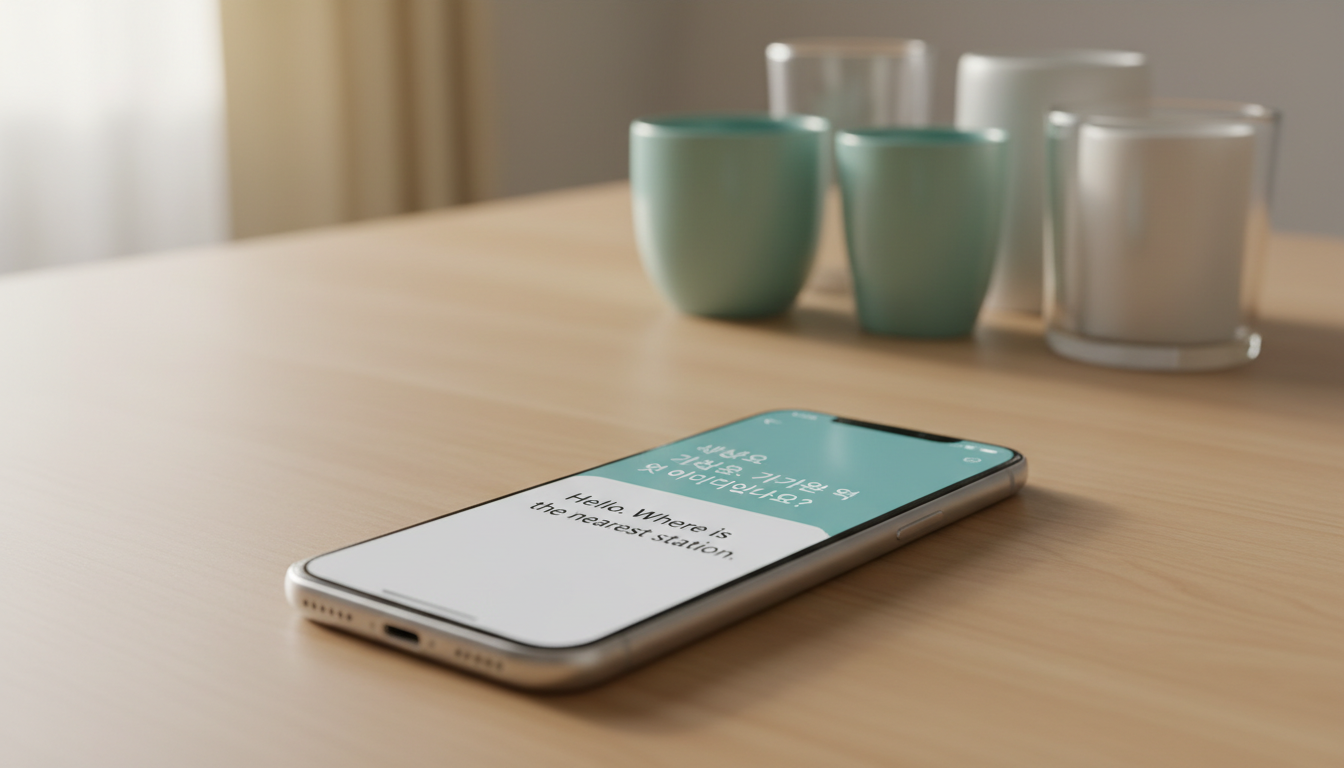
One of the biggest concerns for foreigners seeking medical care abroad is the language barrier. While many clinics in popular tourist areas of Seoul have English-speaking staff or international coordination teams, it's not guaranteed everywhere. To ensure clear communication during your follow-up, consider bringing a Korean-speaking friend if possible. Alternatively, many excellent translation apps are available for your smartphone, some offering real-time voice translation that can be incredibly useful.
Before your appointment, prepare a list of your symptoms, questions, and any medications you're currently taking, written down clearly in English. This allows you to use a translation app effectively or point to key terms. When speaking with the doctor, ask them to speak slowly and clearly. Don't be afraid to ask for clarification if something isn't clear. Repeating their instructions back to them in your own words (or via translation) can also help confirm understanding. Effective communication is paramount for accurate diagnosis and appropriate treatment, ensuring you receive the correct care for your specific needs.
Essential Information to Bring to Your Follow-Up Appointment

When attending your follow-up appointment, being prepared with the right information can streamline the process significantly. You should bring your passport or identification card, your original patient card or record from the clinic, and any aftercare instructions you were given. If you took photos of your skin complication, bring those too, as they provide a visual timeline for the doctor.
Crucially, compile a list of all your current medications, including any over-the-counter drugs or supplements. Also, note down any known allergies. Be prepared to discuss your general health history briefly. This comprehensive overview helps the medical team understand your background and potential factors contributing to your skin reaction, which is why having everything organized can lead to a more efficient and accurate assessment. Korean medical professionals value thoroughness, and providing all relevant details assists them in tailoring the best possible care plan for you.
General Tips for a Smooth Recovery and Future Prevention

Even after your follow-up appointment and receiving a treatment plan, continued diligent care is vital for a smooth recovery. Adhere strictly to any prescribed medications or topical treatments, and follow all aftercare advice given by your doctor. This might include avoiding direct sun exposure, using gentle cleansers, or temporarily refraining from certain makeup or skincare products. Your skin is in a sensitive state, and proper post-procedure care is critical for healing and achieving the best long-term results.
For future procedures, consider conducting thorough research on both the clinic and the specific treatment. Ask about expected recovery times, potential side effects, and what to do in case of complications *before* your procedure. Don't hesitate to ask for a detailed aftercare plan in writing. While complications are rare, being prepared with knowledge of what to expect and how to act can significantly reduce stress and ensure a safer, more satisfying experience during your HealthTravelLab journey. This proactive approach helps you maintain control over your wellness decisions.
Final Thoughts
Experiencing an unexpected skin complication after a procedure in Seoul can feel daunting, but remember that many clinics are equipped to handle such situations. By knowing what to look for, communicating effectively, and being prepared, you can navigate follow-up care with confidence. Your well-being is our priority, and with the right information, you can ensure a safe and successful recovery from any setbacks.
We hope this guide provides you with the clarity and support you need. Remember to always prioritize your health and well-being, both during and after your time in Korea.