
Korean Dermatology for Tourists: Costs & Clinic Guide 2026
Seoul has become a global hotspot for K-beauty, and it’s no surprise that many of you visiting Korea are curious about experiencing its renowned dermatology clinics. From glass skin to targeted treatments, the allure is strong. I get it – as someone who lives here, I’ve seen firsthand how impressive the advancements are.
However, diving into the world of Korean dermatology as an international patient, especially on a short trip, can feel a bit overwhelming. You might be wondering about the real costs beyond the quoted procedure price, how to choose a reputable clinic, or what to expect when you only have a few days. It's totally natural to have these concerns because you want to make the most of your trip and ensure you’re making safe, informed decisions.
This guide is here to give you an honest, patient-first perspective. We'll walk through everything you need to consider, from understanding what treatments are realistic for a short visit to budgeting for the total trip cost, so you can plan your dermatology experience in Korea with confidence.
Why International Patients Consider Korea for Dermatology

It's undeniable: Korea has a reputation for cutting-edge beauty and cosmetic innovation. When you look at the vibrant K-beauty industry and the rapid advancements in skincare, it makes perfect sense why so many people globally look to Seoul for dermatology. The clinics here are often equipped with the latest technologies, and dermatologists are highly specialized, often focusing on particular areas like laser treatments or injectables. You'll find a wide array of options, from brightening and toning lasers to advanced skin boosters designed to improve overall skin health.
Beyond the technology, there's also an emphasis on achieving natural-looking results and a meticulous approach to patient care, even for aesthetic procedures. This focus on subtle enhancement rather than drastic change resonates with many international patients. Compared to many Western countries, the cost for high-quality treatments can also be more competitive, which is a significant draw for you if you're looking for value without compromising on expertise. It's a combination of innovation, specialization, and accessibility that makes Korean dermatology so appealing.
What a Dermatology Visit Actually Involves
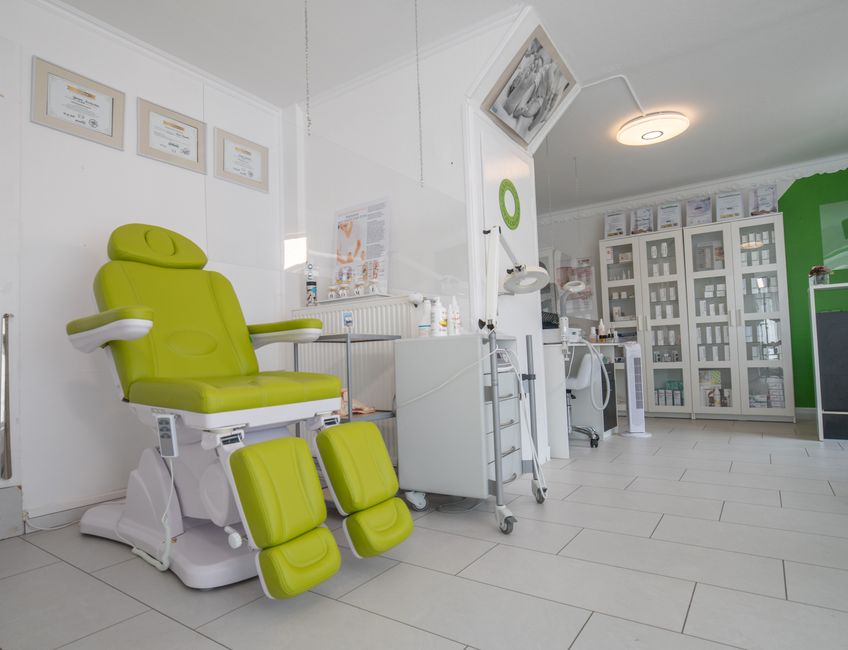
When you visit a dermatology clinic in Korea, especially for aesthetic purposes, it's generally a very streamlined and professional process. Most clinics specialize in non-surgical or minimally invasive treatments that require little to no downtime, making them ideal for tourists on a tighter schedule. Think about popular treatments like various types of laser toning, which are great for evening out skin tone and reducing pigmentation, or skin booster injections (like Rejuran, NCTF, or exosomes) that nourish your skin from within for that coveted 'glow'. You might also consider mild chemical peels or specialized facials that focus on hydration or pore care. Injectables like Botox for wrinkles or dermal fillers for volume are also very common and can be done within a short visit.
What's important for you to know is that many treatments are designed to be relatively quick – often under an hour once you're in the treatment room. The initial consultation might take a bit longer, as the doctor assesses your skin and discusses your goals. Depending on the treatment, you might have some temporary redness, swelling, or minor bruising, but generally, these are manageable and don't significantly impede your travel plans, though planning around social events is always a good idea.
Your Options: Common Approaches Compared

The world of Korean aesthetic dermatology can be broadly categorized into a few main approaches, each serving different goals for your skin. Understanding these can help you decide what might be best for your visit:
1. **Laser Treatments**: These are incredibly popular for targeting specific skin concerns. You have options like 'toning lasers' for pigmentation, sunspots, and overall brightness, often requiring multiple sessions for best results. 'Resurfacing lasers' are more intensive, tackling texture issues, fine lines, and acne scars, but might involve more visible downtime. Then there are 'lifting lasers' like Ultherapy or Thermage (or Korean equivalents) for skin tightening, which are more significant investments in both time and money. For a short trip, a single session of a toning laser or a gentle resurfacing treatment is often manageable.
2. **Skin Boosters & Injectables**: This category includes treatments that are injected directly into the skin to improve hydration, elasticity, and overall skin quality. Think of 'skin boosters' (like Rejuran Healer, NCTF Filorga, or Exosomes) that deliver nourishing ingredients. These are fantastic for a deep, lasting glow and often have minimal downtime. 'Botox' targets dynamic wrinkles, while 'dermal fillers' restore lost volume. These are quick procedures but require a skilled hand and a clear understanding of the desired outcome to avoid an 'overdone' look.
3. **Facials & Peels**: These are generally less invasive and focus on immediate skin improvement. Specialized facials can include deep cleansing, hydration, or oxygen therapy, perfect for a pre-event glow. Chemical peels, from very superficial 'aqua peels' to slightly deeper resurfacing peels, can help with exfoliation, texture, and acne. They usually have minimal downtime, just some mild flaking or redness.
When you're deciding, think about your primary concern and how much downtime you're comfortable with. Do you want an immediate glow for the rest of your trip, or are you looking for a treatment with long-term benefits that might show results gradually? Your consultation with the doctor will help clarify which approach aligns best with your goals and your travel schedule.
What to Expect: Consultation to Post-Treatment Care

Your journey at a Korean dermatology clinic typically starts with a thorough consultation. When you arrive, you’ll usually be asked to fill out a brief medical history form. Then, a coordinator or nurse might take you for a digital skin analysis using specialized equipment that can reveal hidden concerns like sun damage, pores, and oil levels – it's really quite fascinating to see! After that, you'll have a consultation with the dermatologist.
During this consultation, you'll discuss your concerns and goals. This is your chance to ask all your questions and clearly communicate what you're hoping to achieve. The doctor will review your skin analysis results and recommend specific treatments. Sometimes, a clinic might recommend a more extensive treatment than you initially planned; remember it’s okay to ask for alternatives or stick to your comfort level. If you proceed, the treatment itself is performed by the dermatologist or a highly trained aesthetician under their supervision.
Post-treatment care is crucial, especially for tourists. For most non-invasive procedures, you'll be given instructions on how to care for your skin, which might include specific creams, sun protection advice, or avoiding certain activities. Many clinics will have a relaxing recovery room where you can cool down with a mask or soothing creams before you leave. You might experience some redness or minor swelling immediately after, which usually subsides within hours to a few days. For more intensive treatments, the downtime could be longer, so make sure you understand this clearly before committing. Always make sure to ask about any follow-up care needed, especially if you’re leaving Korea soon after your treatment. This is where honest communication with the clinic about your departure date is key.
Choosing a Clinic Safely: What to Look For and Red Flags to Avoid

Navigating the abundance of dermatology clinics in Seoul can be a bit like finding a needle in a haystack if you don't know what to look for. When you’re choosing, the goal is to find a reputable, safe clinic that prioritizes your health and desired outcome over pushing unnecessary procedures. Here’s what I'd advise you to consider:
1. **Doctor's Credentials and Experience**: Look for clinics where the doctors are board-certified dermatologists, not just general practitioners offering aesthetic treatments. While many doctors in Korea are highly skilled, specialized training in dermatology is a significant plus. You can often find doctor profiles on clinic websites or through online searches.
2. **Transparency in Pricing**: A good clinic will provide a clear, itemized quote for all procedures, including any potential hidden costs like consultation fees, anesthesia (if applicable), or post-care products. Be wary of clinics that give vague prices or pressure you to decide quickly without a full breakdown.
3. **Communication Support**: Since you're an international patient, clinics with dedicated international patient coordinators or staff who speak excellent English (or your preferred language) are a huge advantage. Miscommunication can lead to misunderstandings about procedures, expectations, and aftercare.
4. **Clinic Environment and Hygiene**: Pay attention to the cleanliness and overall atmosphere of the clinic. A well-maintained facility often indicates a high standard of care. This might be hard to assess before you arrive, but online reviews can sometimes give clues.
5. **Online Reviews and Reputation**: While you should take all online reviews with a grain of salt, look for consistent patterns in positive or negative feedback. Are there common complaints about rushed consultations, aggressive sales tactics, or poor aftercare? Are there consistent praises for a particular doctor or staff member?
**Red flags to avoid**: If a clinic offers significantly lower prices than others for the same treatment, it could be a sign of compromised quality. Be very cautious if you feel pressured into immediate decisions or additional procedures you didn't ask for. Any clinic that seems more focused on sales than on a thorough consultation and understanding your needs should raise a red flag for you. A reputable clinic will always prioritize your safety and informed consent.
Planning Your Trip: Recovery Stay and Travel Logistics

Planning your trip for dermatology isn't just about booking the clinic appointment; it's about creating a comfortable and stress-free experience around your treatment. Here’s how you can make your travel logistics recovery-friendly:
**Accommodation**: When choosing where to stay, consider locations that are convenient to the major dermatology districts. Gangnam, Apgujeong, and Cheongdam-dong are hubs for many reputable clinics. Staying in these areas means shorter travel times to your appointments, which can be a relief if you're feeling a bit tender post-treatment. Look for hotels or serviced apartments that offer comfortable amenities, perhaps a minibar for storing prescribed creams, and easy access to pharmacies. I'd recommend opting for a place that feels like a quiet sanctuary, not just a bed. Make sure to check reviews for noise levels and overall comfort.
**Length of Stay**: For most non-invasive dermatology treatments, you might only need a few days beyond your treatment day. However, I’d always suggest adding at least 2-3 extra days to your trip to allow for any minor swelling or redness to subside, or simply to relax and enjoy Seoul at a slower pace. If you're doing something a bit more intensive, like a stronger laser, you might want to consider a week-long stay to give your skin ample time to recover before flying home. Remember, flying can sometimes exacerbate swelling or dryness, so a little buffer time is always a good idea.
**Pre-Trip Preparations**: Book your clinic consultation well in advance, especially if you have a specific doctor in mind or are visiting during peak tourist seasons. Research clinics and prepare a list of questions in English to ensure you get all the information you need. Consider arranging an e-SIM before you arrive so you have immediate mobile access for navigation and communication. Also, think about travel insurance that covers potential medical emergencies, although aesthetic procedures are rarely covered. Finally, pack comfortable clothing and a wide-brimmed hat to protect your skin post-treatment – sun protection is absolutely non-negotiable after most dermatology visits!
Final Thoughts
Planning a dermatology visit to Korea as an international patient can be a truly rewarding experience, offering you access to advanced treatments and innovative approaches to skincare. But like any medical travel, it requires careful planning and realistic expectations. Remember, the goal isn't just about getting a treatment; it's about making an informed decision that prioritizes your health and ensures a positive overall experience.
By doing your research, understanding the real costs, and choosing a reputable clinic, you can confidently navigate your journey. Here in Seoul, we're ready to welcome you, and with the right preparation, you can achieve your skincare goals while enjoying all that Korea has to offer. Just take your time, ask all the questions, and plan wisely!