
Revision Surgery in Korea: Planning Guide for Unfavorable
It's a tough situation when a surgical outcome isn't what you hoped for. If you're reading this, chances are you've experienced that disappointment, and now you're considering revision surgery. It takes immense courage and careful thought to embark on this journey again, especially in a foreign country.
Here in Seoul, many international patients seek revision procedures, drawn by the country's reputation in medical aesthetics. But let's be honest: revision surgery isn't like starting from scratch. It's often more complex, requires a longer recovery, and comes with its own set of unique considerations. As your friend here in Seoul, I want to walk you through exactly what you need to know, from understanding the real costs to finding a clinic you can truly trust.
This guide isn't here to sugarcoat things or push you towards any particular clinic. Instead, it's designed to give you a clear, practical roadmap, helping you ask the right questions and make informed decisions, so you can feel more confident and in control of your journey.
Why International Patients Consider Korea for Revision Surgery

Korea has built a significant reputation for its medical expertise, especially in areas like cosmetic and reconstructive procedures. This draws many international patients, including those seeking revision surgery after an unfavorable initial result from somewhere else. You might be considering Korea for a few key reasons, and it's important to understand why this destination stands out.
One common reason is the sheer volume of procedures performed here. When clinics and doctors perform many specific types of surgeries, they naturally accumulate a lot of experience. This deep experience can be particularly reassuring when you're looking for a revision, because these cases are inherently more challenging than first-time operations. Another factor is the advanced technology often available in Korean clinics, which can aid in precise diagnoses and treatment planning, which is crucial when dealing with altered anatomy from a previous surgery.
However, it's also important to understand that while Korea has many skilled surgeons, revision surgery always carries a higher degree of complexity and uncertainty. Because your body has already been altered, there can be scar tissue, altered anatomy, and unique healing patterns that require a more tailored and cautious approach. That's why simply picking a popular clinic isn't enough; you need to find a specialist with a proven track record specifically in revisions.
What Revision Surgery Actually Involves
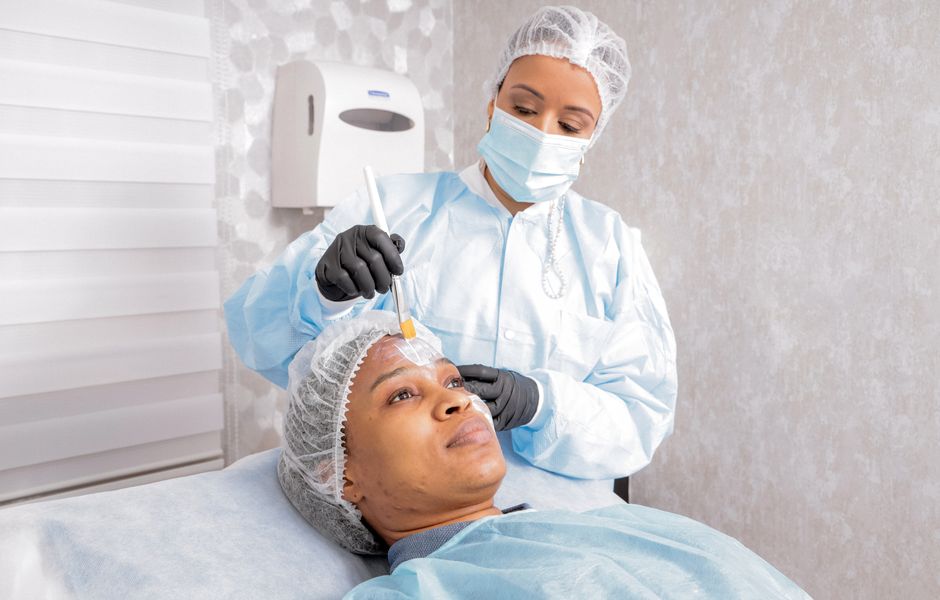
Unlike a primary procedure, revision surgery isn't about creating something new, but rather correcting or improving an existing result that you're unhappy with. This often means working with scar tissue, altered skin elasticity, and sometimes even a depleted supply of necessary materials like cartilage or fat, depending on what was done previously.
For example, if you're seeking a rhinoplasty revision, the surgeon might need to address issues like asymmetry, breathing problems, or an unnatural shape, potentially requiring grafts from other parts of your body. Eyelid revision could involve adjusting folds or correcting unevenness. The underlying principle is that the surgeon needs to understand not just the initial procedure, but also how your body reacted to it, and how to best improve the outcome without causing further complications. This detective work and advanced planning are what make revision cases so specialized.
Because of these complexities, revision surgeries typically require a longer operative time and often come with a more extended and sometimes more unpredictable recovery period. It’s also common for surgeons to use advanced imaging and diagnostic tools to thoroughly assess the current state of your tissues before planning the procedure. This is why thorough consultation is so critical, so your surgeon can fully explain the unique challenges of *your* specific case and what realistic outcomes you can expect.
Your Options: Common Approaches Compared
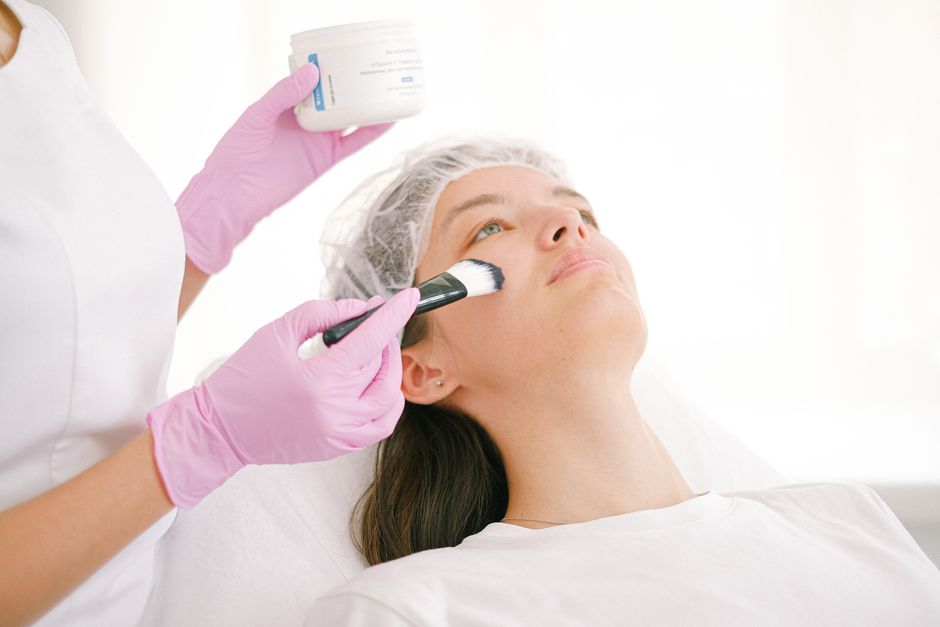
When it comes to revision surgery, there isn't a one-size-fits-all approach. The specific techniques a surgeon uses will depend heavily on the original procedure, what went wrong, and what you're hoping to achieve. You'll hear terms like 'open' or 'closed' for rhinoplasty, or different types of grafting, but the key is understanding that these are tools the surgeon uses to address a specific problem.
For example, in facial revisions, a surgeon might focus on scar tissue release, correcting asymmetry by adding or removing volume, or refining contours. Sometimes, a revision might involve a less invasive approach to fine-tune a small detail, while other times it might require a more extensive reconstructive effort. It's not just about repeating the same surgery; it's about strategizing how to best work with existing structures.
During your consultations, your potential surgeon should clearly explain the different approaches they might consider for your case, and more importantly, *why* they recommend a particular method. They should also detail the potential risks and limitations associated with each approach, especially in the context of a revision. You're looking for someone who doesn't just offer a solution, but explains the journey to that solution, acknowledging the unique challenges of your situation.
What to Expect: Consultation to Recovery Timeline

Preparing for revision surgery means understanding a realistic timeline, which is often longer than for a primary procedure. Your journey starts with thorough consultations, often requiring multiple in-person visits to the clinic. This isn't just a quick chat; it involves detailed examinations, sometimes 3D imaging, and in-depth discussions about your previous surgery and desired outcome. Plan for these consultations to take several days to a week before the actual surgery, as you might visit multiple clinics.
The surgery itself will typically be followed by an immediate recovery phase, usually a few days to a week, where you'll have bandages, swelling, and possibly discomfort. This is when you'll need to stay very close to your clinic for follow-up appointments. Unlike primary surgeries, initial healing can sometimes be slower or more unpredictable with revisions due to existing scar tissue. The initial swelling can also mask the final results for much longer.
For most revision surgeries, you should realistically plan to stay in Korea for a minimum of 2 to 4 weeks post-surgery. This extended stay allows for sufficient initial healing, removal of stitches (if applicable), and crucial early follow-up appointments with your surgeon. They'll want to monitor your progress and ensure you're on the right track before you travel back home. Full maturation of results can take anywhere from six months to two years, so patience is absolutely key.
Choosing a Clinic Safely: What to Look For and Red Flags to Avoid

This is arguably the most critical part of your journey, especially given your previous experience. Choosing the right clinic and surgeon for revision surgery requires extra diligence. You're not just looking for a good surgeon; you're looking for someone with proven expertise in correcting *previous* work.
First, prioritize board-certified plastic surgeons with extensive experience specifically in revision cases. Don't be afraid to ask for their exact qualifications, how many revision surgeries they perform annually, and their approach to complex cases. Look for clinics that emphasize patient safety, robust pre-operative assessments, and comprehensive post-operative care. A good clinic will invest in detailed diagnostics to fully understand your prior surgery and current anatomy.
Also, pay close attention to communication. You should feel completely comfortable asking every question on your mind, and the clinic staff (including interpreters, if you use one) should provide clear, understandable answers. Discuss their policies regarding potential complications, aftercare, and what support is available if issues arise after you've returned home. Transparency about potential outcomes and risks, especially for revision cases, is a sign of an ethical practice.
It's important to also look for clinics that have policies in place for managing patient expectations. Because revision surgery can have a more nuanced outcome, a reputable clinic will be upfront about what's realistically achievable and what might not be possible, rather than promising perfection. Your goal is to find a team that instills confidence through their professionalism, expertise, and transparent communication, not through overly optimistic claims.
Planning Your Trip: Recovery Stay and Travel Logistics

Since you'll need an extended stay in Seoul for revision surgery recovery, your accommodation choice becomes a crucial part of your healing journey. You'll want a place that offers comfort, privacy, and convenience, allowing you to rest and recover without stress. Think about quiet neighborhoods with easy access to your clinic and amenities like pharmacies and gentle food options, rather than bustling tourist hubs.
Most international patients opt for a service apartment or a hotel with kitchenette facilities. This allows you to prepare simple meals, which can be important for your diet during recovery, and gives you more space and a homely feel. Look for places with comfortable beds, good internet access (for staying connected with family and for entertainment during downtime), and perhaps a nearby park for short, gentle walks once your surgeon gives the OK.
In terms of travel logistics, book your flights with flexibility in mind, as your recovery progress might slightly alter your departure date. Consider travel insurance that specifically covers medical complications abroad, though this is often tricky for elective procedures and even more so for revisions – make sure you read the fine print very carefully. Remember to plan for airport transfers that prioritize your comfort post-surgery, perhaps a private car service, so you don't have to navigate public transport with swelling or discomfort. And don't forget to pack comfortable, loose-fitting clothing that won't irritate surgical areas, as well as any specific medications your surgeon recommends.
Final Thoughts
Embarking on the journey of revision surgery, especially after a less-than-ideal first experience, truly requires strength and resilience. My hope is that this guide helps you feel more informed and empowered as you navigate your options here in Korea. It's about finding a path forward that feels safe, transparent, and ultimately, right for you.
Remember to approach this with patience, do your homework, and prioritize clear communication above all else. Your well-being and peace of mind are what truly matter. Take your time, ask every question that comes to mind, and trust your instincts. I'm rooting for you.