
Skin Removal Surgery Korea: Honest Costs & Planning Guide
Losing a significant amount of weight, say 250 pounds or more, is an incredible achievement—a testament to your dedication and hard work. But often, this journey leaves behind a new challenge: excess skin that can impact comfort, hygiene, and body image. It’s a very personal decision to consider body contouring surgeries like body lifts, thigh lifts, arm lifts, and back lifts, and doing so in a foreign country like Korea adds another layer of complexity.
You're likely wondering about everything from the quality of care and the safety of the procedures to the total cost and logistics of recovery. It’s a huge undertaking, and it’s natural to feel overwhelmed. My goal here, as your Seoul-based editor, is to offer you a straightforward, honest guide to help you navigate these big questions, focusing on the practical details and what you truly need to know for planning a skin removal journey in Korea.
We'll dive into the real costs, how to pick a reputable clinic without falling for marketing hype, and what a realistic recovery timeline looks like when you're far from home. Because you deserve clarity and practical advice as you consider this next step in your health journey.
Why International Patients Consider Korea for Skin Removal Surgeries

Korea has built a strong reputation in the medical aesthetic field, and this extends to complex body contouring procedures like skin removal after significant weight loss. Many international patients are drawn here for a few key reasons. First, you'll find that Korean clinics often boast state-of-the-art facilities and cutting-edge technology, because there's a strong emphasis on medical innovation. Second, the sheer volume of procedures performed means many surgeons have extensive experience, which can be reassuring when you're looking at such a specialized field. Finally, while it's not always the cheapest option globally, many find the cost-to-quality ratio in Korea to be very competitive when compared to Western countries, especially for multiple procedures.
What Body, Thigh, Arm, & Back Lifts Actually Involve
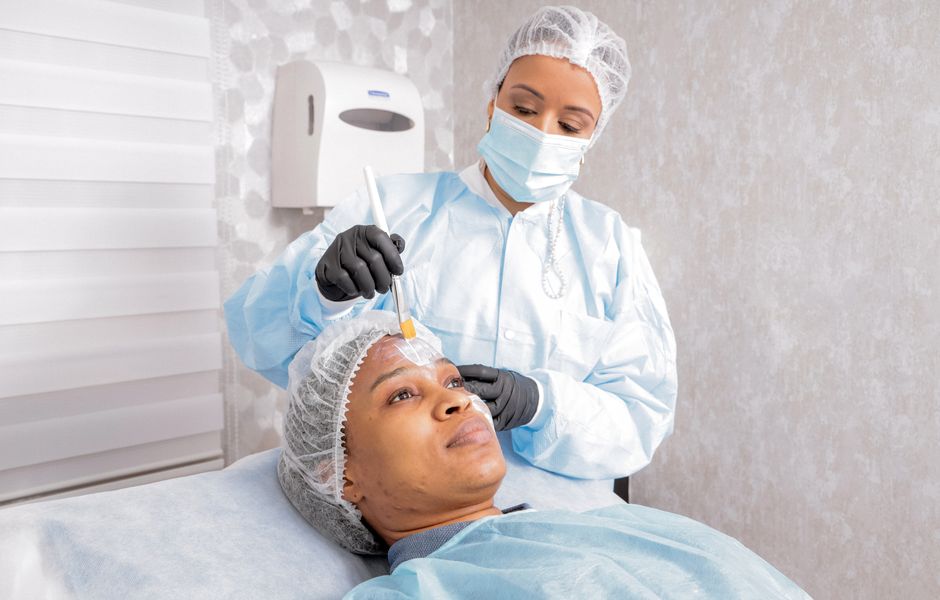
These procedures are collectively known as post-bariatric or massive weight loss body contouring. The primary goal is to remove excess skin and sometimes underlying fat, to reshape and firm up areas of the body. A 'body lift' usually refers to a lower body lift, addressing the abdomen, hips, buttocks, and outer thighs. A 'thigh lift' focuses on the inner or outer thighs, while an 'arm lift' (brachioplasty) targets loose skin on the upper arms. A 'back lift' specifically addresses skin folds on the upper or mid-back. Because you've lost substantial weight, these surgeries typically involve extensive incisions and removal of significant amounts of skin, which means they are major procedures requiring general anesthesia and a considerable recovery period. It’s crucial to understand that these aren't quick fixes; they are reconstructive surgeries aimed at improving function and contour after a life-changing weight loss.
Your Options: Common Approaches Compared

For skin removal, surgeons often tailor approaches to your specific needs. For example, a lower body lift might involve a circumferential incision around your midsection to lift and tighten the abdomen, hips, and buttocks. Thigh lifts can involve incisions along the inner thigh or near the groin, depending on the extent of skin laxity. Arm lifts typically use an incision along the inner arm from the armpit to the elbow. Back lifts might involve an incision across the upper or mid-back. Sometimes, liposuction is combined with these lifts to remove stubborn pockets of fat that remain. You'll find that some patients opt for a single, extensive surgery if their health allows, while others, particularly those with very large amounts of skin, might undergo these procedures in stages over several months or even a year. The staged approach is often recommended because it prioritizes safety and allows for proper recovery between major operations.
What to Expect: Consultation to Recovery Timeline

Your journey, should you choose Korea, will start long before you even board a plane. Initial consultations often happen remotely, where you'll share photos and medical history with potential clinics. This is where you really need to ask detailed questions about the surgeon's experience with massive weight loss patients. Once you arrive in Seoul, you'll have in-person consultations, pre-operative tests, and final discussions. The surgery itself will be a full day, followed by a hospital stay that can range from a few days to a week, depending on the extent of the procedure. For the first 1-2 weeks post-surgery, you'll be focused on managing pain, swelling, and movement. Drains might be in place, and you'll likely need help with daily tasks. By week 3-4, most patients can move around more independently, but heavy lifting and strenuous activity are off-limits for several months. Expect swelling to persist for weeks, even months. You'll need follow-up appointments for drain removal, wound checks, and general monitoring. Because you’re traveling from overseas, you must plan for an extended recovery stay in Korea—think at least 3 to 4 weeks total, and even longer if you are having multiple, extensive procedures. Leaving too early can risk complications, and frankly, you'll appreciate the extra time to heal in a controlled environment before a long flight home.
Choosing a Clinic Safely: What to Look For and Red Flags to Avoid

This is perhaps the most critical part of your planning, because your safety and results depend on it. When researching clinics, you want to focus on board-certified plastic surgeons with extensive experience specifically in post-bariatric body contouring. Don't just look for general plastic surgeons; look for those who specialize in massive weight loss cases, as the techniques and challenges are different. You should also check if the clinic has a robust aftercare program for international patients. Does it include remote follow-ups? What's their protocol for complications once you've returned home? Look for transparent communication from the start. You'll want detailed, itemized quotes and clear explanations of what's included and what isn't.
Now, for the red flags. Be wary of clinics that push you to book quickly or offer unusually low prices that seem too good to be true. If a clinic isn't transparent about potential risks, recovery, or even their surgeons' credentials, that's a big warning sign. Also, avoid places that promise 'perfect' results or use heavily photoshopped before-and-after pictures without disclaimers. Remember, honest clinics will focus on realistic outcomes and patient safety. Your due diligence here is your best defense against a bad experience.
Planning Your Trip: Recovery Stay and Travel Logistics

Once you've chosen a clinic, your next big task is planning your extended stay. Because you'll be recovering from major surgery, you'll want accommodation that's comfortable, quiet, and easily accessible from your clinic. Many patients opt for serviced apartments or hotels in areas like Gangnam or Apgujeong, which are common clinic districts. These areas offer convenience for follow-up appointments and have options for meal delivery services, which will be essential when you're not mobile. Plan for at least 3-4 weeks in Korea, possibly more if you're having multiple lifts, to ensure adequate healing before your long journey home. You'll also need to consider transportation—taxis or arranged clinic transport will be your go-to initially. Make sure you have a reliable way to communicate, like an eSIM or local SIM card, because you'll want to stay connected for emergencies and to manage daily needs.
Because you're coming from abroad, you might also want to look into medical tourism facilitators or interpreters. While many larger clinics have English-speaking staff, having a dedicated interpreter or coordinator can significantly ease the stress of navigating a foreign healthcare system, especially post-surgery when you might not be at your best. This is an added cost, but honestly, it can be invaluable for peace of mind. And remember to factor in travel insurance that specifically covers medical emergencies abroad and post-surgical complications, because standard travel insurance often has exclusions for elective procedures.
Final Thoughts
Embarking on the journey of skin removal surgery after massive weight loss is a brave and life-affirming decision. Doing it in Korea means you have unique opportunities for high-quality care, but it also comes with unique planning challenges. My hope is that this guide has given you a clearer, more honest picture of what to expect, from the financial commitment to the extensive recovery, and how to approach choosing a clinic safely. Remember, thorough research and realistic expectations are your best allies. Take your time, ask all the questions, and prioritize your health and safety above all else. You've already achieved so much, and this next step is about refining that incredible accomplishment.