
BBL & Lipo Korea: Revision Policies for Foreigners (2026)
Seoul has definitely become a global hub for aesthetic procedures, and for many international patients like you, the idea of undergoing liposuction or a Brazilian Butt Lift (BBL) here is incredibly appealing. You've probably seen amazing transformations online and heard about Korea's renowned medical expertise. It's an exciting prospect, picturing a new you and the journey to get there.
But let's be honest, dreaming of a new silhouette is one thing; navigating the realities of medical tourism, especially for complex procedures, is another. While Korea boasts excellent medical standards, it's really important to understand what happens *after* your surgery, particularly if unexpected issues like painful masses arise. This is where the practical side of planning truly comes in, beyond just choosing the procedure itself.
As your friend in Seoul, I want to walk you through the often-overlooked aspects of planning for liposuction or BBL in Korea. We'll talk about what to realistically expect, how to prepare for potential post-operative concerns like painful masses, and most importantly, how to understand clinic revision policies before you even book your flight. My goal is to give you the honest, patient-side information you need to make truly informed decisions, ensuring your journey is as safe and transparent as possible.
Why International Patients Consider Korea for BBL & Liposuction

It's no secret that Korea has carved out a significant reputation in the world of aesthetic medicine, drawing patients from all corners of the globe. You might be considering Korea for liposuction or BBL because you've heard about the advanced techniques employed here, the precision often associated with Korean surgeons, and the overall emphasis on natural-looking, refined results. Many clinics invest heavily in cutting-edge technology, which can offer patients a wider range of options and potentially more efficient procedures. Korea is also at the forefront of medical innovation, often being among the first to adopt and refine new approaches in aesthetic surgery. The sheer volume of procedures performed also means surgeons often have extensive experience, which is a major draw for you when you're looking for someone skilled. This combination of expertise, technology, and a reputation for excellent outcomes is a powerful magnet, and it's easy to see why so many people choose Korea for their body contouring goals. According to the Korea Health Industry Development Institute (https://www.khidi.or.kr), medical tourism in Korea continues to attract a significant number of international patients each year, reflecting confidence in its medical services.
What BBL & Liposuction Actually Involves
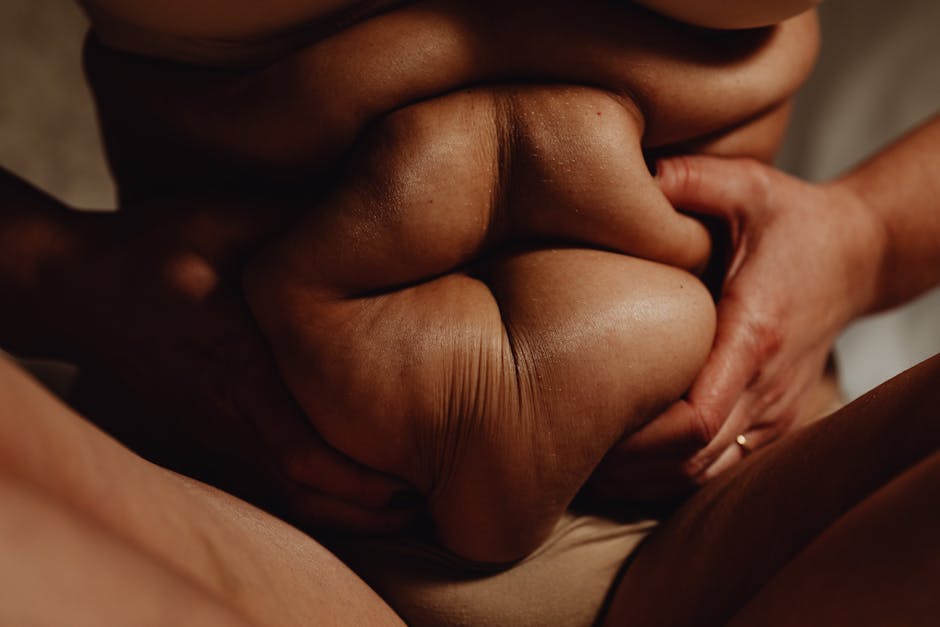
Let's quickly touch on what these procedures are, just so we're on the same page. Liposuction is a body contouring procedure designed to remove localized pockets of stubborn fat that resist diet and exercise. It typically involves making small incisions, injecting a tumescent solution (a mix of saline, lidocaine, and epinephrine) to numb the area and minimize bleeding, and then using a cannula to suction out the fat. Common areas for liposuction include the abdomen, flanks, thighs, arms, and back. The goal is usually to sculpt and refine your natural contours.
A Brazilian Butt Lift (BBL), on the other hand, is a fat transfer procedure that enhances the size and shape of the buttocks. It starts with liposuction to harvest fat from one or more areas of your body (often the abdomen, flanks, or thighs). This harvested fat is then purified, and a portion of it is strategically reinjected into the buttocks to create a fuller, more rounded, and lifted appearance. The key here is using your own body fat, which reduces the risk of allergic reactions compared to implants. Both procedures aim to give you a more harmonious body shape, but they do involve significant surgical intervention and a commitment to recovery.
Potential Post-Procedure Concerns: Focusing on Painful Masses

Now, this is where we get into some of the more practical, and sometimes challenging, realities of post-surgical recovery. While a smooth recovery is always the goal, it's important for you to be aware that complications can happen, and one common concern after liposuction or BBL can be the development of painful masses or lumps. Understanding what these might be and why they occur can help you manage your expectations and know when to seek medical advice.
Several factors can contribute to these masses:
Seromas: These are collections of clear fluid that can accumulate under the skin in areas where tissue has been removed or disrupted. They're usually soft to the touch, but can become firm and painful if they grow large or get infected. Seromas are a common complication after liposuction, especially in larger treatment areas.
Fat Necrosis: After a BBL, some of the transferred fat cells may not survive the transfer process. When fat cells die, they can harden and form palpable, sometimes painful, lumps. This is a relatively common occurrence and can range from small, undetectable areas to larger, firmer nodules.
Fibrosis: This refers to the thickening and scarring of connective tissue, which can feel hard and lumpy. It's a natural part of the healing process, but sometimes it can be excessive, leading to persistent firmness, unevenness, and discomfort. Post-liposuction fibrosis can be managed with massage and other therapies, but in some cases, it might require further intervention.
Bruising and Swelling: Immediately after surgery, significant bruising and swelling are normal and can make areas feel hard and tender. This typically resolves over several weeks to months, but sometimes residual swelling or hematomas (collections of blood) can persist and feel like lumps. It's crucial for you to differentiate between normal post-op healing and potential complications, which is why clear communication with your clinic is vital.
The Crucial Question: Clinic Revision Policies for International Patients

This is perhaps one of the most critical, yet often overlooked, aspects of planning medical tourism for procedures like BBL and liposuction: understanding clinic revision policies, especially as an international patient. You see, when you're flying in from another country, the logistics of follow-up care and potential revisions become much more complicated than for a local patient.
Most clinics will offer some form of revision policy, but the devil is truly in the details. You absolutely need to ask specific questions about what constitutes a 'revision,' what is covered, and under what circumstances. For instance, is a minor asymmetry considered a 'touch-up' covered by the initial fee, or is it a 'revision' that incurs additional charges? What if you develop a painful mass like fat necrosis – is its removal covered, or is it considered a new procedure?
Clinic policies often differentiate between revisions needed due to surgical complications (e.g., severe asymmetry, contour irregularities that are clearly technique-related) and those due to patient-related factors (e.g., significant weight fluctuations after BBL affecting fat survival, or if you simply desire a different aesthetic outcome). The terms, conditions, and timeframes for these policies can vary wildly between clinics. Some might offer a 'free' revision within a certain period (e.g., 6-12 months) for certain complications, but you'll likely still be responsible for anesthesia, facility fees, and of course, your travel and accommodation costs. This is why you must get these details in writing before you commit. The Ministry of Health and Welfare (http://www.mohw.go.kr/eng) often provides guidelines related to patient rights and medical service standards, which can be helpful for understanding the general framework, but specific clinic policies are paramount.
Choosing a Clinic Safely: Beyond the Price Tag

When you're trying to choose a clinic for something as significant as BBL or liposuction, it's easy to get caught up in comparing 'before and after' photos or looking for the lowest price. But as your Seoul friend, I urge you to look beyond that, especially when it comes to revision policies. Your safety and satisfaction are worth more than a discount.
Here's what you should be looking for:
Board Certification and Experience: Verify that the surgeon is a board-certified plastic surgeon. In Korea, you can often check credentials through organizations like the Korean Society for Aesthetic Plastic Surgery (https://www.ksaps.or.kr). Experience with international patients is also a plus, as it indicates familiarity with cross-cultural communication and follow-up challenges.
Comprehensive Consultations: A good clinic will offer a thorough consultation, discussing your goals, assessing your suitability for the procedure, and outlining potential risks and complications – including those painful masses we talked about. They should also provide a clear, itemized quote.
Clear Communication on Revision Policies: This is non-negotiable. During your consultation, ask direct questions about their revision policy for international patients. What specific complications are covered? What is the timeframe? What costs will you be responsible for (e.g., anesthesia, facility fees, your own travel)? Get this in writing as part of your treatment plan.
Interpreter Services: Language barriers can be a huge hurdle, especially if you need to discuss a complication. Ensure the clinic provides professional interpretation services, not just a staff member who speaks some English. Clear communication is key to your safety and understanding.
Red Flags to Avoid:
High-Pressure Sales Tactics: If you feel pressured to book immediately or upgrade to a more expensive procedure, take a step back. A reputable clinic will give you time to consider.
Opaque Pricing: If the initial quote feels too good to be true or doesn't break down all costs (including anesthesia, aftercare, potential revision fees), be wary. Hidden costs are a common pitfall.
Lack of Clear Post-Op Plan: If the clinic doesn't provide detailed post-operative instructions, follow-up schedules, or a clear channel for communication after you return home, that's a major concern. You need to know you'll be supported.
Planning Your Trip: Recovery Stay and Travel Logistics

Okay, so you've done your due diligence, chosen a clinic, and now it's time to think about the practicalities of your stay. For BBL and liposuction, you'll want to plan for a significant recovery period in Korea, usually between 10-14 days, possibly longer if you anticipate any potential complications or if your clinic advises extended monitoring. This isn't just about healing; it's about being close to your medical team for initial follow-up appointments.
Accommodation: Choosing the right place to stay is crucial for a comfortable recovery. You'll want a hotel or serviced apartment that's clean, quiet, and ideally located close to your clinic to minimize travel discomfort for post-op visits. Look for places with comfortable bedding (you might need to sleep on your stomach or side after BBL), easy access to food delivery services, and perhaps a small kitchen so you can prepare light meals. Many patients find that staying in areas like Gangnam or Apgujeong is convenient, as these districts host many aesthetic clinics and have excellent amenities. Remember, you're not going to be sightseeing much during the initial recovery, so comfort and convenience are your top priorities.
Travel Logistics: Plan your flights carefully. You'll want direct flights if possible, and definitely avoid long layovers. Consider booking a flexible ticket in case you need to extend your stay for unexpected reasons. For ground transportation from Incheon International Airport (ICN) to your accommodation, a pre-booked airport transfer is often the most comfortable and stress-free option, especially post-surgery when you'll be feeling sore. During your recovery, taxis or ride-sharing apps will be your best friends for short trips to the clinic or nearby pharmacies.
Follow-Up: Before you leave Korea, ensure you have a clear plan for follow-up care. What are the instructions for continuing care at home? How should you contact the clinic if issues arise after you've returned? Knowing these answers upfront will give you peace of mind.
Final Thoughts
Planning for BBL or liposuction in Korea is a big decision, and it’s one that truly benefits from a practical, honest approach. By understanding not just the potential benefits, but also the realistic risks and the crucial details of revision policies, you're empowering yourself to make the best choices for your health and well-being. Don't let the excitement overshadow the importance of thorough preparation.
Remember, your journey doesn't end when you leave the operating room; it's a marathon, not a sprint. Take the time to ask those difficult questions, get everything in writing, and plan for every eventuality, even the challenging ones. That way, you can approach your aesthetic journey with confidence and peace of mind, knowing you've considered all angles. I wish you the very best in your planning and recovery!