
K-Beauty Skincare Guide: Dryness, Acne, PIE & Redness
If you've spent any time browsing K-beauty routines online, you've probably noticed something: the same product rarely works the same way for everyone. Skin that's parched and flaky in one climate turns oily and breakout-prone in another, and if you're dealing with dryness, acne, post-inflammatory erythema (PIE), or persistent redness, generic 10-step-routine advice can do more harm than good.
This guide breaks things down by concern instead of by step count, so you can actually find products that match what your skin is doing right now. We'll walk through why Seoul's climate plays a bigger role than most routines admit, which ingredients are worth seeking out for each concern, and where you can shop for them once you're on the ground.
One honest note before we start: no product on this list is a miracle fix, and if you're dealing with persistent acne, PIE, or redness that isn't improving, that's a conversation for a dermatologist, not a serum. Think of this as a well-researched starting point, not a substitute for professional care.
Why Your Skin Might Act Up in Seoul
Before you even get to product names, it helps to understand why your skin might behave differently here than it does at home. Seoul's air is genuinely drier in winter than most Western European or coastal North American cities, and low humidity pulls moisture out of skin faster than it can replace it, which is a big part of why dryness complaints spike in the colder months.
Then there's fine dust. Seoul's air quality, including PM10 and PM2.5 fine dust levels, is tracked in real time by AirKorea, run by the Korea Environment Corporation (https://www.airkorea.or.kr), and on higher-pollution days, particulates can settle into pores and aggravate acne-prone or reactive skin.
Add in a UV index that climbs sharply from late spring through summer, as monitored by the Korea Meteorological Administration (https://www.kma.go.kr), and you've got three separate stressors that can each worsen dryness, breakouts, or redness on their own. Layered together, they explain why a routine that worked fine back home might suddenly feel like it's not enough.
Tackling Dryness: What Actually Helps
If dryness is your main concern, look for two ingredient families first: humectants like hyaluronic acid and glycerin, which pull water into the skin, and ceramides, which help rebuild the barrier that keeps that water from evaporating back out. The reason both matter together is that hydration without barrier support tends to evaporate within hours, especially in a dry, heated indoor environment.
Korean formulations are required to list every ingredient on the label under Ministry of Food and Drug Safety cosmetic regulations (https://www.mfds.go.kr), which makes it straightforward to scan for ceramide, panthenol, or squalane near the top of an ingredient list rather than buried near the bottom.
You'll also want to layer thin-to-thick: a hydrating toner first, then a ceramide-based cream, then, if you're outside for long stretches, an occlusive like a facial oil sealed on top. Skipping that sealing step is one of the more common reasons a genuinely good moisturizer still leaves skin feeling tight by afternoon.
Acne & Breakouts: Ingredients Worth Seeking Out
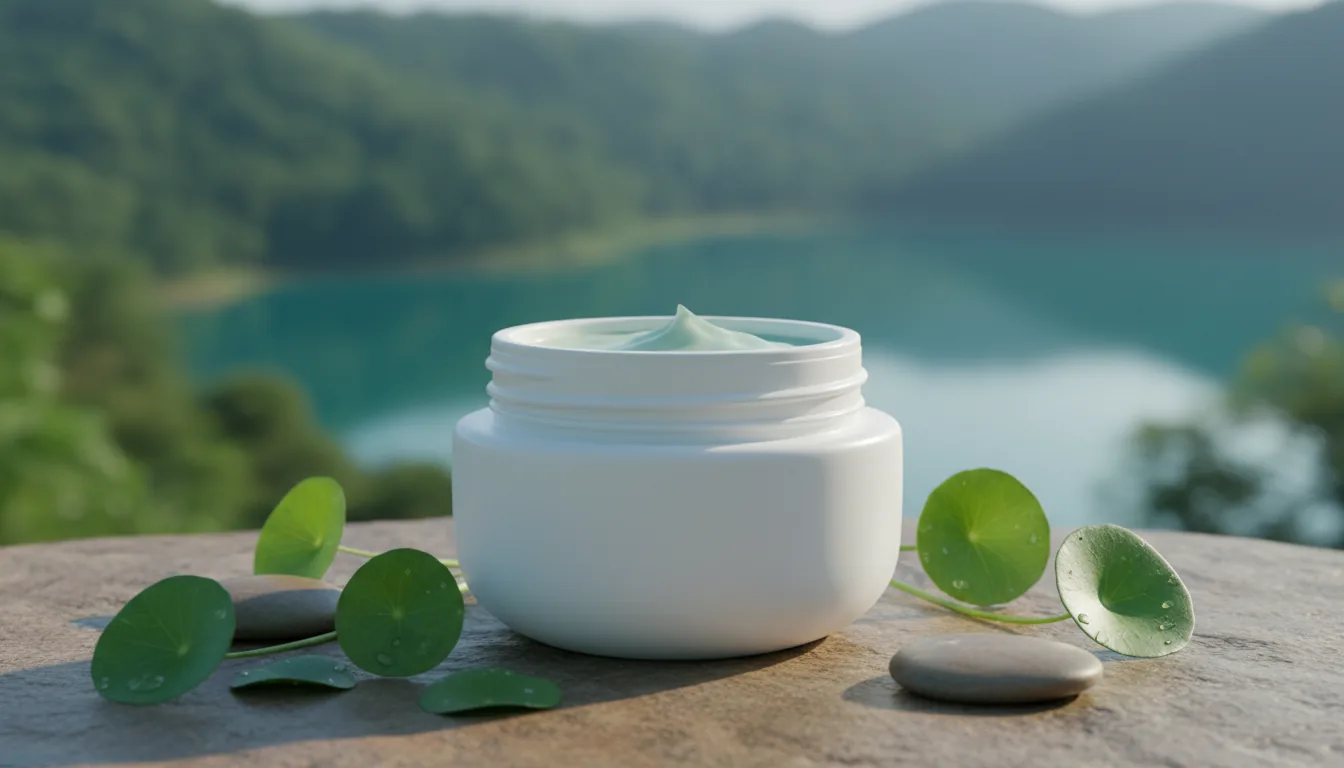
For acne and breakouts, the instinct is often to reach for the strongest, most drying product on the shelf, but that approach tends to backfire by damaging the same barrier you need intact to heal. A gentler combination usually works better: a low-percentage BHA (salicylic acid) to clear pore congestion, paired with centella asiatica, commonly labeled cica, to calm the inflammation that comes with active breakouts.
The reason cica shows up in almost every Korean acne-focused line is that it's soothing without being occlusive, so it calms redness and irritation without clogging pores in the process. Tea tree extract is another common addition, used specifically for targeting blemish-prone areas without the harsh drying effect of stronger acids.
Whatever combination you land on, introduce actives one at a time. If you add a new BHA serum and a new retinol product in the same week, you won't be able to tell which one is causing irritation if your skin reacts.
Post-Inflammatory Erythema (PIE) & Redness: Calming What's Already There
PIE, the lingering pink or red marks left behind after a blemish heals, responds differently than active acne, so it needs its own approach. Niacinamide is the ingredient most consistently recommended here, since it works on strengthening the skin barrier while also helping even out the look of leftover discoloration over time.
The single most important habit for PIE and general redness, though, isn't a product at all — it's sun protection. UV exposure darkens and prolongs post-inflammatory marks, and given how sharply Seoul's UV index rises from late spring onward according to Korea Meteorological Administration data (https://www.kma.go.kr), skipping sunscreen on a sightseeing-heavy day can undo weeks of calming work.
Look for a broad-spectrum SPF 50 formula and reapply every couple of hours if you're outside, especially around midday. Mineral and chemical filters are both common in Korean sunscreens, so if you're sensitive, checking the ingredient list before you buy is worth the extra minute.
Where to Shop Smart Once You're in Seoul
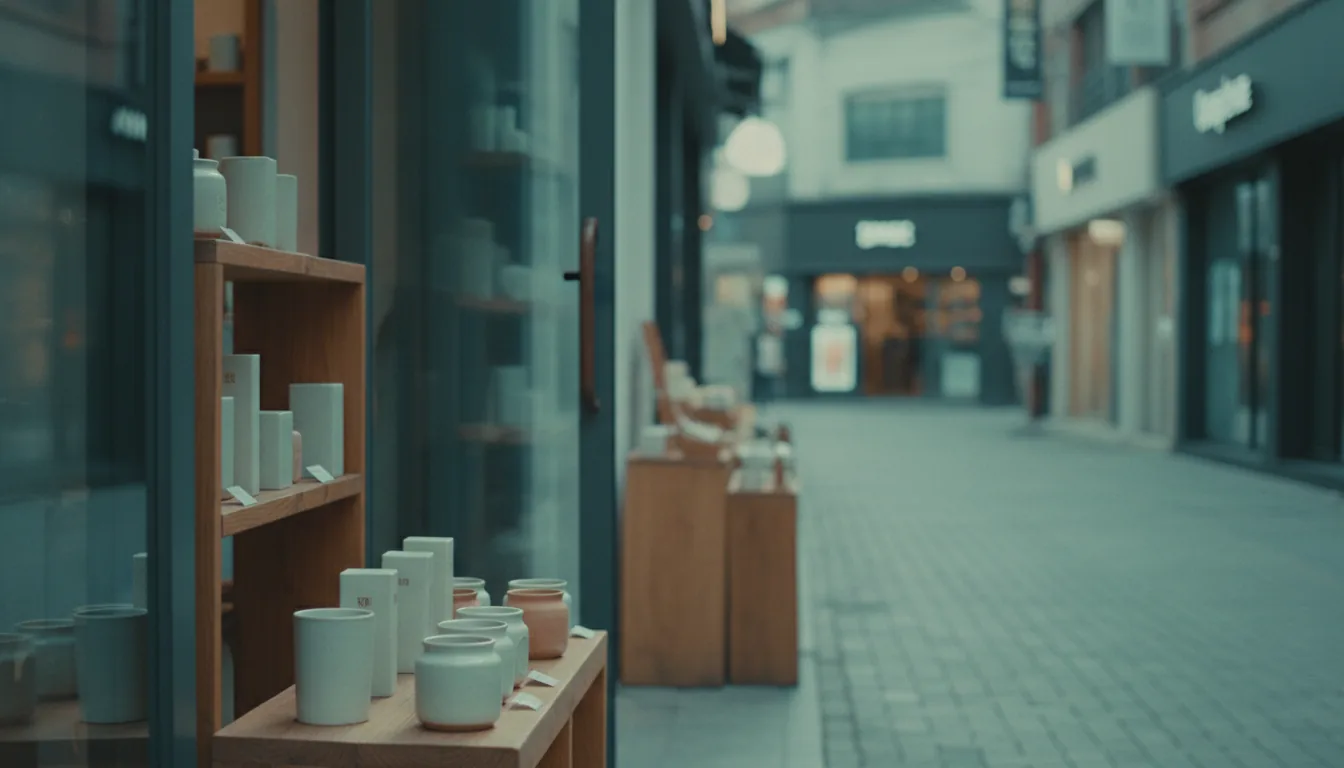
Once you know what you're looking for, Seoul makes it easy to shop by concern rather than by hype. Olive Young's flagship stores, especially the multi-floor locations in Myeongdong and Gangnam, group products by skin concern and stock tester units so you can check texture and scent before committing.
If the sheer size of those stores feels overwhelming on a first visit, a guided K-beauty shopping walk, the kind you can book through Klook or Trazy, pairs well with a first Seoul trip, since a local guide can steer you toward the ingredient aisles that match dryness, acne, or redness instead of the tourist-facing shelves near the entrance. It's a practical add-on if you'd rather spend your limited time testing products than hunting for them.
This post includes affiliate links, including through Klook and Trazy; if you book through them, HealthTravelLab may earn a small commission at no extra cost to you.
Final Thoughts
Skincare in Seoul works best when you treat it the way locals do: matched to what your skin is actually dealing with, not to whichever routine is trending that week. Start with one or two products for your main concern, give your skin a couple of weeks before judging results, and keep sunscreen non-negotiable no matter which concern you're treating.
If you try nothing else from this guide, let it be this: your skin doesn't need more products, it needs the right handful, chosen for dryness, acne, PIE, or redness specifically.