
K-Beauty Bottle Broke? What To Do (Safety Guide)
So you finally got your hands on that glass ampoule everyone in your feed keeps talking about, wrapped it in a sweater for safekeeping, and zipped it into your suitcase — and now there's a suspicious wet patch spreading across your clothes. If that's you right now, take a breath. It happens more often than most K-beauty shopping guides admit, and it's fixable.
Korean skincare is known for glass droppers, heavy ampoule bottles, and minimalist packaging that looks beautiful on a shelf but wasn't built for cabin pressure changes, temperature swings, or a hard-shell suitcase getting tossed around a baggage carousel. You haven't done anything wrong here; the packaging simply wasn't designed with a 14-hour flight in mind.
Here's exactly what to do in the first few minutes after a bottle breaks, how to pack so it doesn't happen again, what the actual airport liquid rules are, and where in Seoul you can restock safely before you head home.
Why K-Beauty Bottles Crack or Leak in the First Place
Glass packaging is a design choice, not a safety flaw — brands use it because glass doesn't react with active ingredients the way some plastics can, and it photographs beautifully. But glass is heavy, rigid, and unforgiving under pressure.
Here's the why: cabin and cargo holds are pressurized differently than sea level, so a fully sealed glass bottle can experience enough internal pressure change during ascent and descent to loosen a cap or crack a seam. Add a checked bag getting dropped or compressed, and thin glass droppers are often the first casualty.
Cosmetics sold in Korea do have to meet national safety and labeling standards set by the Ministry of Food and Drug Safety (https://www.mfds.go.kr), but that regulation covers ingredient safety and labeling, not how well a bottle survives your suitcase. Packaging durability is entirely up to the brand, which is why some of the most photogenic K-beauty bottles are also the most fragile travelers.
The First Five Minutes: What to Do When It Breaks
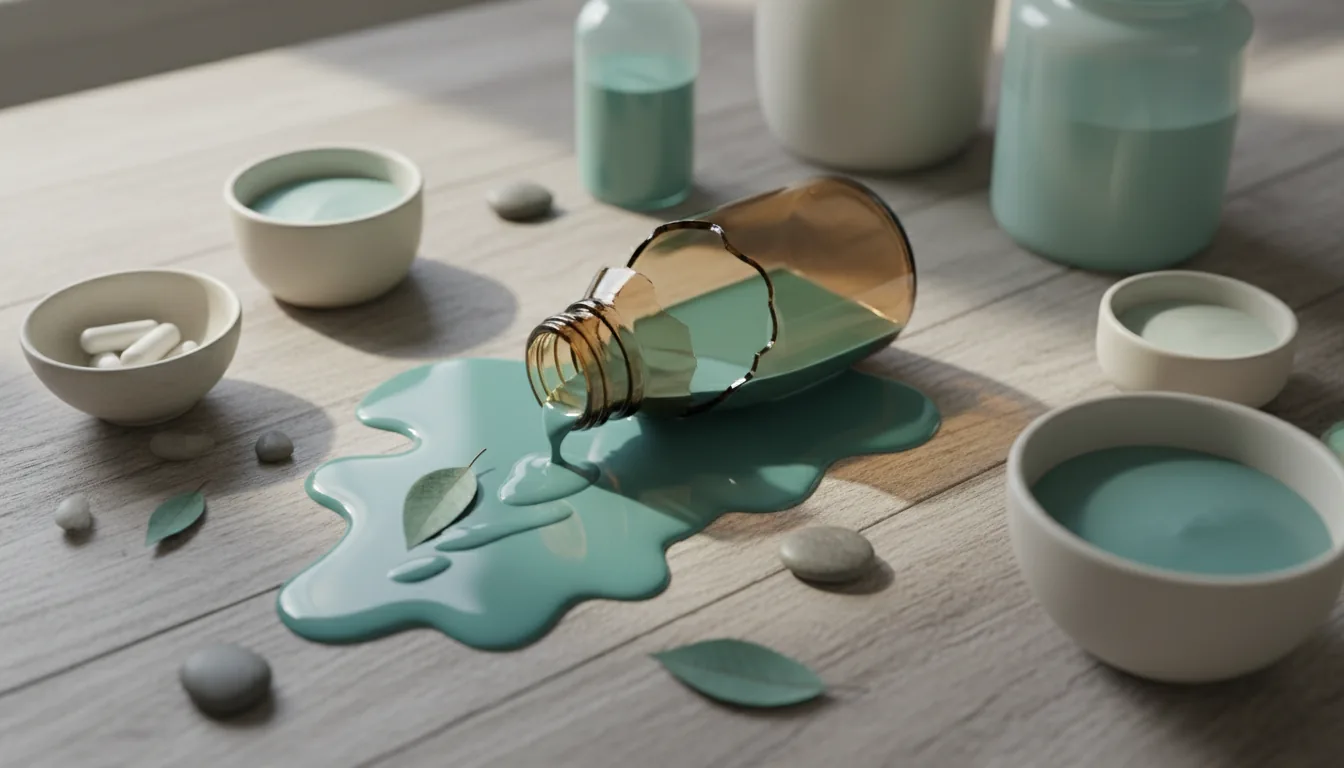
First, move everything else away from the spill before it soaks into fabric or electronics. Product with active ingredients like acids or retinol can stain and, in some cases, irritate skin on prolonged contact, so you want distance first, cleanup second.
Next, protect your hands. Use a tissue, a plastic bag turned inside out, or gloves if you have them — never pick up broken glass with bare fingers. Collect the shards into a sealed container or a doubled-up ziplock bag before you throw anything away, so nothing pokes through a hotel or airplane trash bag later.
If you want to try to salvage what's left, check the ingredient list first. A cracked bottle that's still capped and clean is usually fine to keep; one that mixed with something else in your bag is not worth the risk — when in doubt, toss it.
Packing Smart So It Doesn't Happen Again
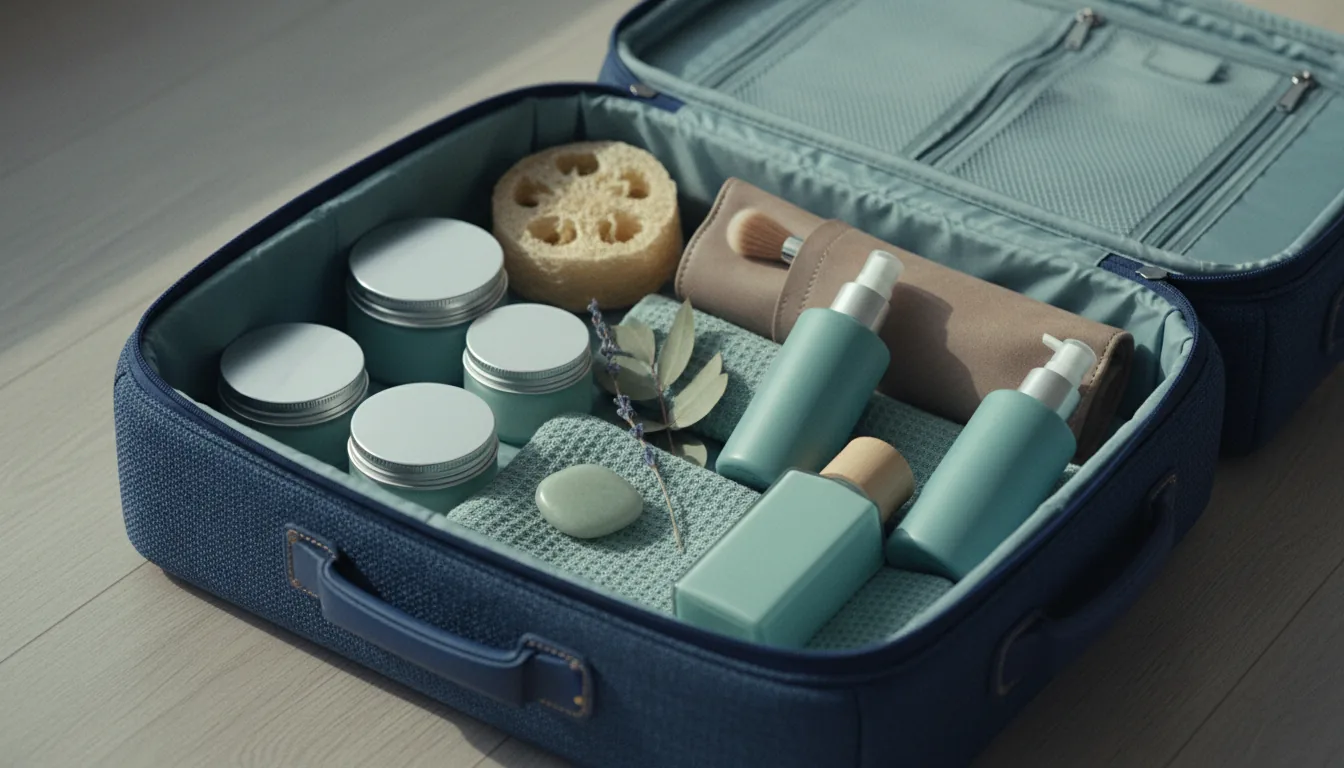
The simplest fix is decanting. Move your favorite serums and essences into smaller travel-size containers before you leave home or before you leave Seoul, so you're not carrying full-size glass at all.
If you're bringing full-size bottles back as gifts or because you can't resist the packaging, wrap each one individually in a resealable bag, then in a sock or bubble pouch, and pack it toward the center of your suitcase where it's cushioned by clothing rather than pressed against the hard shell.
It also matters where you pack it. Anything glass and liquid is generally safer in checked luggage than carry-on, since checked bags aren't subject to the same liquid-volume restrictions — more on that next — but they do get handled more roughly, so cushioning is non-negotiable either way.
Airport Liquid Rules You Actually Need to Know
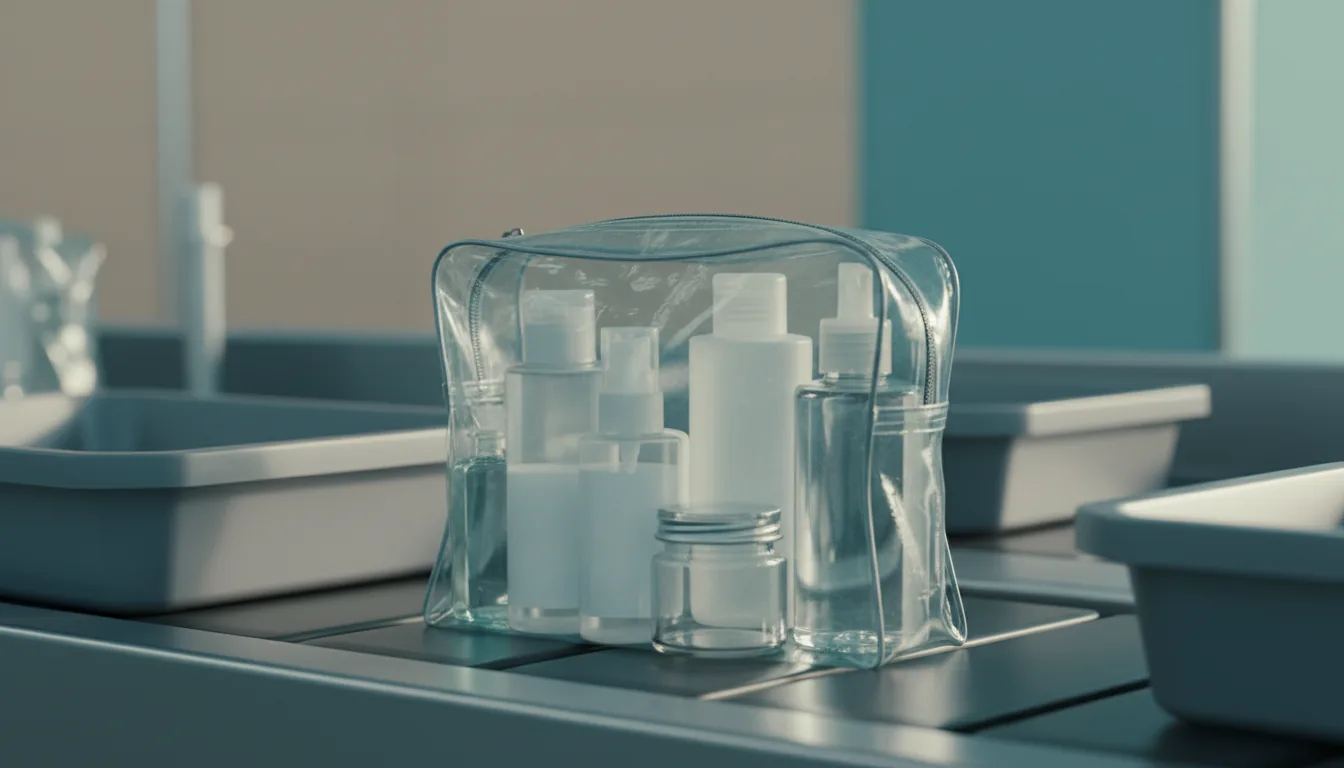
If you're flying home to the United States, the Transportation Security Administration's 3-1-1 rule applies: liquids in carry-on bags must be in containers of 100 ml (3.4 oz) or less, and all of them need to fit into a single quart-size bag per traveler (https://www.tsa.gov). A full-size K-beauty essence almost never meets that limit, which is another reason checked luggage is often the better call for anything larger.
International flights connecting through Incheon follow similar liquid restrictions for security screening, and Incheon International Airport publishes its own security guidance for passengers making connections (https://www.airport.kr). If you're transiting through a second airport on your way home, check that airport's specific carry-on liquid allowance too, since rules vary slightly by country.
If a Broken Bottle Touches Your Skin
If product from a broken bottle gets on your skin unexpectedly, the general safety step is straightforward: rinse the area with water and stop using anything else on that spot until it settles. This is basic first-aid practice, not a claim about what any specific product does or doesn't do.
Pay attention to how your skin reacts over the next few hours, especially if the leaked product mixed with something else, since combining actives you weren't intending to combine is when irritation is most likely. If you notice redness, stinging that doesn't fade, or any concerning reaction, stop use and consult a pharmacist or dermatologist rather than guessing.
If you ever have concerns about a product's safety or want to report a defective bottle, the Korea Consumer Agency handles consumer product safety complaints (https://www.kca.go.kr), and ingredient information for cosmetics sold in Korea is searchable through the Ministry of Food and Drug Safety (https://www.mfds.go.kr).
Where to Restock Safely in Seoul
Once the immediate mess is sorted, you'll probably still want to replace what you lost. Myeongdong and Hongdae both have dense clusters of Olive Young stores and K-beauty flagship shops where you can pick up travel sizes instead of full bottles for the rest of your trip — smaller containers mean less to lose if it happens again.
Ask staff for sample sachets or mini sizes of anything you're unsure about before committing to a full-size bottle; most stores keep a stack of these at the counter specifically for travelers. It's also worth keeping your receipt, since some stores can process a return or exchange if a bottle arrived from the shelf already damaged.
Final Thoughts
A cracked bottle is annoying, not a disaster — a spare ziplock bag, a little patience, and knowing which stores to trust will get you through it. Treat it as one small hiccup in an otherwise great skincare haul, clean up, restock smart, and get back to enjoying Seoul.
You deserve a trip where the biggest packing worry is finding room for everything you want to bring home, not cleaning up a spill at 30,000 feet.