
Medical Treatment in Korea: An Honest Planning Guide 2026
Thinking about coming to Korea for medical treatment? You're not alone! Korea has truly earned its reputation as a global hub for many specialties, attracting patients from all corners of the world. It’s an exciting prospect, promising cutting-edge technology and skilled professionals.
But let's be honest: planning such a significant journey, especially when your health is involved, can feel overwhelming. You might be wondering about everything from language barriers and payment methods to what happens once you're back home. This isn't just another travel guide; it's a no-nonsense look at what you really need to know.
As Haeun, your Seoul friend, I want to give you the practical, honest insights you need to make informed decisions. We'll explore the real costs, how to choose safely, and what foreign patient services truly entail, so you can plan your medical trip to Korea with confidence.
Why International Patients Consider Korea for Medical Treatment

It's no secret that Korea has become a leading destination for medical tourism, and there are some really compelling reasons why you might be considering it too. Firstly, Korea is known for its advanced medical technology and infrastructure. Many clinics and hospitals here boast state-of-the-art equipment and adopt the latest techniques, particularly in fields like dermatology, plastic surgery, and even some specialized diagnostics. This often means quicker, more precise procedures and potentially better outcomes, which is a huge draw for anyone seeking treatment.
Beyond technology, the expertise of Korean medical professionals is a significant factor. Doctors here often undergo rigorous training and have extensive experience, especially in high-demand fields, due to the high volume of patients. Plus, the overall efficiency of the medical system here is remarkable – you might find that consultations, tests, and even procedures can be scheduled and completed in a much shorter timeframe compared to what you're used to back home. This efficiency is appealing because it means less time away from your life and a smoother patient journey. You’re not just choosing a procedure; you’re choosing a system designed for effectiveness.
What a Medical Journey in Korea Actually Involves: From Inquiry to Post-Op
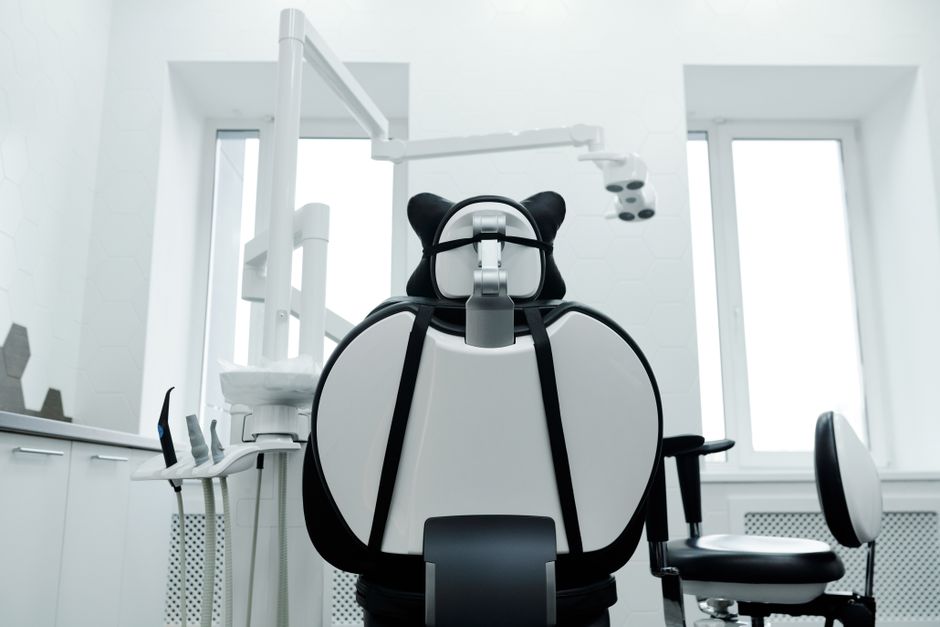
So, what does the entire process look like when you're planning medical treatment here? It usually starts with an initial inquiry, which you'll typically send via email or an online form through a clinic's international patient services department or a third-party facilitator. You'll generally be asked to provide some basic medical history, photos (if relevant to your procedure), and specify what you're hoping to achieve. This helps the clinic determine preliminary eligibility and provide a rough estimate.
Next, you'll move to a more detailed virtual consultation, often via video call. This is where you'll discuss your specific needs with a doctor or a patient coordinator. This stage is crucial because it helps you understand the proposed treatment plan, potential risks, and expected outcomes. Once you decide to proceed, you'll receive a concrete treatment plan and a detailed quotation. Upon arrival in Korea, you'll have an in-person consultation, usually followed by pre-operative tests (blood work, imaging, etc.). The procedure itself will take place a day or two after these checks, depending on the treatment. Afterward, you'll enter the recovery phase, which involves follow-up appointments, wound care, and monitoring before you're cleared to fly home. It's a structured path designed to guide you every step of the way.
Navigating Language & Communication: Getting Understood in Korea

One of the biggest concerns for international patients, and understandably so, is the language barrier. You want to be absolutely sure that you and your medical team are on the same page, especially when discussing important health matters. The good news is that many clinics catering to international patients in Seoul, especially in areas like Gangnam, have dedicated international patient services teams. These teams often include English-speaking coordinators, nurses, and sometimes even in-house interpreters for various languages.
When you're researching clinics, you should explicitly ask about their language support. Will you have a dedicated interpreter for all your appointments? Is there always someone available who speaks your language, or will you rely on staff who have basic English skills? It's important to differentiate. While many staff might speak some English, having a professional medical interpreter ensures accuracy and nuance in communication, which is vital. Some clinics also use translation apps or devices, but for critical discussions, nothing beats a human interpreter. Don't hesitate to ask for a pre-call with the interpreter if it makes you feel more comfortable. Clear communication isn't a luxury; it's a necessity for your safety and peace of mind.
Understanding Payments & Financial Transparency: The Real Cost of Treatment

Let's talk about money, because this is often where the biggest surprises can lie. When you receive a quote from a Korean clinic, it's crucial to understand exactly what's included and, perhaps more importantly, what isn't. The headline price for a procedure might look attractive, but it rarely covers the full spectrum of costs involved in your medical journey. You need to account for consultation fees, pre-operative tests, anesthesia, facility fees, post-operative medication, specialized recovery treatments (like swelling management or lymphatic massages), and follow-up visits. Sometimes, even basic supplies like bandages or special garments might be extra.
Payment typically happens upfront or in installments before the procedure. Most clinics accept major credit cards and wire transfers. When you're comparing quotes, don't just look at the bottom line. Ask for a truly itemized breakdown. Why? Because clinics might bundle services differently. One clinic's quote might include 3 post-op check-ups and all necessary medications, while another's might just cover the surgery itself, leaving you to pay for everything else. This is where comparing apples to apples becomes tricky, but it's essential for avoiding unexpected expenses. Being proactive in asking for clarity on all potential charges will save you stress and money in the long run.
Choosing a Clinic Safely: Your Due Diligence Checklist

When you're trying to choose a clinic in Korea, it can feel like navigating a maze, especially with so much information available. My best advice to you is to approach this with a critical eye and a strong sense of self-advocacy. First, look for accreditation. In Korea, the Ministry of Health and Welfare certifies hospitals that meet specific standards for international patient care. While not mandatory for all clinics, it's a good indicator of a commitment to quality and patient safety. You can usually find this information on a clinic's website.
Next, thoroughly research the doctors. Look into their specializations, experience, and certifications. Many clinics will highlight their doctors' qualifications on their English websites. Pay attention to how the clinic handles pre-consultation questions. Do they provide clear, comprehensive answers? Do they seem genuinely interested in your case, or do you feel like they're rushing you? A transparent clinic will be happy to answer all your questions and provide detailed information without pressure. You want a clinic that prioritizes patient education and safety over quick bookings. Remember, this is your health; you have every right to be thorough.
Finally, ask about their aftercare policy, especially for international patients. What kind of remote support do they offer once you've returned home? What are their protocols for complications or revisions? A reputable clinic will have clear, realistic answers for these critical questions, not vague promises. Your due diligence here is your best defense against potential issues.
Planning Your Trip: Recovery Stay and Travel Logistics

Beyond the procedure itself, a huge part of your medical trip to Korea is the recovery period, and this requires careful planning for your accommodation and travel logistics. You won't want to fly home immediately after a procedure; most treatments require a recovery period of at least 7-14 days in Korea for follow-ups and initial healing. Because of this, where you stay matters significantly for your comfort and recovery.
When choosing accommodation, think about proximity to your clinic. Areas like Gangnam, Apgujeong, and Sinsa are popular for medical tourism and offer a range of hotels, serviced apartments, and guesthouses. Serviced apartments are often a great option because they offer kitchenettes, which can be helpful if you need to prepare bland meals or store medications. Look for places with comfortable beds, quiet environments, and perhaps even concierge services that can assist with simple tasks like ordering food delivery or finding local pharmacies. You'll want a space that feels like a calm sanctuary where you can truly rest.
Regarding other logistics, consider an eSIM or local SIM card immediately upon arrival for easy communication. Plan your transportation – public transport in Seoul is excellent, but for the first few days post-procedure, taxis or ride-hailing services might be more comfortable. Arrange for airport pick-up and drop-off, especially if you'll be traveling with limited mobility. Remember, you're not just a tourist; you're a patient focusing on recovery, so prioritize comfort and convenience in your planning. This is where a good stay can make all the difference for your healing process.
Post-Procedure and Aftercare: What Happens After You Leave Korea?

Your medical journey doesn't end the moment you leave the clinic after your final check-up. Especially as an international patient, you need to understand the aftercare process, both while you're still in Korea and once you've returned home. Before you depart, ensure you receive detailed instructions for at-home care, including wound management, medication schedules, activity restrictions, and signs of potential complications to watch out for. Make sure these instructions are provided in a language you fully understand.
For many procedures, clinics offer remote aftercare services. This might include virtual follow-up consultations, where you can send photos or videos of your progress and discuss any concerns with your medical team. Clarify the channels for communication (email, WhatsApp, dedicated app) and their response times. It's realistic to expect a slight delay due to time differences, but you should still have a reliable way to reach them if an urgent question arises. You also need to consider the reality of potential complications or the need for revisions. While reputable clinics aim for the best outcomes, no medical procedure is without risk. Ask about their policy on revisions – who covers the costs if a revision is deemed necessary, especially if you've already returned home? Understanding these scenarios upfront will prevent significant stress and financial burden later. Being prepared for the 'what ifs' is a crucial part of an honest medical tourism plan.
Final Thoughts
Embarking on a medical journey in a foreign country is a big step, and I truly hope this guide has given you a clearer, more honest picture of what to expect when considering Korea. It’s not just about finding the best procedure; it’s about making an informed decision that prioritizes your safety, comfort, and peace of mind throughout the entire process.
Remember, your health is paramount. Take your time, ask all the questions, and ensure you feel confident and fully prepared before you commit. Wishing you a safe and successful journey, wherever your path takes you.