
Scalp & Hair Treatments in Korea: Costs & Planning 2026
Thinking about coming to Korea for specialized scalp and hair treatments? You're definitely not alone. Seoul has earned a global reputation for cutting-edge beauty and integrated wellness, and that expertise extends right up to your hair follicles. Many international patients look here for advanced solutions to hair loss, persistent scalp issues, or simply for a truly luxurious and effective hair pampering experience that goes beyond what's available back home.
But let's be honest: planning medical tourism, even for something as seemingly straightforward as hair treatments, can feel overwhelming. You might be wondering about the real total costs beyond the initial price tag, how to navigate choosing a reputable clinic from afar, or what the entire process actually looks like from your initial consultation to post-treatment care and follow-up recommendations. It's a significant trip, and you want to ensure it's worth it.
That's exactly why I'm here to give you a transparent, Seoul-insider's guide. As your local friend, I want to help you understand what's genuinely involved in getting scalp and hair treatments in Korea, so you can make informed decisions, manage your expectations, and ensure your trip is as smooth, stress-free, and beneficial as possible. Let's get into the details.
Why International Patients Consider Korea for Scalp & Hair Treatments

You might be asking yourself, 'Why Korea?' And it's a great question, because you want to know what makes this destination stand out. The truth is, Korea is a powerhouse in dermatology and aesthetic medicine, and that translates directly to scalp and hair health. Here, clinics often blend traditional holistic approaches with state-of-the-art technology and research, offering a comprehensive range of treatments.
International patients often seek out Korean clinics because they are known for their:
* **Advanced Diagnostics**: Many clinics use high-resolution scalp analysis cameras and other tools to get a precise understanding of your hair and scalp condition, which is crucial for effective treatment planning. They don't just guess; they assess scientifically.
* **Specialized Expertise**: There are numerous clinics and dermatologists who specialize specifically in trichology (the study of hair and scalp health), offering deep knowledge in areas like androgenetic alopecia, effluvium, and various scalp conditions. You're often seeing someone who truly understands the intricacies of hair.
* **Cutting-Edge Treatments**: From specialized scalp scaling and detox programs to advanced hair loss therapies like PRP (Platelet-Rich Plasma) and mesotherapy, Korea is often at the forefront of introducing and refining these techniques. You'll find treatments here that might not yet be widely available or as refined elsewhere.
* **Integrated Approach**: Many Korean clinics view hair and scalp health as part of overall wellness. They might offer lifestyle advice, nutritional guidance, and even stress management tips alongside your treatments, because they understand that many factors contribute to hair health.
What Scalp & Hair Treatments Actually Involve

When we talk about 'scalp and hair treatments' in Korea, we're covering a pretty wide spectrum. It’s not just a fancy shampoo and massage; these are often targeted, professional interventions designed to address specific concerns. Understanding what each generally involves will help you identify what might be right for you.
* **Scalp Scaling and Detox Treatments**: This is often where many people start. It involves a deep cleaning of the scalp to remove dead skin cells, excess sebum, product buildup, and environmental pollutants. Clinics use specialized solutions, steam, and sometimes even gentle suction devices, followed by nourishing masks and tonics. The goal is to create a clean, healthy foundation for hair growth, because a congested scalp can inhibit healthy follicles.
* **Hair Loss Mesotherapy**: If you're dealing with thinning hair or early-stage hair loss, mesotherapy is a popular option. This involves injecting a cocktail of vitamins, minerals, amino acids, and growth factors directly into the scalp's middle layer (mesoderm). The 'why' here is to deliver essential nutrients directly to the hair follicles, bypassing systemic circulation, to stimulate growth and improve hair density.
* **Platelet-Rich Plasma (PRP) Therapy**: PRP is another common treatment for hair loss. It involves drawing a small amount of your own blood, processing it in a centrifuge to concentrate the platelets, and then injecting this platelet-rich plasma into your scalp. Platelets contain numerous growth factors that can stimulate hair follicle activity, prolong the hair growth phase, and reduce inflammation. It's using your body's own healing mechanisms to encourage hair regrowth.
* **Low-Level Laser Therapy (LLLT)**: This non-invasive treatment uses specific wavelengths of light to stimulate hair follicles. You might sit under a helmet-like device or use a handheld one. The 'why' for LLLT is its ability to increase blood flow to the scalp, deliver nutrients, and stimulate cellular activity in the follicles, potentially reducing hair loss and promoting thicker, healthier hair.
* **Professional Hair and Scalp Nourishing Programs**: These are often intensive conditioning treatments that use high-quality ampoules, serums, and masks infused with potent ingredients like peptides, stem cell activators, and specialized plant extracts. They are usually combined with professional scalp massages to enhance absorption and circulation. These are great for improving overall hair quality, shine, and scalp health, especially if your hair feels dry, brittle, or your scalp is irritated.
* **Hair Transplants**: While these fall under 'hair treatments,' they are a surgical procedure involving moving hair follicles from a donor area to a balding area. This is a much more significant undertaking than the other treatments mentioned, both in terms of cost, recovery, and commitment. If you're considering a hair transplant, you'll want a dedicated guide to fully understand that process, as it's a different league compared to non-surgical scalp therapies.
Your Options: Common Approaches Compared
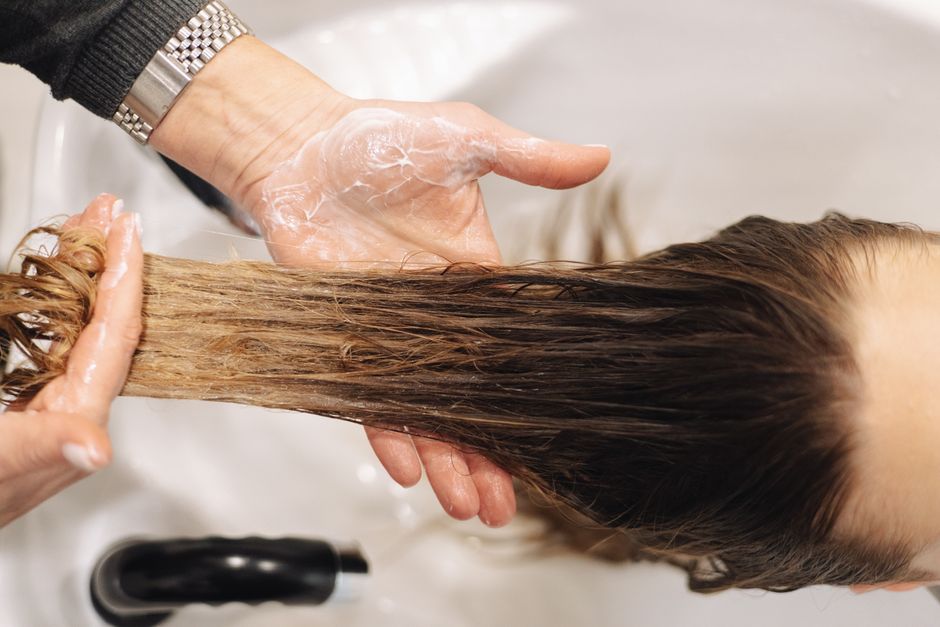
With so many options, it can feel like a maze, right? Let's break down the general categories of scalp and hair treatments you'll find in Korea, so you can better understand which approach might align with your specific goals. You'll want to think about whether you're looking for prevention, rejuvenation, or a direct medical intervention.
* **Wellness & Preventative Care (e.g., Scalp Scaling, Hair Spa Programs)**:
* **Focus**: Maintaining scalp health, preventing issues, deep cleaning, nourishing. These are often like a facial for your scalp.
* **Involves**: Multi-step cleansing, exfoliation, massage, masks, and tonics. Often relaxing and therapeutic.
* **Good for**: Anyone looking to improve general scalp health, address mild oiliness or dryness, prevent future hair loss, or just enjoy a luxurious pampering experience. Think of it as proactive health for your hair.
* **Why choose this**: You're seeking maintenance and general improvement, or a stress-relieving treatment.
* **Medical & Therapeutic Interventions (e.g., PRP, Mesotherapy, LLLT)**:
* **Focus**: Directly addressing hair loss, thinning, and specific dermatological scalp conditions. These are medical procedures targeting biological processes.
* **Involves**: Injections (PRP, Mesotherapy) or specialized light therapy (LLLT), usually performed by a dermatologist or medical professional. These often require a series of sessions for optimal results.
* **Good for**: Individuals experiencing noticeable hair thinning, pattern baldness, or diagnosed scalp conditions like seborrheic dermatitis that require more than just surface care.
* **Why choose this**: You need a targeted, evidence-based treatment to actively stimulate hair growth or treat a medical condition. You're looking for solutions with a medical backing.
* **Combination Therapies**: Many Korean clinics excel at combining these approaches. For instance, a scalp scaling treatment might precede a PRP session to ensure the scalp is optimally prepared for absorption. Or, LLLT might be used as an adjunct to mesotherapy to enhance results. The 'why' here is synergy – often, combining treatments can yield better results than any single treatment alone, because they address different aspects of hair and scalp health simultaneously.
When you have your initial consultation, the dermatologist will typically recommend a personalized plan that might draw from one or more of these categories, based on your diagnostic results and goals. Don't be afraid to ask 'why' they recommend a particular combination!
What to Expect: Consultation to Post-Treatment Care

Understanding the patient journey will help you plan your trip duration and manage your expectations. It’s not just about the treatment itself, but the entire process surrounding it. Knowing what to expect at each stage helps you feel more in control and less anxious.
* **Initial Consultation (Day 1-2 of your trip)**:
* **What happens**: Your first step will be a thorough consultation with a dermatologist or a hair specialist. This usually involves a detailed medical history, discussion of your concerns, and crucially, a high-tech scalp analysis. They’ll use magnifying devices to assess your hair density, follicle health, scalp sensitivity, and potential inflammation. Many clinics will have English-speaking staff or interpreters available.
* **Why it's important**: This diagnostic step is critical because it forms the basis of your personalized treatment plan. A good clinic won't offer a 'one-size-fits-all' solution; they'll tailor it to your unique scalp and hair condition.
* **Treatment Sessions (Varies, often multiple over days/weeks)**:
* **What happens**: Depending on the recommended treatment (e.g., scalp scaling, PRP, mesotherapy), your session will vary in duration from 30 minutes to a couple of hours. Non-surgical treatments are generally not painful, though you might feel some mild discomfort with injections. For PRP/Mesotherapy, a numbing cream is often applied beforehand to minimize sensation. For scalp scaling, it’s usually quite relaxing.
* **Why multiple sessions**: For most therapeutic scalp and hair treatments, particularly for hair loss, a single session isn't enough. You'll often need a series of sessions (e.g., 3-6 sessions spaced 2-4 weeks apart) to achieve noticeable and lasting results. This is crucial for your trip planning, because it means you might need to stay in Korea for an extended period, or plan multiple trips.
* **Immediate Aftercare & Follow-ups**:
* **What happens**: After a treatment, you'll receive specific aftercare instructions. For injections, you might be advised to avoid washing your hair for 24 hours, or to use specific gentle shampoos. For scalp scaling, you'll likely feel a clean, refreshed sensation. Follow-up consultations are typically scheduled after your treatment series to assess progress and make any necessary adjustments.
* **Why aftercare matters**: Following instructions diligently is key to maximizing your results and preventing complications. A good clinic will emphasize this. The 'why' for follow-ups is to monitor your progress and ensure the treatment plan is working effectively for you, potentially adjusting future treatments based on your body's response.
Choosing a Clinic Safely: What to Look For and Red Flags to Avoid

This is perhaps the most critical part of your planning, because you want to ensure you're in safe and skilled hands. Korea has many excellent clinics, but like anywhere, due diligence is key. Don't rush this step, because your health and results depend on it.
Here’s what you should actively look for:
* **Accredited Medical Professionals**: Always verify that the clinic is staffed by licensed dermatologists or medical doctors specializing in hair and scalp conditions. You can often check their credentials and specializations on the clinic's website or through medical association databases. The 'why' is simple: these are medical procedures, and you need medically trained professionals.
* **Clear Communication and Transparency**: Look for clinics that offer clear, detailed information about their treatments, pricing, and potential side effects. They should be willing to answer all your questions comprehensively. If they have English-speaking coordinators or interpreters, that's a huge plus, because good communication prevents misunderstandings.
* **Specialization and Experience**: While many clinics offer a range of aesthetic services, those that have a dedicated focus or a strong track record in trichology or hair loss treatments often possess deeper expertise. You want someone who sees these conditions regularly.
* **Comprehensive Diagnostics**: As mentioned, a good clinic will start with a thorough scalp analysis and diagnosis. If a clinic jumps straight to recommending a treatment without properly assessing your condition, that’s a yellow flag, because they're not fully understanding *your* specific needs.
* **Patient-Centric Reviews**: While you can't rely solely on online reviews, look for consistent themes in patient feedback about the clinic's professionalism, cleanliness, staff demeanor, and post-treatment support. Pay attention to how the clinic responds to concerns, if at all.
Now, here are some red flags that should make you pause:
* **Unbelievably Low Prices or 'Too Good to Be True' Offers**: While Korea can be competitive, exceptionally low prices often mean compromises in quality, safety, or expertise. Don't let a cheap price sway you without thorough investigation, because your health isn't a bargain item.
* **High-Pressure Sales Tactics**: If you feel pressured to make an immediate decision, or to add on expensive, unnecessary treatments during your consultation, it's a major red flag. Reputable clinics prioritize your comfort and informed consent.
* **Vague or Non-Specific Information**: If a clinic avoids giving clear answers about pricing, procedure details, or the qualifications of their practitioners, that's a sign they might be hiding something. You need clarity to make good choices.
* **Promising 'Miracle Cures' or 100% Guarantees**: Hair and scalp treatments, especially for hair loss, involve biological processes that vary by individual. No ethical clinic can guarantee a 'perfect' or '100% successful' outcome. Be skeptical of unrealistic promises, because they set you up for disappointment.
Planning Your Trip: Logistics for Your Scalp & Hair Journey

Once you've narrowed down your treatment options and are feeling good about potential clinics, it's time to iron out the travel logistics. A well-planned trip removes a lot of stress, especially when you're focusing on your health. This is where you'll want to think about your timeline, where you'll stay, and how you'll get around.
* **How Long Should You Stay?**
* **Single-Session Treatments (e.g., one-off scalp scaling)**: For these, you might only need a few days in Seoul. Arrive, have your consultation, get the treatment, and enjoy the city. You'd likely need 3-5 days in total.
* **Multi-Session Treatments (e.g., PRP, Mesotherapy)**: This is where planning gets crucial. As these often require 3-6 sessions spaced 2-4 weeks apart, you're looking at a commitment of several weeks, potentially even months. You might decide to stay in Korea for the duration, or consider if you can manage initial sessions in Seoul and then continue follow-ups with a local doctor at home (though this might not be ideal for continuity). Be honest with yourself about this commitment before you book your flights.
* **Hair Transplants (if considered)**: For surgical procedures like hair transplants, a minimum stay of 7-14 days is usually recommended for initial recovery and stitch removal (if applicable). This allows for post-op checks and ensures everything is healing well before you fly.
* **Accommodation: Comfort and Convenience**
* **Location**: You'll want to choose accommodation that is conveniently located near your chosen clinic. Seoul's public transport is excellent, but minimizing travel time, especially after treatments, is a good idea. Areas like Gangnam, Apgujeong, Sinsa (Garosu-gil), and Myeongdong have numerous clinics and a wide range of hotel options. These neighborhoods also offer plenty of amenities, dining, and pharmacies.
* **Type of Stay**: Consider whether a hotel, a serviced apartment, or an Airbnb is best. For longer stays, a serviced apartment with a small kitchenette can be more comfortable and cost-effective, allowing you to prepare simple meals and have more space to relax. You'll want a place that feels like a comfortable sanctuary.
* **Local Transport**: Seoul has an incredibly efficient subway system that connects almost everywhere. You'll want to get a T-Money card (a rechargeable transport card) upon arrival, as it makes navigating buses and subways seamless. Taxis are also readily available. For post-treatment days, you might prefer taxis for comfort and privacy, especially if you have sensitive areas or simply want to minimize public interaction immediately after a session.
* **Budgeting Beyond the Treatment**: Remember to factor in not just the treatment cost, but also daily expenses for food, local transport, and any shopping or sightseeing you plan to do. Korea can be a very enjoyable place, and you want to be able to experience it without financial stress.
* **Communication**: Consider getting a local SIM card or an eSIM upon arrival. This ensures you can easily contact your clinic, use navigation apps, and stay connected with family and friends. The 'why' is obvious: reliable communication is essential for your peace of mind while traveling, especially for medical purposes.
Planning your medical journey is about more than just booking an appointment; it's about creating a supportive environment for your well-being while you're in Korea. Make sure to choose a place where you can relax and focus on your healing.
Final Thoughts
Embarking on a journey for scalp and hair treatments in Korea can be a truly transformative experience, especially with the advanced care and specialized expertise available here. It's an investment in yourself, your confidence, and your overall well-being. By understanding the real costs, what each treatment entails, and how to safely choose a reputable clinic, you're already taking the most important steps towards a successful trip.
Remember, your health is paramount. Take your time, ask all the 'why' questions, and make decisions that feel right for you. My hope is that this honest guide gives you the clarity and confidence to plan your Korean scalp and hair treatment journey thoughtfully and effectively. I truly wish you the best on your path to healthier, happier hair!