Anti-Aging Treatments in Korea: An Honest Guide for 2026
Seoul, a city vibrant with innovation and style, has become a global hotspot for those seeking to revitalize their appearance. When you start looking into anti-aging treatments, you're probably seeing a lot of promising headlines about Korea, aren't you?
It’s completely natural to feel a mix of excitement and a little bit of overwhelm. You're wondering if the dream results are truly achievable, what the real cost might be beyond the initial price tag, and most importantly, how to navigate the options safely. As someone who lives here in Seoul, I want to cut through the noise and give you a truly honest perspective.
This guide isn't here to sell you anything or push specific procedures. Instead, we’re going to walk through the most popular anti-aging treatments—skin boosters, lasers, and fillers—to help you understand what each actually does, what to expect, and crucially, what the *full* trip experience entails, from consultation to recovery. My goal is to equip you with the practical details and genuine insights you need to plan your journey wisely, ensuring your focus remains on your well-being and satisfaction.
Why International Patients Consider Korea for Anti-Aging Treatments

It’s no secret that Korea has a reputation for being a leader in cosmetic and medical innovation. But why exactly does this draw so many international patients, perhaps even you, for anti-aging treatments? Firstly, there’s the sheer advanced technology and expertise. Korean clinics often boast the latest equipment and techniques, because there's such high demand and competition here.
Secondly, there's a strong emphasis on natural-looking results. While transformation is possible, many Korean practitioners prioritize enhancing your existing features in a subtle way that avoids an 'overdone' appearance, which is a big draw for many of us. You want to look refreshed, not like a different person, right?
Finally, the comprehensive service and relative accessibility are huge factors. From seamless booking processes (often with multilingual coordination teams) to sophisticated aftercare protocols, the patient experience is designed to be efficient and comfortable. And while prices aren't always 'cheap,' they often represent significant value compared to similar quality treatments in Western countries, making it an attractive option for many. It's about finding that sweet spot where quality meets reasonable cost.
Understanding Anti-Aging Treatments: Skin Boosters, Lasers, and Fillers

Before you dive into options, it helps to understand what each primary treatment category actually addresses. Because knowing what they *can* do helps you decide what *you* might need.
Skin boosters are essentially injectables designed to improve your skin's overall quality from within. Think of them as a deep conditioning treatment for your skin. They typically contain hyaluronic acid (a natural substance that binds water) or other beneficial compounds like amino acids and vitamins. The goal here is to hydrate, improve elasticity, reduce fine lines, and give your skin a luminous glow, making you look naturally younger and healthier. They don't dramatically change your facial structure; instead, they focus on skin health.
Lasers, on the other hand, use focused light energy to target specific skin concerns. There's a wide variety of lasers, each designed for different purposes. Some target pigmentation issues like sunspots or melasma, while others stimulate collagen production to tighten skin and reduce wrinkles. Ablative lasers remove outer layers of skin for significant resurfacing, while non-ablative lasers work underneath the skin without breaking the surface. The 'why' behind choosing a laser often comes down to addressing texture, tone, and surface irregularities.
Finally, fillers are injectable gels, most commonly made of hyaluronic acid, used to restore lost volume, smooth out deep wrinkles and folds, and contour the face. As we age, our faces naturally lose fat and bone density, leading to hollows and sagging. Fillers literally 'fill in' these areas, lifting and plumping to create a more youthful appearance. They can define cheekbones, plump lips, soften nasolabial folds, or correct under-eye hollows. The 'why' for fillers is about structural support and volume restoration.
Your Options: Common Approaches Compared (What's Right for You?)

Now that you have a basic understanding, let’s look at how these three popular anti-aging approaches differ in their application and what they're best suited for. This will help you think about what might align with your personal goals.
Skin boosters are ideal if your primary concern is overall skin quality: hydration, brightness, fine lines, and elasticity. They offer a subtle, natural enhancement. You might choose boosters if you're looking for a 'glass skin' effect or simply to improve dull, tired-looking skin. The results build gradually over a few sessions and typically last several months, requiring maintenance.
Lasers are your go-to if you have specific texture or tone issues. Are you dealing with sun damage, acne scars, enlarged pores, or stubborn pigmentation? Lasers can be incredibly effective here. They can also provide skin tightening benefits by stimulating collagen. The intensity and downtime vary significantly depending on the laser type. A lighter laser might have minimal downtime, while a more aggressive one could require a week or more for recovery. This is a treatment for specific skin *problems* rather than general radiance.
Fillers are for addressing volume loss and deeper wrinkles or folds. If you notice your cheeks are hollower, your jawline is less defined, or you have prominent lines around your mouth, fillers can provide immediate, visible improvement. They can also subtly reshape facial contours. The results are typically immediate and can last from six months to over a year, depending on the type of filler and the treated area. Fillers are more about structural changes than skin surface improvement.
Many patients actually opt for a combination of these treatments to achieve comprehensive results. For example, you might use fillers for volume, a laser for skin texture, and skin boosters for overall glow. The key is understanding that each serves a distinct purpose, and a good consultation will help you piece together the right puzzle for your face. Because you want a plan tailored specifically for you.
What to Expect: From Consultation to Aftercare

So, you've narrowed down your interests. What's the actual process like if you go ahead with treatments in Korea? Understanding this timeline helps you plan your trip effectively.
Your journey begins with a consultation. This is incredibly important, as this is where a doctor will assess your skin, discuss your goals, and recommend a treatment plan. Be prepared to clearly articulate what you want to achieve and to ask any questions you have. Many clinics offer consultations with English-speaking staff or dedicated interpreters, because they understand international patients have unique needs.
On the day of your treatment, you'll typically arrive and have your face cleansed. For injectables like skin boosters and fillers, a numbing cream is often applied to ensure comfort. For laser treatments, safety goggles will be provided. The actual procedure time can vary—from 15-30 minutes for injectables to an hour or more for comprehensive laser sessions. You'll likely feel some pressure or a mild stinging sensation, but discomfort is usually managed effectively.
Immediately after, you might experience some redness, swelling, or bruising, especially with injectables. Lasers can cause redness, a feeling of warmth, and sometimes peeling or crusting, depending on their intensity. You'll receive detailed aftercare instructions: what to apply, what to avoid (like sun exposure, strenuous exercise, or certain skincare products), and when to return for follow-ups.
Recovery time varies widely. Fillers often have minimal social downtime, though bruising can last a week. Skin boosters might leave small bumps for a day or two. More intensive lasers could require a week or more of dedicated downtime. Because you'll want to be able to enjoy your trip without feeling self-conscious, always factor in enough recovery time before your planned activities or flight home.
Choosing a Clinic Safely: Your Due Diligence Checklist

This is perhaps the most critical step in your entire medical tourism journey. With so many clinics in Seoul, how do you choose one that is both reputable and safe? Because you're putting your health and appearance in their hands, thorough research is non-negotiable.
Start by researching the clinic's reputation online. Look for objective reviews on various international platforms, not just curated testimonials on their own website. Pay attention to comments about patient safety, cleanliness, and the professionalism of the staff. You’re looking for consistent positive experiences, not just one or two glowing reviews.
Next, verify the credentials of the medical professionals. Ensure the doctors are board-certified and have extensive experience specifically with the treatments you are considering. Don't be afraid to ask about their training and specialization. A reputable clinic will be transparent about their staff’s qualifications.
During your initial inquiries or consultation, observe their communication. Do they listen to your concerns? Do they provide realistic expectations and explain potential risks? Or do they make grand promises and push for more expensive procedures? A good clinic prioritizes your understanding and comfort, not just making a sale.
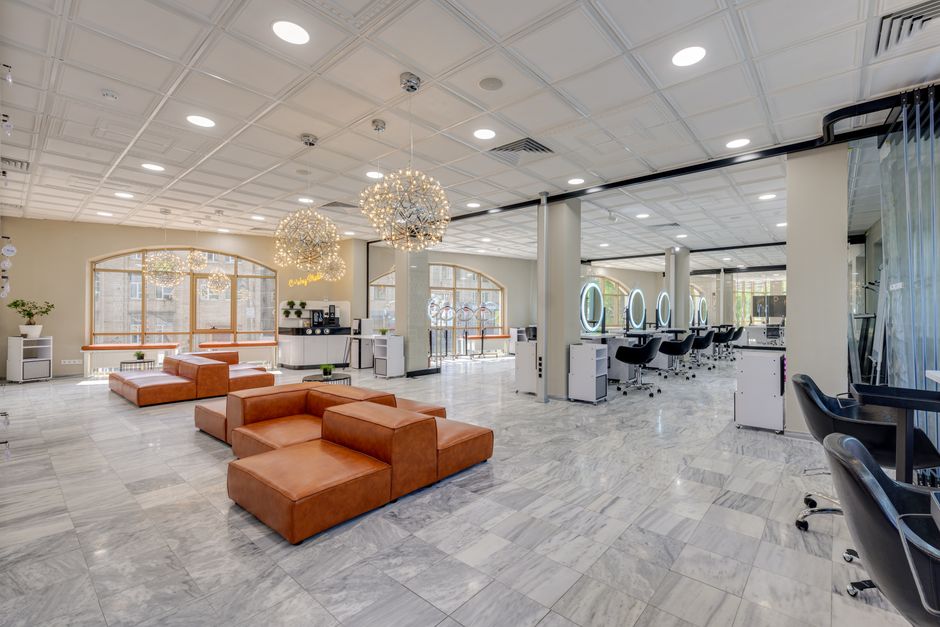
Finally, consider the clinic’s facilities and hygiene standards. While you might not be able to physically inspect it from afar, photos and virtual tours can give you an idea. The 'why' here is simple: a clean, modern, well-equipped clinic usually indicates a professional operation that prioritizes patient safety. Because your safety should always come first.
Planning Your Trip: Recovery, Accommodation, and Logistics

Once you've decided on your treatments and clinic, the practical aspects of planning your trip to Seoul become essential. Because even the best treatment can be overshadowed by poor trip planning.
First, consider the length of your stay. For most anti-aging injectables or lighter lasers, you might need a minimum of 5-7 days in Seoul to accommodate the treatment day, a follow-up check (if necessary), and initial recovery. For more intensive laser treatments, I'd honestly recommend at least 10-14 days to allow for significant healing before you fly home. You'll want to avoid any major sightseeing or strenuous activities immediately post-procedure, so having that buffer is crucial.
When it comes to accommodation, choose wisely. Opt for hotels or serviced apartments that offer comfort and convenience. Being able to rest in a quiet, private space is invaluable during recovery. Areas like Gangnam, Apgujeong, or Sinsa-dong are popular choices because they are often central to many clinics and offer easy access to pharmacies, cafes, and light shopping. You'll want amenities like a good bed, a clean bathroom, and perhaps even a small kitchenette for preparing light, comforting meals.
Don't forget about transportation. Seoul's public transport system is excellent, but during initial recovery, you might prefer taxis or ride-sharing services for direct routes, especially if you're experiencing swelling or discomfort. Also, plan for meals. While Seoul has incredible food, you might prefer softer, less spicy options during your recovery, so having accessible food options or a way to order delivery is helpful.
Lastly, consider an eSIM or local SIM card for reliable connectivity. This is important not just for navigating the city, but also for staying in touch with your clinic if any post-procedure questions arise. Because you want to feel supported and connected throughout your entire journey.
Final Thoughts
Planning your anti-aging journey to Korea can be an incredibly rewarding experience, offering access to advanced treatments and expert care. But like any significant decision, it requires careful thought, honest research, and realistic expectations. By understanding the different treatments, knowing what to look for in a clinic, and thoroughly planning your logistics, you're empowering yourself to make choices that truly align with your goals and well-being.
I hope this guide has given you the practical, down-to-earth information you needed to feel more confident and less overwhelmed. Remember, your journey is unique, and taking the time to do your homework now will lead to a much smoother and more satisfying experience in Seoul. Stay smart, stay safe, and here's to a refreshed you!