
Cosmetic Surgery Recovery in Seoul: Aftercare Guide 2026
Thinking about undergoing a cosmetic procedure in Seoul? It’s an exciting prospect, especially with Korea’s reputation for advanced techniques and skilled specialists. But beyond the procedure itself, there's a crucial part of the journey often overlooked in the initial excitement: the recovery.
Many patients focus intensely on choosing the right clinic and the procedure itself, which is absolutely vital. However, what happens *after* the surgery, when you're navigating a new city while recovering, is just as important for a successful outcome and a comfortable experience. This isn't just about managing discomfort; it's about making sure your body heals properly in a foreign environment.
As your Seoul friend, I want to give you an honest look at what that recovery period really entails here in Korea. We’ll talk about where to stay, what to eat, and how to manage the practicalities of aftercare, so you can plan not just for the procedure, but for a smooth, stress-free healing journey.
Why International Patients Consider Korea for Cosmetic Procedure Recovery
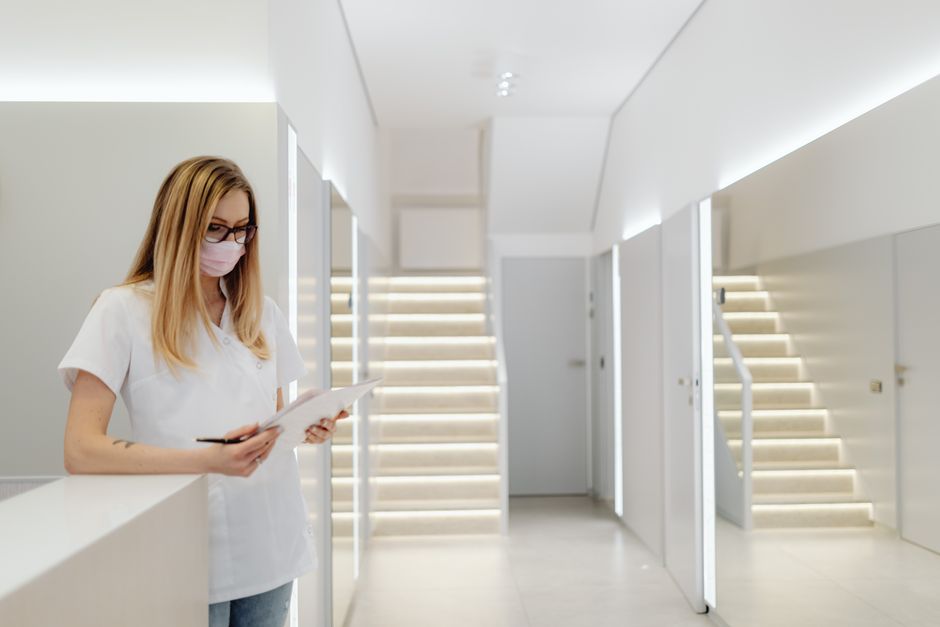
It’s no secret that Korea has become a global hub for cosmetic procedures. You've likely heard about the innovation, the meticulous techniques, and the highly specialized doctors here. For many international patients, the allure is strong, and clinics often offer comprehensive packages that seem to cover everything.
But beyond the surgery itself, Korea offers a unique environment for recovery, too. The city infrastructure is incredibly efficient, from public transport to accessible amenities. There’s also a high standard of medical follow-up available, which can be reassuring. Plus, Seoul offers plenty of opportunities for gentle, relaxing activities that can aid mental well-being during your healing process – like peaceful walks in city parks or visiting tranquil cafes, once you’re up to it. Understanding these advantages helps you leverage them for a better recovery experience, because you’ll know what resources are truly at your fingertips.
What Post-Procedure Recovery Actually Involves

Recovery is not a one-size-fits-all experience, but there are common themes you'll encounter after most cosmetic procedures. Initially, you’ll likely experience swelling, bruising, and discomfort, managed with prescribed pain medication. Depending on your procedure, drains might be in place for a few days, and bandages or compression garments will be essential.
Mobility might be limited, and rest will be paramount. For example, after facial surgery, you'll need to keep your head elevated and avoid strenuous activity. After body contouring, moving carefully and wearing compression is key. The first few days are often the most challenging, as your body begins to heal and adjust. This isn’t a time for sightseeing; it’s a time for quiet rest and self-care, which is why having a recovery plan in place is so important.
Your Options: Common Approaches to Recovery Stays

When planning your recovery stay in Seoul, you essentially have a few main approaches, each with its own benefits. You'll want to choose what best fits your needs, budget, and desired level of independence.
First, there are traditional hotels. These offer privacy and daily cleaning, but often lack kitchen facilities, making healthy meal prep challenging. Next, serviced apartments are a popular choice. They provide more space, kitchenettes, and often laundry facilities, giving you a 'home away from home' feel. This is incredibly useful for preparing light, nutritious meals and maintaining hygiene without constantly relying on outside services.
Finally, some patients opt for dedicated post-operative care centers or 'recovery houses.' These cater specifically to medical tourists, offering nursing support, meal services, and transportation to follow-up appointments. They can be more expensive but provide a higher level of direct care. Consider what level of support you'll genuinely need and how much independence you want, because that will significantly impact your comfort during healing.
What to Expect: Consultation to Recovery Timeline

Your journey generally starts with online consultations, followed by an in-person consultation once you arrive in Seoul. This is where your surgeon will finalize your plan and ensure you’re a suitable candidate. Most clinics will schedule your procedure within a day or two of this final consultation.
Post-procedure, the immediate recovery phase typically lasts 3-7 days. During this time, you'll have initial follow-up appointments for bandage changes, drain removal, and general checks. Your mobility will be limited, and you'll focus on resting and following aftercare instructions rigorously. Swelling and bruising will be most noticeable during this period.
The extended recovery, where you're mobile but still healing, usually continues for another 7-14 days. This is when many international patients are still in Seoul, attending further check-ups, and ensuring initial healing is on track before flying home. You’ll gradually regain energy and might feel up to light activities, but vigorous exercise is still off-limits. You need to plan for at least 10-14 days in Seoul for most significant procedures to ensure adequate initial recovery and follow-up, because flying too soon can pose health risks and complicate healing.
Choosing a Clinic Safely: What to Look For and Red Flags to Avoid
Selecting the right clinic for your procedure is paramount for both your safety and successful outcome. You'll want to do thorough research, focusing on credentials, experience, and patient safety protocols. Look for clinics with board-certified surgeons who specialize in your desired procedure, because specialization often translates to greater expertise. Verify that the clinic is accredited and maintains high standards for hygiene and emergency preparedness. Many clinics serving international patients will have dedicated English-speaking coordinators, which is a huge plus for clear communication.
Don't hesitate to ask detailed questions about the surgeon's experience, the number of procedures they perform annually, and their complication rates. You're entrusting them with your health, so due diligence is key.
On the flip side, be wary of red flags. Unusually low prices that seem too good to be true often are. High-pressure sales tactics, promises of 'guaranteed' results, or clinics that downplay recovery times should make you pause. A clinic that is reluctant to provide transparent information about costs, qualifications, or potential risks is also a warning sign. Remember, a good clinic will prioritize your safety and well-being over securing a quick booking.
Planning Your Trip: Recovery Stay and Travel Logistics
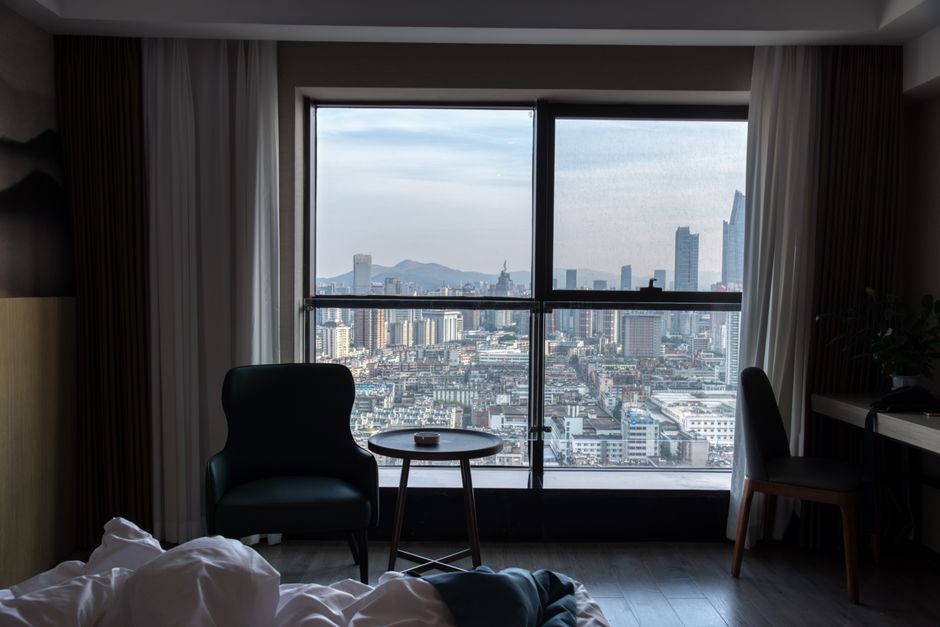
Once you've chosen your clinic and have your procedure date, it’s time to finalize your travel logistics, with a strong focus on your recovery period. This is where you really plan for comfort and ease.
**Accommodation**: As we discussed, serviced apartments in areas like Gangnam (close to many clinics) or even more central, well-connected districts like Myeongdong or Hongdae, can be ideal. Look for places with comfortable beds, a quiet environment, and easy access to a supermarket or convenient stores for recovery-friendly food. Consider a hotel with concierge services if you anticipate needing help with small errands or food delivery.
**Food**: During recovery, you'll likely want bland, nutritious, and easy-to-digest meals. Seoul has an incredible food delivery culture (apps like Baemin or Coupang Eats are popular), but you’ll need a local phone number to use them. Stocking your temporary kitchen with basics like rice, instant soups, fruits, and bottled water will be a lifesaver. You want to nourish your body without stress, because proper nutrition is vital for healing.
**Transportation**: Taxis are readily available and can be essential for comfortable travel to and from your clinic appointments, especially in the first few days post-op. Public transport is excellent, but navigating stairs and crowds might be too strenuous initially. Plan for easy, comfortable transit.
**Aftercare Supplies**: While your clinic will provide specific wound care items, pack comfortable, loose-fitting clothing that won't irritate incisions. Button-up shirts are excellent for facial surgeries. Don't forget any personal comfort items like a neck pillow or specific teas you enjoy. Having everything you need readily available will make your recovery far smoother, because the last thing you want to do is scramble for essentials when you’re not feeling your best.
Final Thoughts
Embarking on a cosmetic procedure journey in Seoul is a big decision, and it’s one that extends well beyond the operating room. My hope is that this honest guide helps you approach your recovery phase with confidence and preparation.
Remember, your comfort and well-being during healing are just as important as the procedure itself. By planning ahead for your accommodation, food, and aftercare, you’re not just recovering – you’re investing in a smoother, more satisfying outcome. You’ve got this, and with careful planning, your Seoul recovery can be a truly restorative experience.