
Breast Augmentation Korea: Costs, Recovery, Natural Look
Thinking about breast augmentation can bring up so many questions, especially when you're considering traveling abroad for the procedure. You've probably heard about Korea's reputation for medical tourism, and it's true, many people do come here for procedures like breast augmentation. But navigating the process from another country, understanding the real costs beyond just the surgery fee, and ensuring you get natural-looking results can feel really overwhelming.
That's where I, Haeun Lee, come in. As someone living here in Seoul, I'm going to share an honest, patient-centered guide to help you understand what's truly involved in planning breast augmentation in Korea. We'll talk about everything from the different approaches like over-the-muscle, how to choose a reputable clinic safely, and perhaps most importantly, what the *actual* total trip cost looks like, so you can plan your budget realistically and avoid any hidden surprises. My goal is to equip you with practical, transparent information, so you can make informed decisions for your health and well-being.
Because when you're making such a personal decision, you deserve clarity, not just marketing speak. So, let's get into the details.
Why International Patients Consider Korea for Breast Augmentation

It's no secret that Korea has become a major hub for medical tourism, and breast augmentation is one of the procedures many international patients travel for. You might be wondering why. Often, it comes down to a few key factors you'll want to consider.
Many clinics here are known for their advanced surgical techniques and the emphasis on achieving natural-looking results, which is a big draw for those of you who want an enhancement that harmonizes with your body. You'll find that Korean surgeons often have a particular aesthetic philosophy that aims for subtle elegance rather than overly dramatic changes, and this aligns with what many patients are looking for today, especially those considering moderate implant sizes like 215cc with an over-the-muscle placement for a softer, more integrated feel.
Beyond aesthetics, the efficiency of the medical system here is often a significant factor. You can typically arrange consultations, undergo surgery, and complete initial follow-ups within a relatively compact timeframe compared to some other countries. The availability of high-quality medical devices and the generally high standards of clinic facilities also contribute to Korea's appeal. However, it's really important to remember that 'popular' doesn't automatically mean 'perfect for you,' so you'll still need to do your homework to ensure a good fit.
What Breast Augmentation Actually Involves
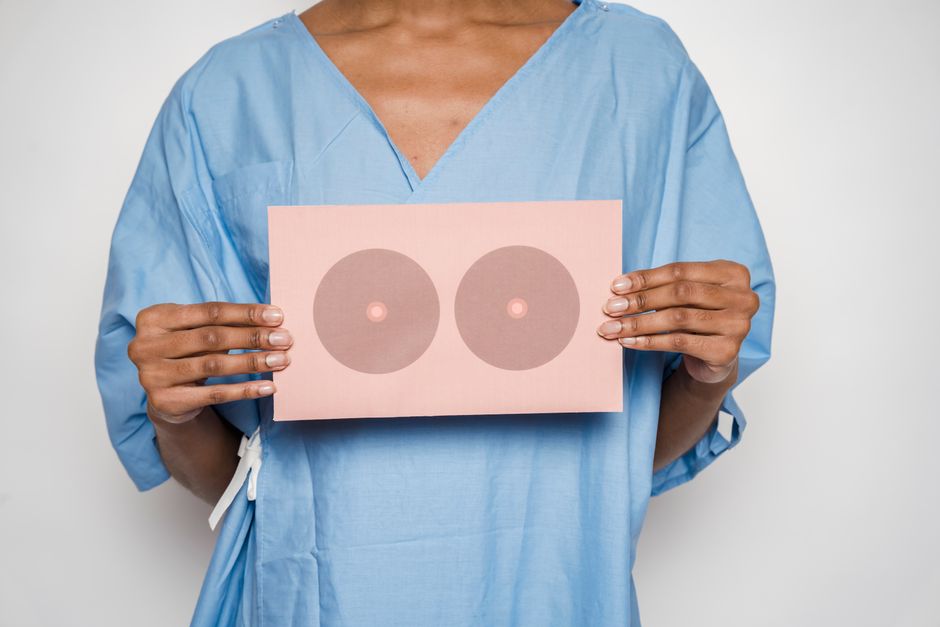
Let's demystify what breast augmentation generally entails. Essentially, it's a surgical procedure designed to increase breast size and enhance shape using implants. The process usually begins with a thorough consultation where you and a surgeon discuss your aesthetic goals, body type, and implant options. This is where you'd talk about size (like 215cc, which is a very popular, natural-looking choice), shape, material (silicone gel is most common), and placement.
Speaking of placement, you'll generally hear about two main approaches: 'subglandular' (over-the-muscle) and 'submuscular' (under-the-muscle). For those of you aiming for a very natural feel and appearance, particularly if you have some existing breast tissue, an 'over-the-muscle' placement might be discussed as it often allows the implant to sit more superficially, potentially contributing to a softer contour. The surgeon creates a pocket for the implant either directly behind the mammary gland or underneath the pectoral muscle. The choice of incision location (often around the areola, in the inframammary fold, or in the armpit) will also be discussed, each with its own recovery considerations and scar visibility.
During the surgery itself, which is performed under general anesthesia, the surgeon makes the agreed-upon incision, creates the pocket, inserts the implant, and then meticulously closes the incisions. After the procedure, you'll typically spend some time in a recovery room before being discharged, usually on the same day, though some clinics might recommend an overnight stay depending on the individual case and clinic policy. It's a significant surgical procedure, so understanding these basic steps helps you prepare mentally for the journey ahead.
Your Options: Common Approaches Compared for a Natural Feel
When you're discussing breast augmentation, especially with an eye towards a natural look and feel, you'll encounter a few main choices. The type of implant, its size, and its placement are the primary factors that will shape your results. For many international patients, the goal isn't just bigger breasts, but breasts that look and feel like a natural part of their body. This is why details like implant fill and placement are so important.
Most commonly, you'll be looking at silicone gel implants. These are popular because their consistency is often described as feeling more like natural breast tissue compared to saline. Within silicone implants, there are various textures (smooth vs. textured) and shapes (round vs. anatomical/teardrop). Round implants are often favored for their ability to create fullness, while anatomical implants aim for a more sloped, natural profile. A 215cc implant, as you're considering, is a modest size that often delivers very natural enhancement, particularly if you're starting with a smaller bust and desire a subtle increase.
For placement, the 'over-the-muscle' (subglandular) approach is often discussed for its potential to offer a more natural feel to the touch, especially for those with enough natural breast tissue to cover the implant effectively. This placement might also result in less post-operative pain for some, because the muscle isn't directly involved in creating the implant pocket. However, 'under-the-muscle' (submuscular) placement can offer better coverage for very thin patients, potentially reducing palpability and visibility of the implant edges, and some surgeons might recommend it for other reasons. Your surgeon will evaluate your unique anatomy and discuss which approach they believe will best achieve your desired natural outcome. This is a critical conversation you'll want to have during your consultation, ensuring your surgeon understands your aesthetic goals and can explain the 'why' behind their recommendations.
info: 💡 A 'natural feel' isn't just about implant size; it's also about implant type, shape, and especially placement, which your surgeon will guide you on based on your body.
What to Expect: Consultation to Recovery Timeline

Understanding the timeline for breast augmentation in Korea is crucial for your travel planning. This isn't just a day trip; you'll need to allocate sufficient time for the entire process, from initial consultation to crucial post-operative checks. Here's a realistic breakdown of what you can generally expect:
* **Initial Consultation (Day 1-2):** After you arrive in Seoul, your first priority will be your in-person consultations. You'll typically visit a few clinics to compare approaches, discuss your specific goals (like that 215cc over-the-muscle preference for a natural look), get examined, and receive a personalized quote. This is your chance to ask all your questions, understand the 'why' behind recommendations, and feel comfortable with your chosen surgeon and team.
* **Pre-operative Prep & Surgery (Day 2-4):** Once you've made your decision, you'll likely have pre-operative tests (blood work, EKG, mammogram/ultrasound if needed) and a final consultation. The surgery itself is usually scheduled for the following day or soon after. Expect to be at the clinic for several hours on surgery day, including prep, the procedure itself (which can be 1-2 hours), and initial recovery. You'll wake up with a compression garment and possibly drainage tubes, depending on the surgeon's protocol.
* **Immediate Post-Op & First Check-ups (Day 4-7):** The first few days post-surgery are for rest and initial healing. You'll likely experience swelling, soreness, and bruising. You'll have your first follow-up appointments during this period, where drains might be removed (if used) and your incisions checked. This is when you'll learn about scar care and further recovery instructions. You'll want to stay very close to your clinic during this time, so a well-located accommodation is key.
* **Mid-Recovery & Essential Follow-ups (Day 7-14):** By this point, you should be feeling a bit more mobile, though still restricted from heavy lifting or strenuous activities. You'll typically have another follow-up to check your progress and potentially remove sutures if they weren't dissolvable. Most clinics advise international patients to stay in Korea for at least 10-14 days post-surgery to ensure proper initial healing and address any immediate concerns before flying home. This duration allows for critical monitoring and peace of mind.
* **Longer-term Recovery (Weeks 3-6+):** While you'll be back home, the full recovery process continues for several weeks or even months. Swelling will gradually subside, and your implants will settle into their final position. You'll be given instructions on when you can resume exercise, specific types of bras to wear, and continued scar care. Remember that full results aren't immediate, and patience is definitely a virtue here.
heads_up: ⚠️ Plan for at least 10-14 days in Seoul post-surgery. Rushing your recovery can compromise your results and health.
Choosing a Clinic Safely: What to Look For and Red Flags to Avoid

Choosing the right clinic and surgeon is arguably the most critical step in your breast augmentation journey in Korea. With so many options, it can feel overwhelming, but focusing on due diligence will help you navigate safely. Remember, you're looking for expertise, transparency, and a team that genuinely prioritizes your safety and desired natural outcome, not just a low price.
**What to Look For:**
1. **Board Certification & Experience:** You'll want to confirm that your surgeon is a board-certified plastic surgeon. In Korea, this often means they've completed extensive training and are recognized by the Korean Society of Plastic and Reconstructive Surgeons. Ask about their experience specifically with breast augmentation, and even more specifically, with the placement and type of implant you're considering. Experience matters, because it means they've handled a variety of cases and can better anticipate and manage potential complications.
2. **Specialization:** While many clinics offer a range of procedures, some surgeons have a particular focus or reputation in breast augmentation. You might find clinics known for natural results, or those who frequently work with international patients, offering dedicated coordination and interpreting services. This can make your experience much smoother.
3. **Clinic Accreditation & Safety Standards:** Look for clinics that adhere to high safety standards. This includes having proper anesthesia facilities, emergency protocols, and well-trained medical staff. You want to feel confident that should an unforeseen situation arise, the clinic is equipped to handle it swiftly and effectively. Don't be afraid to ask about their emergency care capabilities.
4. **Transparent Communication:** A good clinic will provide clear, detailed information about the procedure, potential risks, recovery process, and most importantly, an itemized breakdown of all costs. They should be willing to answer all your questions thoroughly, explaining the 'why' behind their recommendations in a way you understand.
5. **Aftercare Support for International Patients:** Since you'll be returning home, comprehensive aftercare instructions and clear channels for communication post-surgery are essential. Ask how they handle follow-up questions or concerns once you've left Korea.
**Red Flags to Avoid:**
* **Pressure Sales Tactics:** If you feel rushed into making a decision, pressured to add more procedures, or offered steep, time-limited discounts that expire quickly, you'll want to be wary. Ethical medical care is about patient well-being, not hard selling.
* **Unrealistic Promises:** Beware of clinics or consultants promising 'perfect' results, 'no pain,' or guaranteeing specific outcomes. Every surgery has risks, and every body is different. An honest practitioner will discuss both the benefits and potential downsides.
* **Lack of Transparency in Pricing:** If a clinic is vague about the total cost or adds on unexpected fees, this is a major red flag. Always insist on a detailed, itemized quote that includes everything from the surgery itself to anesthesia, medications, and follow-up visits.
* **Ignoring Your Preferences:** While a surgeon's expertise is important, if they dismiss your concerns or preferences (like your desire for a specific size or natural look) without a clear, medical explanation, you should proceed with caution. Your aesthetic goals should be respected and understood.
* **Unlicensed Coordinators/Brokers:** While many reputable coordinators exist, be cautious of individuals or organizations that can't clearly articulate their credentials or push you towards only one clinic without offering multiple options or objective information. Always verify information directly with the clinic itself. You'll want to avoid relying solely on third-party intermediaries who may prioritize their commission over your best interests.
warning: ⚠️ A major red flag is any clinic that offers prices significantly lower than the average without a clear, reasonable explanation. You'll find that deeply discounted procedures often come with compromises in quality, safety, or aftercare.
Planning Your Trip: Recovery Stay and Travel Logistics

Once you've chosen your clinic and surgeon, the next big step is planning your actual trip. This isn't just a vacation; it's a medical journey, and your travel logistics, especially your recovery stay, are just as important as the surgery itself. You'll want to create an environment that supports healing and minimizes stress.
* **Duration of Stay:** As I mentioned earlier, for breast augmentation, you should generally plan to stay in Seoul for at least 10 to 14 days post-surgery. This allows for critical early follow-ups, suture removal (if needed), and ensures you're stable enough for international travel. Some patients might even opt for three weeks, especially if they anticipate a slower recovery or just want more peace of mind before a long flight home.
* **Accommodation Choices:** You'll want to choose a recovery-friendly place to stay. Think about comfort, accessibility, and proximity to your clinic. A hotel or serviced apartment with amenities like a comfortable bed, a quiet environment, and perhaps a small kitchen to prepare light meals can be ideal. You'll also want to consider transportation options from your accommodation to the clinic for your follow-up appointments. Areas like Gangnam, Apgujeong, and Sinsa-dong are popular for clinics, so staying in or near these districts can be very convenient.
* **Travel Companion:** Seriously consider bringing a trusted travel companion with you. Especially for the first few days post-surgery, you'll likely need assistance with daily tasks, moving around, and even just moral support. Having someone there to help with meals, getting to appointments, or simply fetching things can make a huge difference in your comfort and recovery.
* **Transportation:** Seoul has an excellent public transportation system (subway, buses), but immediately after surgery, you might prefer taxis or ride-hailing services for comfort and ease, especially for clinic visits. Plan your routes in advance. Remember, you'll want to avoid any strenuous walking or carrying heavy bags.
* **Packing Essentials:** Beyond your usual travel items, pack loose, front-buttoning clothes that are easy to get into and out of without raising your arms too much. A supportive, soft post-surgical bra (the clinic will often provide one, but an extra might be helpful), comfortable slip-on shoes, and any personal comfort items like a neck pillow can be really beneficial. Don't forget your medications, both prescribed and any over-the-counter pain relievers you prefer (after confirming with your surgeon).
* **Communication:** Having a local eSIM or SIM card is highly recommended so you can easily communicate with your clinic, coordinate rides, or reach out for help. You'll want reliable internet access for checking maps and staying in touch with loved ones.
This meticulous planning of your recovery environment is a crucial, often overlooked, part of a successful medical trip. It significantly contributes to your physical and mental well-being during a vulnerable time. You'll be grateful you thought through these details beforehand.
Final Thoughts
Embarking on a medical journey like breast augmentation in Korea is a significant decision, and I truly hope this guide has given you a clearer, more honest picture of what to expect. It's not just about the surgery; it's about the planning, the recovery, and ensuring your well-being every step of the way. By understanding the real costs, how to choose safely, and what a realistic timeline looks like, you're empowering yourself to make the best choices for your body and your peace of mind.
Remember, your health and safety are paramount, so take your time, ask all the questions, and trust your gut. Seoul is an incredible city, and with careful planning, you can have a positive and successful experience. We're here to help you navigate it with practical, honest advice.