Breast Lift Korea: Honest Cost & Planning Guide 2026
Thinking about a breast lift, or mastopexy, without implants in Korea? It's a big decision, and if you're looking for honest, practical information, you've come to the right place. Many international patients consider Korea for its advanced medical technology and experienced professionals, but it’s crucial to understand the full picture—not just the glossy brochures.
Maybe you're curious about how to achieve that desired lift and shape, or perhaps you're even thinking ahead to how your results might look months or years down the line, say, at that 10-month mark, and how to maintain them. You want to make sure your investment in yourself provides lasting satisfaction, and that means choosing wisely from the start. That's why I, Haeun, your Seoul friend at HealthTravelLab, am here to give you the real talk.
We'll cover everything from understanding the procedure itself to realistic costs, how to safely choose a clinic, and what to expect during your recovery and beyond. This isn't about selling you a dream; it's about equipping you with the practical knowledge you need to make an informed, confident decision for your health and well-being.
Why International Patients Consider Korea for Breast Lift

Korea has built a significant reputation in aesthetic medicine, drawing patients from all over the world. When it comes to breast lift surgery, you'll often hear about the advanced techniques and the sheer volume of procedures performed, which naturally contributes to a high level of surgeon experience. Many clinics in Seoul, particularly in areas like Gangnam, are equipped with state-of-the-art technology, aiming for precise and aesthetically pleasing outcomes.
The focus on natural results, especially for procedures like a breast lift without implants, is a key draw. Korean surgeons are often recognized for their meticulous approach and understanding of aesthetics, which can be appealing if you're looking for a refined, proportionate outcome. The medical tourism infrastructure, including professional medical coordinators and interpreters, also makes the planning process seem smoother for international visitors. This support system can make you feel more comfortable navigating a new country and its medical system, which is a significant factor when undergoing a major procedure.
What a Breast Lift (Mastopexy) Actually Involves
A breast lift, or mastopexy, is a surgical procedure designed to reshape and elevate sagging breasts. Unlike breast augmentation, which primarily increases volume, a breast lift focuses on improving breast shape, position, and firmness by removing excess skin and tightening the surrounding tissue. You might be considering this if you've experienced changes due to aging, pregnancy, breastfeeding, significant weight loss, or genetics.
The procedure aims to reposition the nipple and areola to a more youthful, higher position on the breast mound. The surgeon will typically make incisions, remove a specific amount of skin, and then lift and reshape the underlying breast tissue. The remaining skin is then redraped, creating a firmer, more lifted contour. It’s important to understand that while it restores a more youthful appearance, it doesn't significantly add volume. If you're looking for increased volume, a breast lift might be combined with fat grafting, but the core mastopexy focuses on correcting sag and improving shape.
Your Options: Common Approaches to Breast Lift Without Implants

When you're planning a breast lift without implants, clinics typically offer several incision patterns, each suited to different degrees of sagging and desired outcomes. The choice of technique largely depends on your specific anatomy and the extent of correction needed, which your surgeon will discuss during your consultation. Knowing these general approaches can help you understand the options you might be presented with:
1. **Crescent Lift (Peri-areolar)**: This involves a small incision along the upper half of the areola. It's suitable for minimal sagging and can slightly elevate the nipple-areola complex. Because the incision is limited, it offers a subtle lift and is ideal if your primary concern is just a minor adjustment.
2. **Donut Lift (Circumareolar)**: This uses a circular incision around the entire areola, with an additional circular incision just outside the first. A ring of skin is removed between these two circles. This technique can address mild to moderate sagging and reduce areola size. The scar is confined to the border of the areola, making it less conspicuous.
3. **Lollipop Lift (Vertical)**: This involves an incision around the areola and then vertically down to the breast crease. It's effective for moderate sagging and can provide a more significant lift and reshaping than the peri-areolar techniques. The vertical incision allows for more skin removal and breast tissue reshaping.
4. **Anchor Lift (Inverted T)**: This is the most comprehensive technique, involving an incision around the areola, a vertical incision down to the breast crease, and a horizontal incision along the breast crease. It's used for significant sagging, providing the most dramatic lift and reshaping. While it results in more extensive scarring, it offers the greatest degree of correction. Each technique has its own balance of lift, scar visibility, and suitability for your unique situation, so an in-depth discussion with your surgeon is paramount to choosing the right one for you.
What to Expect: Consultation to Long-Term Recovery & Maintenance
Your journey for a breast lift in Korea typically begins long before you even board a plane. Here’s a general timeline of what you can expect, keeping in mind the long-term aspect of your results:
* **Initial Consultation (Virtual & In-Person)**: Many clinics offer virtual consultations to discuss your goals, assess your photos, and give you a preliminary opinion. Once you arrive in Korea, an in-person consultation will be much more detailed. The surgeon will examine you, discuss the best technique for your anatomy, explain the risks and benefits, and answer all your questions. This is a critical step, especially if you're thinking about results 10 months post-op and beyond, as you'll want to discuss how the chosen technique impacts long-term shape retention.
* **Pre-Operative Preparations**: Before surgery, you'll undergo medical tests like blood work, electrocardiogram (ECG), and sometimes a chest X-ray to ensure you're fit for surgery. You’ll also receive instructions on what to avoid (certain medications, alcohol, smoking) before your procedure.
* **Surgery Day**: The procedure itself typically takes 2-4 hours, performed under general anesthesia. You’ll usually spend a few hours in recovery before being discharged, though sometimes an overnight stay might be recommended depending on the complexity.
* **Immediate Post-Op (Days 1-7)**: You’ll experience some swelling, bruising, and discomfort, managed with prescribed pain medication. You'll wear a surgical bra to support your breasts and aid healing. Stitches may be dissolvable or removed at a follow-up appointment, typically within 7-14 days. During this initial week, light activity is usually allowed, but strenuous activities are strictly off-limits. This is when having a comfortable and recovery-friendly accommodation is crucial.
* **Early Recovery (Weeks 2-6)**: Swelling gradually subsides, and you can slowly resume more normal activities, but still no heavy lifting or intense exercise. Your surgeon will provide specific guidelines. Scars will be red and firm at this stage, and you'll likely receive advice on scar management.
* **Long-Term Recovery & Maintenance (Months 3-12 and Beyond)**: This is where understanding long-term results and maintenance truly comes into play. Full results often take 6-12 months to become apparent as swelling completely resolves and tissues settle. Scars will continue to mature and fade, though they will never disappear entirely. At the 10-month mark, you should have a good sense of your final shape and lift.
Maintaining your results long-term involves several factors: avoiding significant weight fluctuations, which can affect breast size and skin elasticity; wearing supportive bras, especially during exercise; and adopting a healthy lifestyle. While a breast lift provides a significant improvement, gravity and aging will continue to have an effect over time. Discussing these long-term expectations and care with your surgeon during the initial consultation is vital for your satisfaction.
Choosing a Clinic Safely: What to Look For and Red Flags to Avoid
Selecting the right clinic for your breast lift in Korea is perhaps the most critical step in your journey. You're entrusting your body to medical professionals, and due diligence is key, especially when you're in a foreign country. Here’s what you should focus on:
1. **Board Certification and Experience**: Look for surgeons who are board-certified in plastic surgery. This indicates a high level of training and adherence to professional standards. The Korean Society of Plastic and Reconstructive Surgeons (https://www.plasticsurgery.or.kr) is a good resource to understand such qualifications. Enquire about the surgeon's specific experience with breast lifts without implants, and don’t hesitate to ask how many procedures they perform annually. Experience with your specific anatomy and desired outcome is more valuable than general surgery experience.
2. **Facility Accreditation and Safety**: Ensure the clinic operates in an accredited facility. This means it meets specific safety and quality standards, much like what you'd expect in your home country. Ask about the anesthesia provider—they should be a board-certified anesthesiologist, not just a nurse. Also, confirm emergency protocols and equipment are in place. The Korean Ministry of Health and Welfare (https://english.mohw.go.kr) provides general oversight for medical facilities.
3. **Transparent Communication and Expectations**: A good clinic and surgeon will be upfront about realistic outcomes, potential risks, and recovery. They should take the time to answer all your questions comprehensively, in English (or via a professional medical interpreter). If you feel rushed, or if they promise unrealistic 'perfect' results without discussing potential complications, that's a red flag. Pay attention to how they explain the long-term changes, especially regarding how results might settle or change by the 10-month mark and beyond.
4. **Comprehensive Aftercare Plan**: Before committing, understand the clinic’s aftercare policy for international patients. What happens if you have concerns after returning home? Do they offer virtual follow-ups? Clear aftercare instructions and accessible support are essential, particularly for a procedure with a longer healing process.
5. **Beware of High-Pressure Sales Tactics**: If a clinic pushes you to book immediately, offers deep discounts for 'today only,' or tries to upsell you on additional, unnecessary procedures, be wary. Ethical medical practice prioritizes patient safety and informed consent over quick sales. Take your time to think, compare, and feel confident in your decision.
Planning Your Trip: Recovery Stay and Travel Logistics
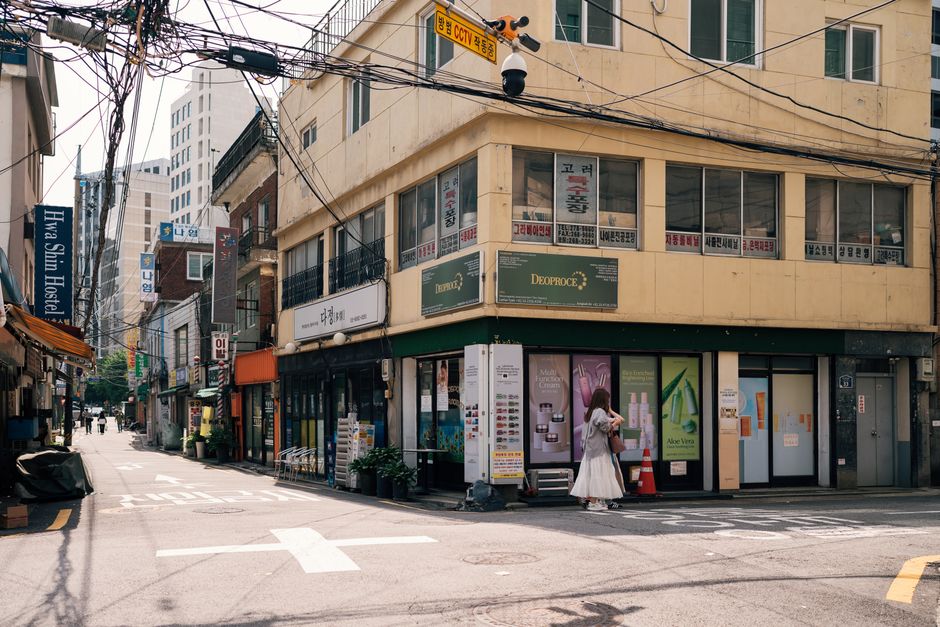
Once you’ve selected your clinic, the next step is planning your trip logistics, with a strong focus on your recovery. This isn't a typical vacation; your comfort and ability to rest will directly impact your healing process. You'll want to think about your stay duration, where you'll stay, and how you’ll get around.
* **Stay Duration**: For a breast lift, a typical stay in Korea ranges from 10 to 14 days. This allows enough time for the initial swelling to subside, for your surgeon to perform essential follow-up checks, and potentially to remove any non-dissolvable stitches. You'll have sufficient time to get comfortable and receive post-operative care instructions before your journey home. Some patients opt for a longer stay, up to three weeks, especially if they are combining procedures or prefer a more relaxed recovery period.
* **Accommodation**: Choose accommodation that prioritizes comfort, accessibility, and cleanliness. A hotel or serviced apartment near your clinic or with easy access to it (via taxi or subway) is ideal. You'll want amenities like a comfortable bed, perhaps a small kitchen to prepare light meals, and easy access to necessities without too much walking. Think quiet neighborhoods over bustling tourist areas for the first week. Areas like Gangnam, Apgujeong, or Sinsa-dong are popular for clinics and offer a range of comfortable accommodation options.
* **Travel and Mobility**: Plan your flights and ground transportation carefully. You'll likely be sore and tired after surgery, so direct flights are preferable. Consider booking airport transfers in advance to avoid stress upon arrival and departure. Taxis or ride-sharing apps will be your best friends for clinic visits during recovery. While Seoul's subway system is excellent, navigating it with post-operative discomfort might be challenging initially. For your flight home, loose, comfortable clothing and supportive compression garments will be essential, and you may want to request a bulkhead or aisle seat for more space and easier movement.
* **Support System**: Ideally, travel with a companion who can help you during your immediate recovery. If traveling alone, consider arranging for a medical concierge service or ensuring your accommodation offers some support. You’ll need help with simple tasks like reaching overhead items, preparing food, and getting dressed. This is where a little extra planning goes a long way to ensure your recovery is as smooth as possible.
Final Thoughts
Embarking on a medical journey like a breast lift in Korea is a significant step, and I hope this honest guide gives you the clarity and confidence you need. Remember, the goal isn't just a successful surgery, but a safe, well-planned experience that leads to lasting satisfaction. By prioritizing thorough research, transparent communication, and realistic expectations, you're setting yourself up for the best possible outcome. Making an informed decision is the most powerful tool you have. Happy planning, and may your journey be smooth and rewarding!