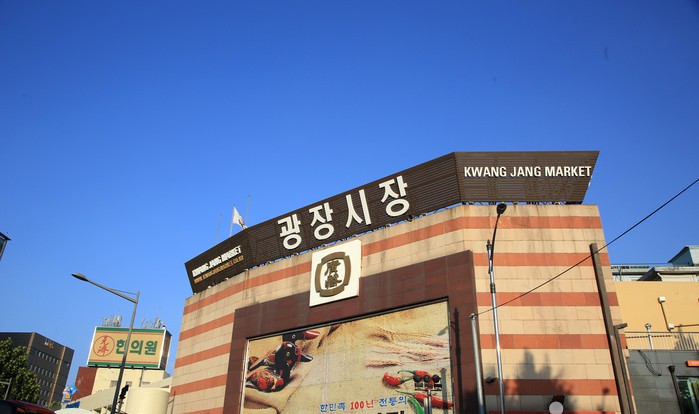
Authentic Korean Food: Beyond Markets in Seoul
When you think of Korean food, vibrant markets like Gwangjang Market often come to mind, bustling with delicious street food and an electric atmosphere. And while those experiences are definitely a must-try, you might be wondering if there's more to discover—a deeper dive into Korea's rich culinary heritage.
You're looking for that authentic taste, perhaps even a connection to where your food comes from, maybe even local farmers. It's a common and wonderful curiosity, especially for first-time visitors who want to move beyond the usual tourist spots.
This guide is for you if you're ready to explore Seoul's food scene in a more meaningful way, seeking out genuine flavors and experiences that tell a story. Let's uncover some of the city's hidden culinary gems together.
Beyond the Big Name Markets: Where Can I Really Taste Seoul's Culinary Roots?
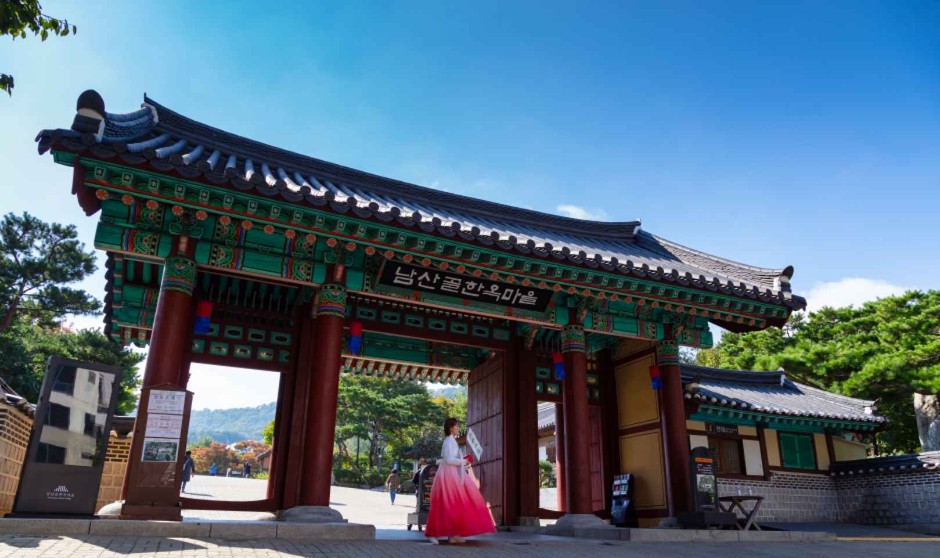
It's easy to get swept up in the energy of Gwangjang or Myeongdong, but for a true taste of Seoul's culinary roots, you'll want to explore areas that have preserved traditional dining culture. Think less about vast, sprawling markets and more about intimate, specialty neighborhoods or restaurants with deep histories.
For example, neighborhoods like Insadong or Samcheongdong offer a different pace. You'll find traditional Korean restaurants (한정식, hanjeongsik) serving multi-course meals that showcase the balance and artistry of Korean cuisine. These aren't just meals; they're cultural experiences, because the presentation and variety of side dishes (반찬, banchan) are as important as the main course. You might pay a bit more, with set menus often ranging from 30,000 to 80,000 KRW per person, but you're paying for quality ingredients and a connection to culinary traditions.
Another authentic option is to seek out a cooking class. Many cultural centers and specialized studios offer classes focused on traditional dishes, often starting with a market visit to pick ingredients. This is a fantastic way to understand the components of Korean flavors, because you get hands-on experience and learn techniques directly. Prices for these classes typically range from 70,000 to 120,000 KRW, depending on the duration and menu.
How Can I Connect with Local Farmers and Fresh Ingredients in Seoul?
While Seoul is a massive metropolis, it does have pockets where you can feel closer to the source of your food. Directly interacting with farmers might be less common than in rural areas, but you can still find markets that emphasize fresh, locally-sourced produce.
Many apartment complexes and community centers host small, weekly farmers' markets. These are often less commercial than tourist-focused markets and offer a chance to buy seasonal produce directly. Look for signs advertising '농부의 시장' (nongbu-ui sijang) or '로컬푸드 마켓' (local food market). Because these markets prioritize freshness and often support smaller producers, you'll find unique, seasonal ingredients you might not see in larger supermarkets. Prices are generally competitive, and you're supporting local agriculture.
For a broader experience, consider visiting larger wholesale markets that supply many restaurants but also welcome individual buyers. While not directly 'farmers,' places like Garak Market (가락시장) offer an incredible glimpse into the scale and variety of fresh produce, seafood, and other ingredients that fuel Seoul's culinary scene. You'll want to go early in the morning for the freshest selection, as many vendors pack up by midday. It’s a sensory overload in the best way, showing you the raw materials of Korean cooking.
When you see 'GAP' labels on produce, it signifies Good Agricultural Practices, indicating products that meet certain safety and quality standards, as certified by bodies like the Ministry of Agriculture, Food and Rural Affairs (https://www.mafra.go.kr/english/main.jsp).
What Are Some Authentic Korean Dishes Beyond BBQ and Kimchi I Should Try?
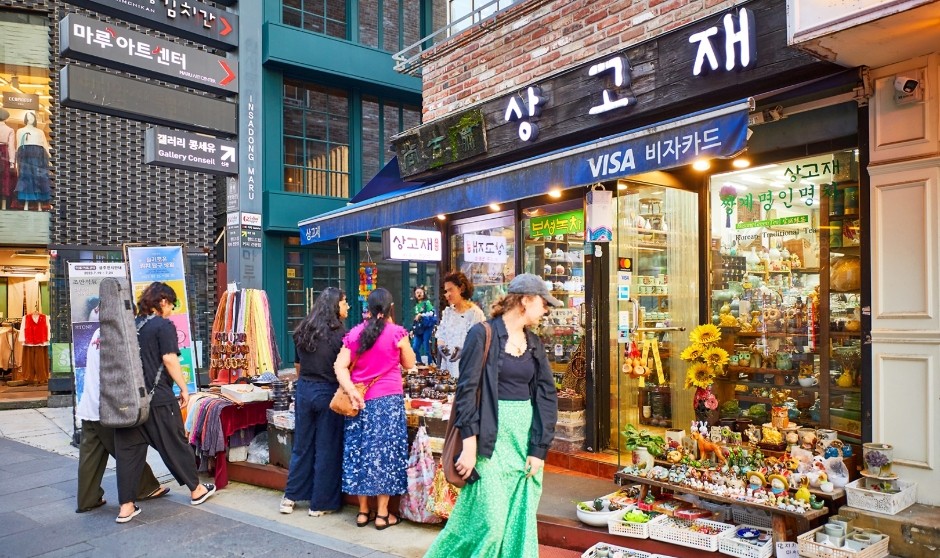
Kimchi and Korean BBQ are fantastic, but Korea's culinary landscape is vast and diverse. To truly appreciate authentic flavors, you'll want to venture into dishes that might not be on every tourist menu, but are deeply cherished by locals. These often highlight seasonal ingredients or regional specialties.
Consider trying 'gamjatang' (감자탕), a hearty pork backbone stew. It's a rich, spicy, and deeply savory dish, often served in a large pot for sharing, perfect for a cool evening. The 'why' is in its comfort food status – it's a dish often enjoyed with friends and family, known for its satisfying depth of flavor. You'll find specialized gamjatang restaurants in many neighborhoods, often open late.
Another authentic experience is 'bibimbap' (비빔밥) from Jeonju, a city famous for its version. While bibimbap is everywhere, seeking out a restaurant that specializes in the Jeonju style (often featuring specific ingredients like Hwangpo muk, a jelly made from mung bean starch) offers a distinct, elevated experience. This allows you to taste a dish with a particular regional identity, because regional variations often reveal different culinary philosophies.
Don't overlook 'gukbap' (국밥), which means 'soup with rice.' There are countless variations, like 'sundae gukbap' (blood sausage soup) or 'dwaeji gukbap' (pork soup). These are simple, comforting, and often incredibly flavorful, providing a glimpse into everyday Korean dining. The beauty of gukbap lies in its simplicity and the ability to customize it with condiments at the table, reflecting a very personal approach to eating.
Are There Food Experiences That Combine Korean Culture and Cuisine?
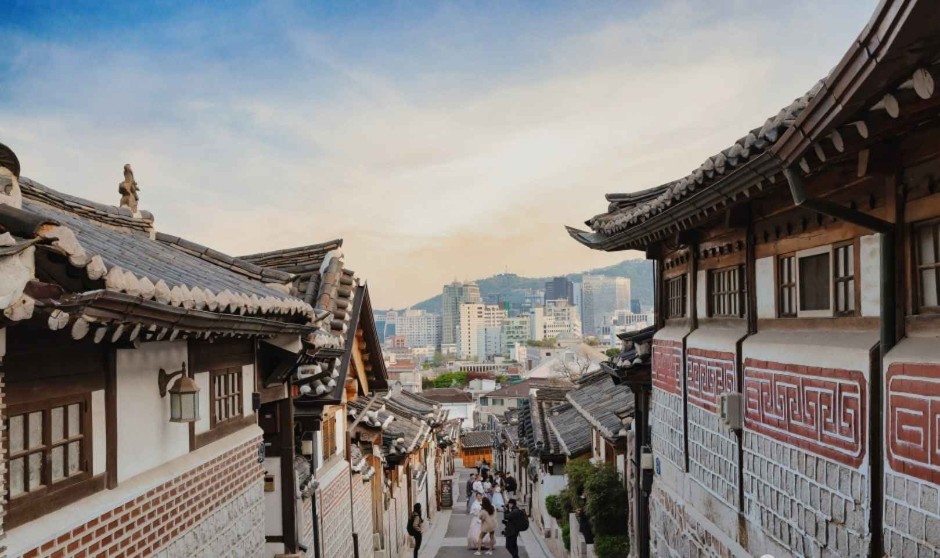
Absolutely! Korea offers beautiful ways to blend your culinary exploration with cultural immersion. These experiences provide not just a meal, but a deeper understanding of the traditions and philosophies behind the food.
Temple food (사찰음식, sachal eumsik) is a unique and profound experience. Prepared according to Buddhist principles, it emphasizes seasonal vegetables, natural flavors, and avoids meat, fish, and strong spices like garlic or onion. You can find restaurants specializing in temple food, or even participate in temple stay programs that include meals. The 'why' here is to experience a cuisine focused on balance, mindfulness, and the inherent taste of ingredients, offering a stark contrast to more robust Korean flavors.
Another culturally rich option is to experience traditional Korean tea ceremonies, often accompanied by 'tteok' (떡, rice cakes) or 'hangwa' (한과, traditional Korean confectionery). Places like Bukchon Hanok Village or Insadong have traditional tea houses where you can sit on floor cushions, sip various traditional teas, and enjoy delicate sweets. This is more than just a snack; it's an opportunity to slow down and appreciate a refined aspect of Korean culture, because the ritual of tea-drinking is deeply embedded in social customs.
Many cultural centers also offer workshops on making traditional Korean sweets or fermented foods like gochujang (고추장, chili paste) or doenjang (된장, soybean paste). These hands-on activities teach you about the foundational elements of Korean cuisine and the importance of fermentation, which is a cornerstone of Korean flavors.
How Do I Navigate Seoul's Food Scene and Avoid Tourist Traps for a Truly Authentic Taste?
It's completely normal to feel a bit overwhelmed by the sheer number of dining options in Seoul. To ensure you're getting an authentic experience and not just a tourist-centric version, here are some practical tips to help you navigate.
First, always look for queues of locals, especially during lunch or dinner hours. This is often the best indicator of a good, authentic restaurant, because Koreans know good food! If you see a place packed with locals, it's usually a safe bet for quality and taste. Second, utilize local navigation and review apps like Naver Maps or KakaoMap. While mostly in Korean, their star ratings and review photos can guide you to highly-regarded establishments. You can often filter by specific dishes or neighborhoods, which is helpful because they reflect genuine local preferences rather than tourist marketing.
Don't be afraid to wander off the main streets. Many of the best, most authentic eateries are tucked away in side alleys or less prominent corners. The 'why' here is that these often cater to a local clientele and have maintained their original flavors over many years, without needing flashy storefronts or English menus. When you do find a place, check the operating hours; many traditional restaurants have specific lunch and dinner breaks, or are closed on certain days.
Finally, don't be shy about asking for recommendations. While direct interaction might be a language barrier, pointing to a dish someone else is eating and saying '이거 주세요' (igeo juseyo, 'give me this') is a perfectly acceptable way to order. This is a great way to try something you might not have considered, because locals often order the restaurant's best or most popular dish.
Final Thoughts
Seoul's culinary scene is an adventure waiting to be explored, far beyond just the well-trodden paths. By focusing on traditional experiences, seeking out local ingredients, and being a little adventurous, you'll uncover a side of Korean food that is deeply authentic and incredibly rewarding.
Remember, your ideal food journey in Seoul is unique to you. Don't be afraid to step off the beaten path and savor the rich, diverse flavors that make Korean cuisine so special. Happy eating!
Ready to tailor your Korean adventure to your unique palate?
Find your perfect travel style and discover personalized recommendations for your trip to Korea.
Find your Korea travel style →