Seoul Solo Trip at 18: Safe 10-Day Korea Guide
Taking your first solo international trip is a massive step, and at 18, it's an incredibly exciting one! You're likely buzzing with anticipation but also have a few questions rolling around: Is South Korea really as safe as everyone says? How will you manage everything on your own for 10 days, especially in a city as huge as Seoul? You're not alone in these thoughts, and it’s completely normal to feel a mix of excitement and a little bit of nerves.
That's exactly why I'm here to help. As your editor, I want to give you an honest, practical roadmap for a memorable and secure 10-day solo adventure in Seoul. We'll cover everything from getting around to finding safe places to stay, and most importantly, how to confidently explore the vibrant culture that awaits you. You'll soon see why so many travelers fall in love with this dynamic city.
Is Seoul Really Safe for a Young Solo Traveler?
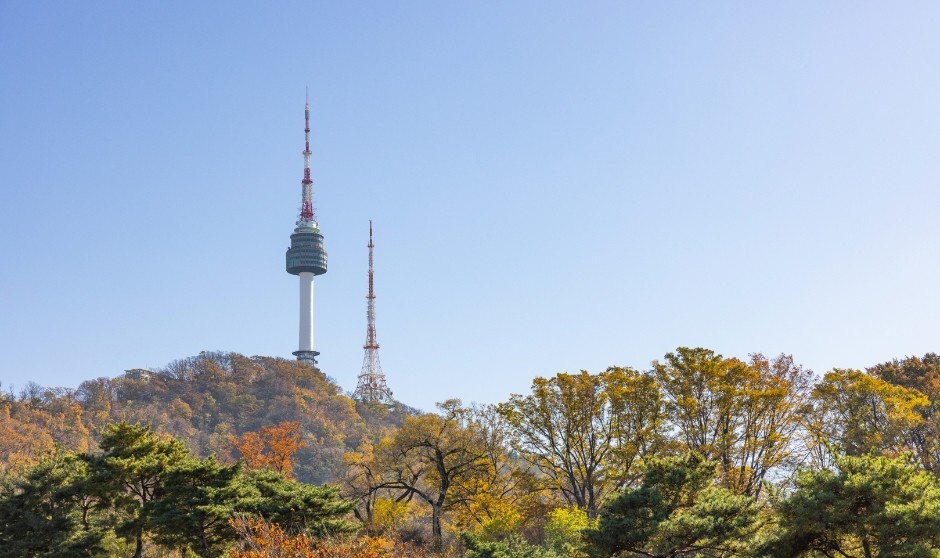
One of the biggest concerns for any solo traveler, especially someone on their first big trip at 18, is safety. You'll be happy to know that South Korea consistently ranks among the safest countries in the world, with remarkably low crime rates. For example, the homicide rate in South Korea was 0.6 per 100,000 people in 2023, significantly lower than many Western countries (Statistics Korea, https://kostat.go.kr).
However, 'safe' doesn't mean 'carefree.' You'll still want to stay aware of your surroundings, just like you would in any major city. For instance, always keep an eye on your belongings in crowded areas like subway stations or popular markets, because pickpocketing, while rare, can still happen. When you're out late, especially in entertainment districts, it's always a good idea to stick to well-lit, busy streets. This isn't because Seoul is dangerous, but because exercising general caution is smart travel practice, no matter where you are.
Another thing that contributes to a sense of safety is the city's excellent public transportation system, which runs late and is incredibly well-monitored. This means you can get back to your accommodation safely even after a late dinner or concert. You'll find that Koreans are generally very respectful and helpful, which adds to the friendly atmosphere you'll experience.
Where Can I Stay That's Safe and Won't Break My Budget?
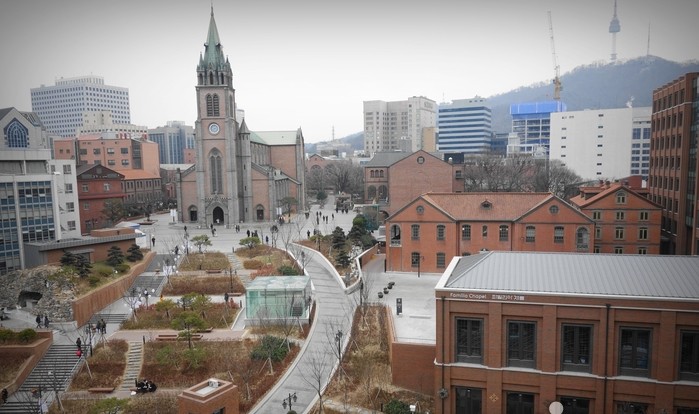
Finding the right place to stay is crucial for your comfort and budget. For a young solo traveler, hostels and guesthouses are fantastic options, and you'll find plenty of high-quality ones in Seoul. They're not only budget-friendly but also great places to meet other travelers, which can be reassuring on a solo trip. You'll want to choose a place that has good reviews for cleanliness, security (like lockers for your valuables), and a central location with easy access to public transport.
Consider neighborhoods like Hongdae, which is known for its youthful energy, street performances, and excellent public transport links. It's a vibrant area, so you'll always feel like there's something going on, which can be comforting for a solo adventurer. Another great option is Myeongdong, a bustling shopping district that's also very central and well-connected. While slightly pricier, it offers incredible convenience and a lively atmosphere until late in the evening. You'll appreciate being able to walk to dinner or shopping without worrying about long commutes.
When booking, always check if they offer female-only dorms if that makes you feel more comfortable. This is a common feature in Korean hostels, and it can add an extra layer of peace of mind. Make sure to read recent reviews, especially those from other solo travelers, to get a real sense of the vibe and security.
How Do I Get Around Seoul Without Getting Lost?
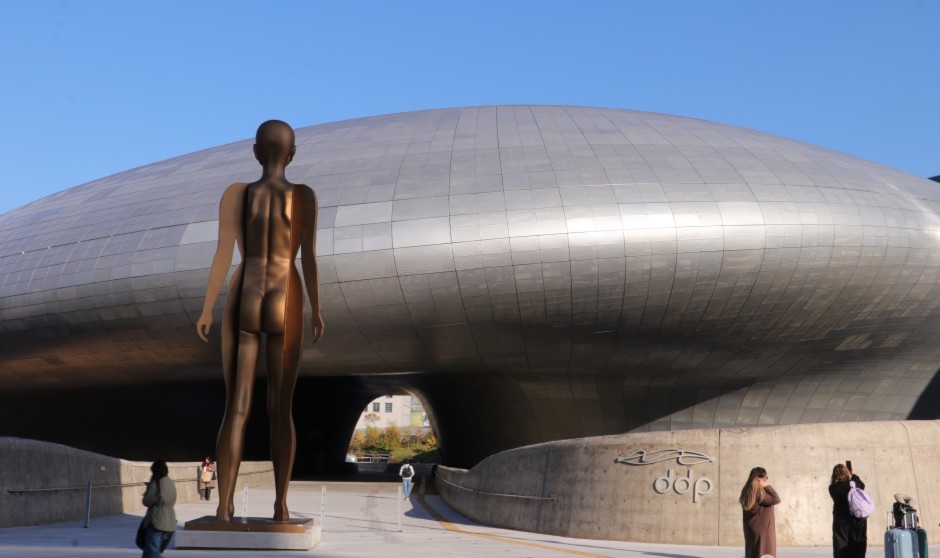
Navigating a new city can seem daunting, but Seoul's public transportation system is one of the best in the world, making it incredibly easy to get around. You'll primarily rely on the subway, which is efficient, clean, and has extensive English signage. Each line is color-coded, and stations are numbered, so you can easily follow directions. You'll want to purchase a T-Money card (a rechargeable transportation card) as soon as you arrive, usually available at convenience stores or subway stations. This card works on subways and buses, making your travels seamless.
To avoid getting lost, your smartphone will be your best friend. While Google Maps isn't always reliable in South Korea due to local mapping restrictions, Naver Maps and Kakao Maps are incredibly accurate and user-friendly. You'll need an internet connection to use them effectively, so getting an eSIM or a portable Wi-Fi device is a must (more on that later). These apps provide real-time public transport information, walking directions, and even taxi estimates. You'll want to use them to plan your routes beforehand, which helps you feel more confident about where you're going and why you're choosing a particular line or bus.
Don't be afraid to ask for help if you get turned around. Most younger Koreans have some English proficiency, and even if they don't, they'll often try their best to assist you. You'll find that people are generally very patient and understanding with tourists, especially when you're making an effort to navigate their city.
What Are the Must-Dos for a 10-Day Trip, and How Can I Experience Culture?
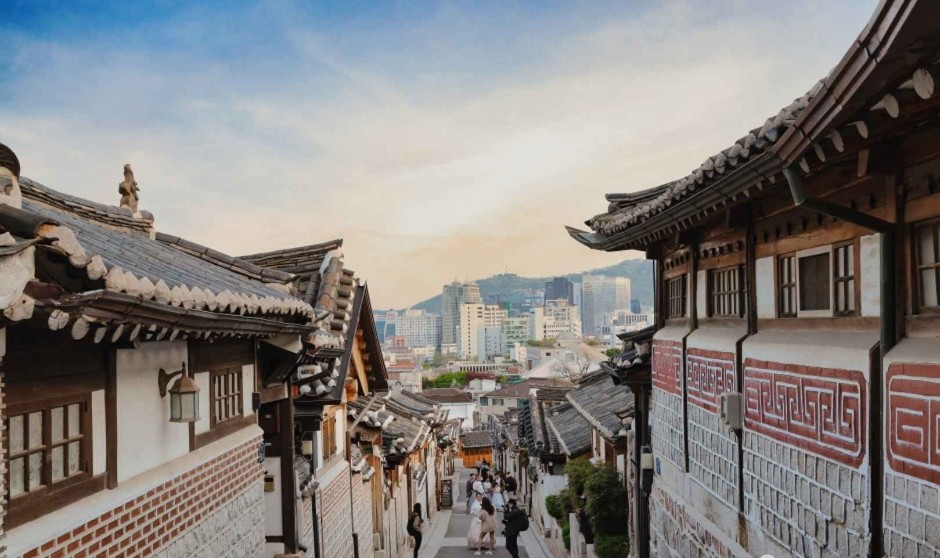
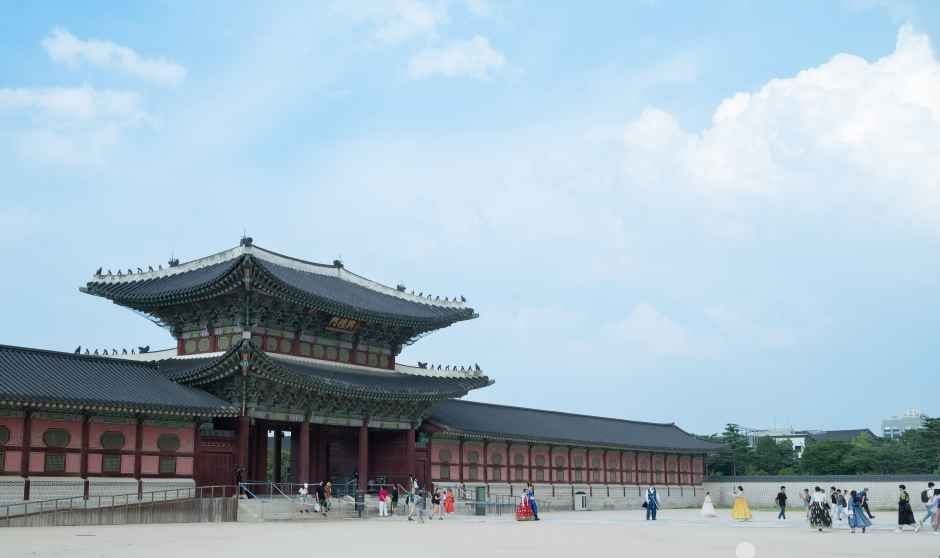
With 10 days, you have a fantastic amount of time to truly immerse yourself in Seoul! You'll want to mix iconic historical sites with modern culture, giving you a well-rounded experience. Start with the grandeur of Gyeongbokgung Palace, the largest of the Five Grand Palaces built during the Joseon Dynasty, and then wander through the traditional Hanok houses of Bukchon Hanok Village nearby. These offer a beautiful glimpse into Korea's past, and you'll understand why these places are so cherished.
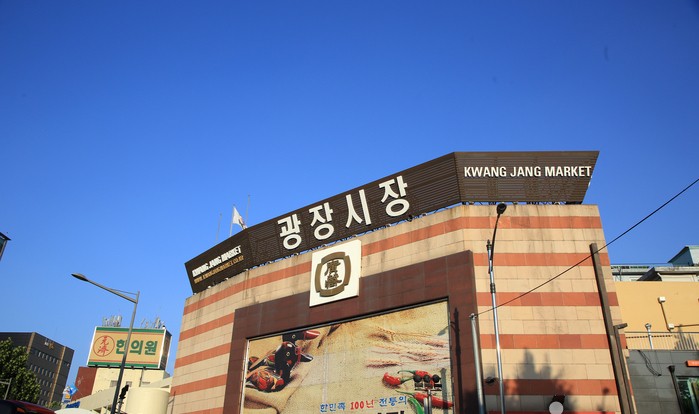
For a taste of contemporary Seoul, dedicate time to exploring districts like Hongdae, famous for its indie music scene, cafes, and vibrant street art, and Gangnam, known for its upscale shopping and K-pop influences. You might even find some K-pop idol merchandise or attend a fan event if you're lucky! You'll love experiencing the unique cafe culture too; Seoul has countless themed cafes, each with its own charm. Visiting Gwangjang Market is a must for foodies, where you can sample delicious street food like bindaetteok (mung bean pancake) and tteokbokki (spicy rice cakes) in a lively atmosphere.
Consider dedicating one of your days to a day trip outside Seoul. Nami Island, famous for its tree-lined paths, or the Garden of Morning Calm offer beautiful natural escapes that are easily accessible by public transport. You'll appreciate the change of scenery and the chance to see more of Korea's diverse landscapes.
What About Money, Food, and Staying Connected When Traveling Solo?
Budgeting for a 10-day trip is essential. You'll want to account for accommodation (around $30-50 USD/night for a good hostel), food (roughly $30-50 USD/day, depending on your choices), transportation, and activities. ATMs are widely available, but it's always a good idea to notify your bank before traveling so your card isn't blocked. Credit cards are accepted almost everywhere, but having some Korean Won (KRW) cash for street food vendors or smaller shops is very useful. As of 2026, the average exchange rate is around 1,350 KRW to 1 USD, but you'll want to check the latest rates upon arrival (Bank of Korea, https://www.bok.or.kr).
Eating solo in Korea is incredibly common and perfectly comfortable. You'll find plenty of restaurants with single-person tables, and many dishes are served individually, like bibimbap or stews. Don't be shy about trying street food; it's delicious, affordable, and a huge part of the local experience. You'll quickly discover that many Korean restaurants focus on efficiency and delicious food, not on how many people are in your party.
Staying connected is vital for safety, navigation, and sharing your adventures. You'll want to get an eSIM (digital SIM card) or rent a portable Wi-Fi device (often called a 'pocket Wi-Fi') at the airport upon arrival. An eSIM is usually the most convenient option, as you can often activate it before you even land. This ensures you have constant access to maps, translation apps, and emergency contacts, which is incredibly reassuring for a solo traveler.
Final Thoughts
Embarking on your first solo trip to Seoul at 18 is an adventure you'll never forget. With a little planning and these practical tips, you'll be well-equipped to navigate the city safely, respectfully, and with a confident spirit. You'll discover a country that's welcoming, vibrant, and full of incredible experiences waiting to be uncovered. Trust your instincts, be open to new experiences, and allow yourself to get wonderfully lost in the magic of Seoul. Your 10-day journey is going to be amazing!
But wait, how do you discover *your* perfect Seoul itinerary?
Unsure about your travel style? Take our quick quiz to find out which Korea trip is meant for you!
Find your Korea travel style →