Solo Vegetarian Budget Travel in Seoul: Honest Guide
Seoul is an incredible city, bursting with vibrant culture, delicious food, and endless things to see and do. But if you're planning to visit solo, stick to a vegetarian diet, and manage a tight budget, you might be feeling a little overwhelmed.
You're probably wondering, 'Can I really experience the best of Seoul without spending a fortune or constantly worrying about what I can eat?' It's a completely valid concern, especially since traditional Korean cuisine is often meat and fish-broth heavy.
Well, I'm here to tell you, it's absolutely doable! While it might require a bit more planning than for an omnivore, Seoul has become increasingly welcoming to vegetarian travelers. This guide will walk you through how to eat well, explore efficiently, and stay safe in Seoul, all while keeping your wallet happy. Let's make sure your trip is filled with delicious discoveries and memorable moments.
Is it really hard to find vegetarian food in Korea?
It's true that historically, finding strictly vegetarian food in Korea could be a challenge. Many traditional dishes, even those that appear vegetable-based, often use meat or anchovy broth (멸치 육수, myeolchi yuksu) as a base, or include small pieces of meat or seafood. However, the good news is that Seoul has seen a significant increase in vegetarian and vegan-friendly options, especially in the last few years. This shift is due to growing local awareness and a rising number of international visitors.
To make your life easier, you'll want to learn a few key Korean phrases. '채식주의자입니다 (chaesikjuuija-imnida)' means 'I am a vegetarian'. If you want to specify no meat, you can say '고기 빼주세요 (gogi ppaejuseyo)' for 'please remove meat', and '생선 빼주세요 (saengseon ppaejuseyo)' for 'please remove fish'. It's always best to be clear, because sometimes 'vegetarian' is interpreted as simply 'no red meat'.
You'll find dedicated vegan and vegetarian restaurants, especially in trendy areas like Hongdae, Itaewon, and Gangnam. These establishments are generally very clear about their ingredients. Temple food (사찰음식, sachal eumsik) is another excellent option; it's traditionally vegan as Buddhist monks do not consume any animal products or even pungent vegetables like garlic and onions. You can experience this at places like Balwoo Gongyang or a temple stay near the city, though these can be on the pricier side.
Where can I eat delicious vegetarian meals without breaking the bank?
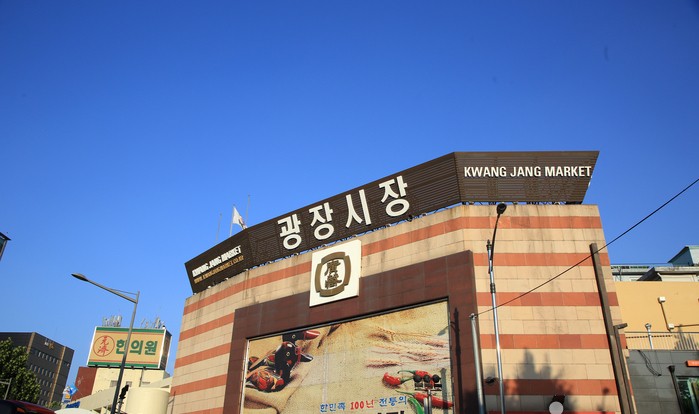
Eating on a budget as a vegetarian in Seoul requires a bit of savvy, but it's totally achievable. University areas are your best friend here because they cater to students who need affordable and filling meals. Look around districts like Hongdae, Sinchon, Ewha Womans University, and Konkuk University; you'll find numerous small eateries with budget-friendly menus, and many are adapting to offer plant-based alternatives.
Street food can be a mixed bag. While delicious and cheap, it's crucial to ask about ingredients. Some safe bets include gyeranppang (egg bread – often plain, but check for cheese or ham additions), hodugwaja (walnut cakes), and certain types of tteokbokki (spicy rice cakes) if made without fish cake or anchovy broth. Always ask before you buy. A typical street snack might cost you KRW 3,000-7,000 (around USD 2.50-6.00).
For sit-down meals, look for bibimbap (비빔밥), but make sure to ask for it without meat and often, without egg if you're vegan. Many places are happy to accommodate. Kimbap (김밥) is also a great budget choice; you can find vegetable kimbap (야채 김밥, yachae kimbap) which is usually very safe. Expect a meal at a casual restaurant to be around KRW 8,000-15,000 (around USD 7.00-12.00).
Don't forget convenience stores (like GS25, CU, 7-Eleven)! They have a surprisingly good selection of vegetarian-friendly instant foods, salads, fresh fruit, and soy milk, perfect for a quick, cheap breakfast or late-night snack. They often have microwave ovens available for public use. According to the Korea National Statistical Office (https://kostat.go.kr), the average price of basic food items remains quite stable, making convenience stores a reliable budget option.
How can I navigate Seoul solo without feeling overwhelmed or spending too much?
Navigating Seoul on your own is incredibly easy and surprisingly affordable, thanks to its world-class public transportation system. The subway is your best friend – it's efficient, clean, and covers virtually every corner of the city. You'll want to purchase a T-Money card upon arrival. These reloadable cards can be bought at convenience stores or subway stations, and an initial card costs around KRW 2,500-3,000 (approx. USD 2-2.50). Each subway ride typically costs KRW 1,250-1,450 (approx. USD 1.00-1.20) depending on distance (Seoul Metropolitan Government, https://english.seoul.go.kr), which is incredibly budget-friendly for a major capital.
Walking is also an excellent way to explore, especially within neighborhoods. Many of Seoul's most charming areas, like Bukchon Hanok Village or Ikseon-dong, are best experienced on foot, allowing you to discover hidden alleys and unique shops.
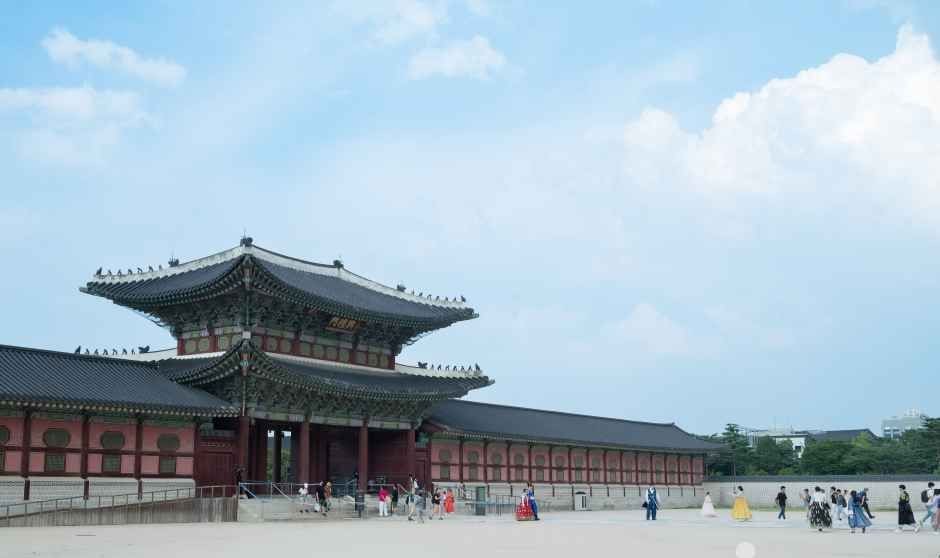
For free or low-cost activities, Seoul offers a wealth of options. Most of the major palaces (Gyeongbokgung, Changdeokgung) offer free entry on specific days or for wearing a hanbok (traditional Korean dress), and walking around their exteriors is always free. Many public parks, such as Seoul Forest or Olympic Park, are beautiful and free to enter. The National Museum of Korea (https://www.museum.go.kr) offers free admission to its main exhibition halls, providing a deep dive into Korean history and art without any cost.
What about staying connected and safe on a budget?
Staying connected in Seoul is essential for solo travelers, not just for sharing your adventures but also for navigation and safety. The most budget-friendly way is often an eSIM or a local prepaid SIM card. Companies like Airalo (https://www.airalo.com) offer various eSIM packages, with a typical 7-day, 1GB plan costing around USD 5-10. This ensures you have data for maps, translation, and communication without relying solely on Wi-Fi.
Speaking of Wi-Fi, Seoul boasts an extensive network of free public Wi-Fi spots, particularly in subway stations, public spaces, and cafes. You'll often find yourself automatically connected, which helps conserve your data. However, remember that public Wi-Fi isn't always secure, so avoid accessing sensitive information.
Seoul is generally an incredibly safe city, even for solo travelers, including women. The crime rate is remarkably low (Ministry of Justice, Republic of Korea, https://www.moj.go.kr), and public areas are well-lit and often monitored. That being said, common sense still applies. Stick to well-trafficked areas, especially at night, and always be aware of your surroundings. Sharing your itinerary with a trusted friend or family member back home is always a good practice, and consider carrying a portable power bank for your phone so you're never caught with a dead battery.
Are there any hidden gems for budget-conscious solo travelers?
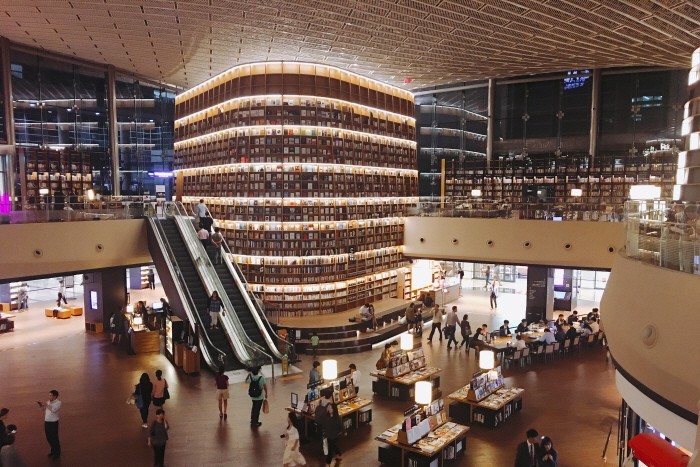
Absolutely! Beyond the popular sights, Seoul hides a treasure trove of budget-friendly experiences perfect for solo exploration. Instead of spending money on expensive attractions, you can immerse yourself in unique cultural spaces that won't cost you a penny.
One such gem is the Starfield Library (별마당 도서관) in COEX. It's a breathtaking public library within a shopping mall, known for its towering bookshelves and stunning architecture. It’s completely free to enter, a fantastic spot for people-watching, relaxing with a book, or just enjoying the magnificent space. It's one of those places that genuinely feels magical, and you don't need to buy anything to enjoy it.
Explore Seoul's charming, less-trafficked neighborhoods. Ikseon-dong Hanok Village offers traditional Korean houses converted into cafes and boutiques, which you can wander through for free, soaking in the atmosphere. The Ihwa Mural Village, though a bit of a hike, provides colorful street art and panoramic city views, making for great photo opportunities without an entrance fee. You'll want to check the specific opening hours and access details for these areas, as some parts are residential.
Many university campuses, such as those of Ewha Womans University, offer beautiful architecture and serene green spaces that are open to the public. You can simply wander around, enjoy the youthful energy, and maybe grab a cheap coffee from a student cafe. These areas are fantastic for feeling the pulse of local life without any financial outlay.
Final Thoughts
Embarking on a solo, vegetarian, and budget-conscious journey through Seoul might seem daunting at first, but as you can see, it's an incredibly rewarding way to experience the city. You'll discover hidden culinary delights, navigate like a pro, and create memories that are uniquely yours. The key is to embrace the planning, be open to local discoveries, and enjoy the freedom that solo travel offers.
Seoul is waiting to surprise and delight you, even on a shoestring budget and with specific dietary needs. I hope this guide helps you feel more confident and excited about your upcoming adventure!
Ready to dive deeper into planning your ideal trip? Discover your unique Korea travel style with our interactive quiz!
Find personalized recommendations for accommodations, activities, and dining.
Find your Korea travel style →