Seoul Food Guide: Why You'll Return for Korean Cuisine
You've landed in Seoul for a work trip, probably with a packed schedule and tight deadlines. You might be staying in a business district, rushing from meeting to meeting. But then, it hits you – the aroma of sizzling bulgogi, the vibrant colors of banchan, the comforting warmth of a good sundubu jjigae. Suddenly, your business trip feels like a tantalizing preview of a full-blown culinary adventure, and you're already wondering how to squeeze in more, or better yet, plan an entire return trip dedicated solely to Korean food.
It's a common experience, and honestly, we completely get it. Korean cuisine isn't just about sustenance; it's a profound cultural immersion that engages all your senses. You're not alone in feeling that pull to explore beyond the conference room. So, if you're finding yourself captivated by Seoul's food scene even while on the clock, you've come to the right place. This guide is for you, the working traveler whose taste buds have been awakened.
I'm so busy for work, how can I even begin to explore Seoul's food scene?
It might feel overwhelming, especially with a demanding work schedule, but don't worry, you absolutely can dive into Seoul's culinary delights even with limited time. The key is to leverage convenience and efficiency, because the city is designed for it. Think about quick, satisfying meals near your office or hotel. You'll find countless small eateries and street food vendors everywhere, offering delicious and speedy options for lunch or a late-night snack.
For example, instead of a formal sit-down restaurant, grab a gyeranppang (egg bread) or tteokbokki (spicy rice cakes) from a street vendor for a quick, authentic bite. Many office buildings have fantastic food courts with a huge variety of Korean dishes, allowing you to try different things without losing precious time traveling. You'll want to explore these spots, because they offer quick service and are usually very affordable, helping you experience a wide range of flavors without disrupting your work commitments. Many of these places are designed for locals on their lunch break, so you know they're efficient and tasty.
What are the absolute 'must-try' dishes I shouldn't miss on a short work trip?
When your time is limited, focusing on iconic dishes that are widely available and truly representative of Korean cuisine is your best bet. You'll want to prioritize experiences that give you a taste of the diverse flavors Korea offers. First up, don't miss out on Korean BBQ. Even if you can only do it once, it's an interactive and incredibly flavorful experience. Look for restaurants specializing in 'samgyeopsal' (pork belly) or 'galbi' (marinated ribs).
Another essential is 'bibimbap,' a colorful mixed rice dish often served in a hot stone bowl ('dolsot bibimbap'). It's wholesome, customizable, and a perfect example of balanced Korean flavors. For something comforting, try 'kimchi jjigae' (kimchi stew) or 'sundubu jjigae' (soft tofu stew), especially on a chilly evening. These stews are staples for a reason – they're hearty and packed with savory, spicy goodness. You'll understand why they are so beloved once you try them, because they offer a deep, authentic taste of Korean home cooking. These dishes are so popular that you will find them on almost every restaurant menu, making them easy to access.
Are there any food experiences I can realistically do after work or on a free evening?
Absolutely! Seoul truly comes alive in the evenings, offering fantastic food experiences that are perfect for unwinding after a long workday. You'll want to explore areas known for their vibrant nightlife and diverse dining options. Hongdae or Gangnam are excellent choices for trendy restaurants, cafes, and bars where you can enjoy dinner and perhaps some 'chimaek' (fried chicken and beer) – a beloved Korean pairing. These districts are well-connected by subway, making them easy to reach.
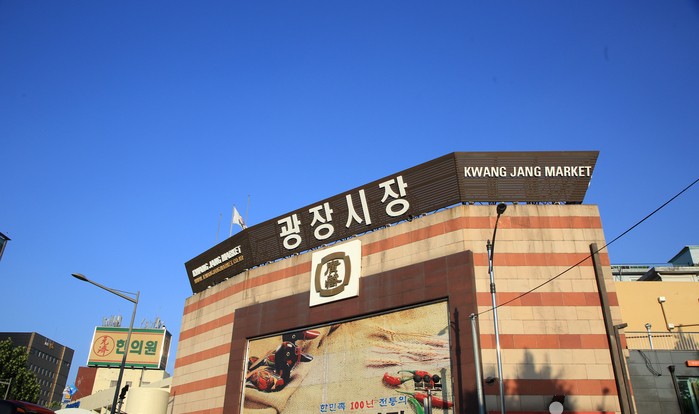
Another fantastic option is to visit a traditional market. Gwangjang Market, for instance, transforms into a bustling street food haven in the evenings, offering everything from 'bindaetteok' (mung bean pancakes) to 'mayak gimbap' (addictive mini gimbap). This gives you a chance to sample many different dishes in one go, because you can hop from stall to stall, trying small portions. It’s also a great way to experience the local atmosphere. You might also consider a 'pojangmacha' experience – these are street tents serving inexpensive drinks and food like 'soju' and 'anju' (drinking snacks). They offer a very authentic, casual Korean dining experience.
This food is so good, I want to come back just for it! How do I plan a real food-focused trip to Seoul?
It's a common declaration after experiencing Seoul's food – 'I need to come back!' And honestly, you should! Planning a dedicated food trip allows you to go beyond the basics and delve deeper into specific culinary regions or themes. You'll want to start by identifying your culinary interests: Are you a street food aficionado, a fine-dining enthusiast, a fan of traditional temple food, or perhaps looking for unique regional specialties? This will help you narrow down your itinerary.
Consider dedicating full days to specific food districts. For instance, a day could be spent exploring the traditional eateries and tea houses in Insadong, or the trendy cafes and bakeries in Hannam-dong. A key aspect of planning is transportation; Seoul's subway system is incredibly efficient for reaching different food destinations. You'll also want to look into booking unique experiences in advance, because popular cooking classes or specialty restaurant reservations can fill up quickly, especially during peak travel seasons. For up-to-date information on public transport and attractions, the Korea Tourism Organization (https://english.visitkorea.or.kr) is an excellent resource.
What unique Korean food experiences should I save for that next, dedicated trip?
For your return visit, you can really lean into more immersive and niche food experiences. You might want to consider a Korean cooking class. Many cultural centers and private studios offer hands-on lessons where you can learn to make kimchi, bulgogi, or bibimbap from scratch. This is a fantastic way to understand the ingredients and techniques, because it deepens your appreciation for the cuisine.
Another unique experience is trying temple food. Many temples, like Balwoo Gongyang, offer vegetarian meals based on traditional Buddhist practices, providing a calming and healthy culinary journey. You'll discover incredible flavors and ingredients you might not encounter elsewhere. For seafood lovers, a visit to Noryangjin Fisheries Wholesale Market is a must. You can pick out fresh seafood and have it prepared on the spot at one of the market restaurants. This is an incredibly fresh experience, because you're literally choosing your dinner right from the tanks. You could even explore regional specialties by taking a KTX train outside of Seoul to cities like Jeonju for its famous 'bibimbap' or Busan for fresh seafood, because each region boasts its own distinct culinary identity. The Korea Rail Network Authority (https://www.korail.com/en/main.do) provides schedules and booking for trains.
Final Thoughts
It's truly amazing how a work trip can unexpectedly ignite a passion for a country's cuisine, isn't it? Seoul's food scene is not just about eating; it's about connecting with culture, history, and community through incredible flavors. Whether you're squeezing in quick bites between meetings or meticulously planning your next dedicated food adventure, you're embarking on a journey that will delight your palate and create lasting memories. So, let that incredible Korean food inspire your future travels. You've already had a taste, and we know you'll be back for more.
Remember, the best way to explore Seoul's food is the one that feels right for you and your travel style.
Ready to turn that food obsession into your dream Korean adventure? Take our quick quiz to discover your personalized travel style and ideal itinerary!
Find out which Korea trip is perfect for you.
Find your Korea travel style →