Han River Overnight Camping Seoul: Complete 2026 Guide
Can you actually pitch a tent and sleep by the Han River in the middle of a 10-million-person city? It sounds almost too good to be true, and the honest answer is: sort of, but not exactly the way Instagram photos make it look.
You will find plenty of tents lining the riverbank on a warm evening, and that image alone is enough to make anyone want to book a flight and try it. But there is a real difference between setting up a sunshade tent for a few hours and legally sleeping overnight, and mixing the two up is the single most common mistake visitors make.
This guide walks you through what overnight Han River camping actually involves in 2026 - where it is genuinely allowed, what it costs, what to bring, and the honest limitations you should know before you plan a night on the water.
Is Overnight Camping Actually Allowed on the Han River?
This is the question you need answered first, because it changes your whole plan. The Han River runs through 11 public parks managed by the Seoul Metropolitan Government's Hangang River Project Headquarters, and the rules are not the same in every park.
In most of the 11 Hangang parks, small tents (the pop-up, sunshade-style kind) are allowed during the day, but you are required to take them down by a set evening curfew, typically in the 10 p.m. to midnight range depending on the park and season. That rule exists because the parks are shared public green space, not campgrounds, and the city needs walkways and lawns clear for cleaning and safety patrols overnight.
Genuine overnight sleeping is only permitted in designated auto-camping zones, and Nanji Hangang Park is the main one set up for this, with reservable camping sites you book in advance through the official Hangang park reservation system. Details on which parks currently allow which activities, plus exact curfew times, are published by the Hangang River Project Headquarters (https://hangang.seoul.go.kr), so it is worth checking the current notice before you build your whole night around it.
Which Han River Park Should You Actually Pick?
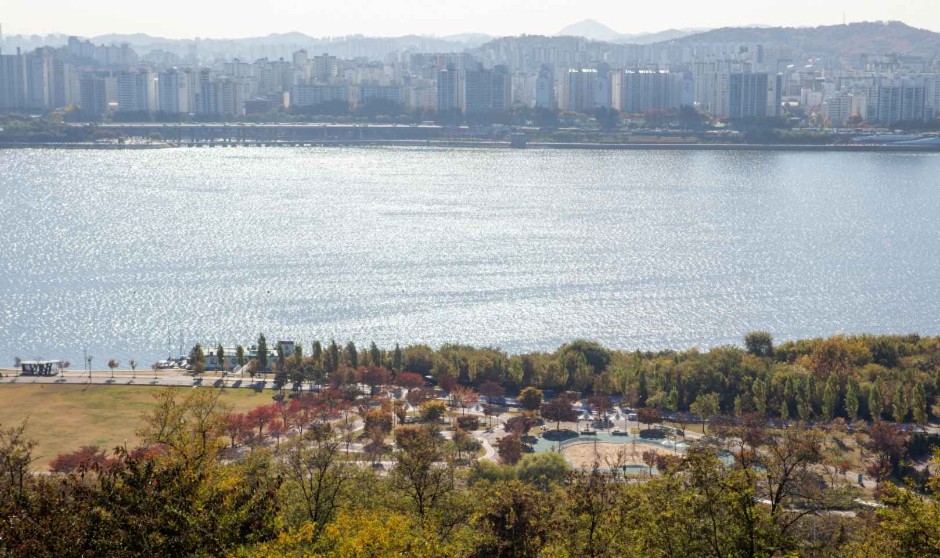
Not all 11 Hangang parks feel the same, and picking the wrong one is why some travelers end up disappointed. If your goal is an actual overnight stay, Nanji Hangang Park is your most reliable option because it has the formal camping infrastructure - marked sites, shared restrooms, and car access for people bringing larger gear.
If you would rather do a shorter evening session with skyline views and don't need to sleep there, Banpo or Yeouido tend to be the picks travelers mention most, mainly because of the Banpo Bridge Rainbow Fountain and Yeouido's proximity to Yeouido Hangang Park's convenience facilities. You trade the camping option for a much better view and easier transit.
Think about what you actually want from the night. A quiet, slower riverside evening with a real overnight stay points you toward Nanji. A shorter, social evening picnic with skyline views points you toward Banpo or Yeouido instead - and there is no wrong answer, just a mismatch if you plan for one and get the other.
What Gear Do You Need, and What Can You Rent There?
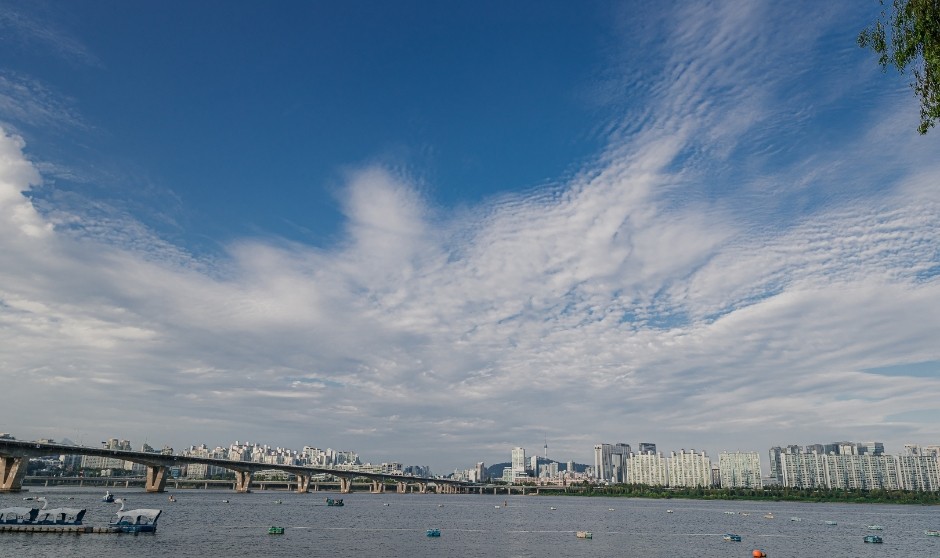
You do not need to fly in with a full camping kit, and honestly, you shouldn't try to - checked-bag camping gear is heavy and airlines charge for it. Several Hangang parks, including Yeouido Hangang Park, have on-site rental kiosks or nearby convenience stores that rent tents, mats, and folding chairs by the hour, which is why so many first-timers travel light and rent locally instead.
At minimum, plan to bring or rent: a tent rated for the season, a sleeping mat (the ground gets cold faster than you expect near the water, even in summer), a light blanket, bug spray, and a portable phone charger. Convenience stores (the ubiquitous 24-hour chains) are stationed near most park entrances and sell basic supplies, snacks, and instant food if you forgot something.
If you'd rather not deal with logistics at all, river cruise operators and outdoor activity platforms like Klook and Trazy list guided Han River experiences and gear rental packages that bundle transport and equipment together - useful if this is your only night for it and you don't want to spend it hunting for a rental kiosk. (This section contains an affiliate link; HealthTravelLab may earn a small commission at no extra cost to you if you book through it.)
How Do You Get There, and When Should You Go?
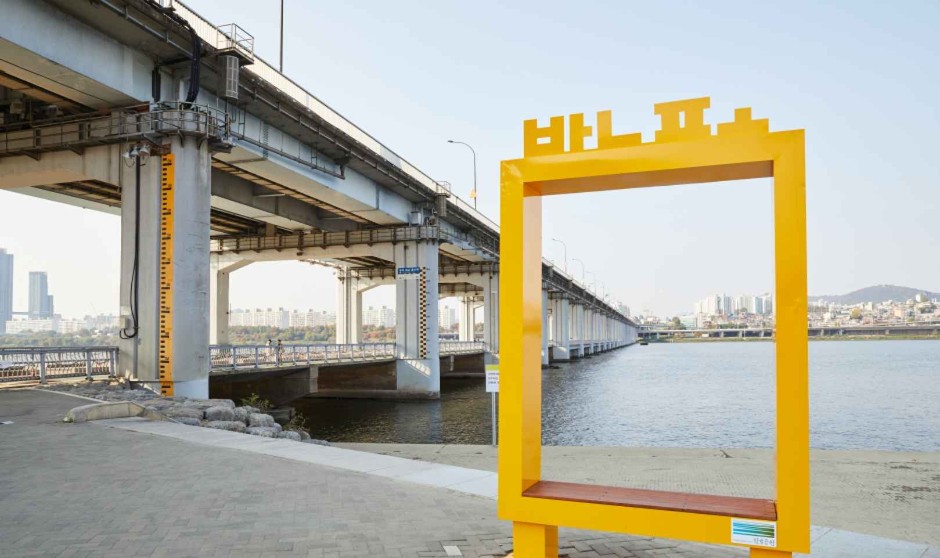
Every Hangang park sits near a subway station, which is one of the best things about Han River camping compared to camping trips elsewhere - you do not need a car. Ttukseom Hangang Park connects to Ttukseom Station on Line 2, Yeouido Hangang Park connects to Yeouido Station on Line 5 and 9, and Banpo Hangang Park is a walk from Express Bus Terminal Station. If you're heading to Nanji for an actual overnight stay, note that it is farther from the subway network than the others, so budget extra time or a short taxi ride from World Cup Stadium Station.
Timing matters more than people expect. Late spring (May) and early autumn (late September to October) give you the most comfortable overnight temperatures. Summer is popular for the social atmosphere but also Korea's monsoon season, and heavy rainfall or river-level rises can trigger park closures with little notice - the Korea Meteorological Administration (https://www.kma.go.kr) publishes real-time rain and flood advisories that the Hangang parks follow directly, so checking that forecast the same day is genuinely worth the two minutes it takes.
Weekday nights are dramatically quieter than weekends, which matters if your goal is actual sleep rather than a lively picnic scene next to you until 1 a.m.
What Should You Actually Watch Out For Overnight?
You'll want a realistic picture of what an overnight stay actually feels like, not just the pretty daytime photos. Riverside areas get noticeably colder and more humid after midnight even in warm months, so the sleeping mat and layers matter more than most first-timers plan for.
Public restrooms and washing facilities exist at every major Hangang park, but they are shared and can have lines late at night near the more popular sites, so factor that into where you set up rather than picking the spot farthest from any facility. Trash and recycling bins are provided, and leaving food waste or belongings behind is both against park rules and simply inconsiderate to the next visitor - Seoul's parks run on a shared-space assumption that everyone packs out what they bring.
Insect repellent is worth packing regardless of season, since the riverside grass areas attract mosquitoes especially at dusk. And if you are traveling solo, sticking to the more populated camping zones like Nanji's designated sites, rather than a quiet unofficial spot along the bank, is the more sensible call - the same general safety judgment you'd apply to any outdoor overnight stay in an unfamiliar city.
Final Thoughts
Overnight Han River camping is one of those Seoul experiences that rewards a little homework before you go. It is absolutely possible to fall asleep to city lights on the water, but the honest version of that experience means picking the right park, booking the right camping site if you actually plan to sleep there, and checking the forecast the same day.
What night by the river fits you best really depends on your own travel style - whether you're chasing a quiet overnight reset, a social evening picnic, or something in between. There is no single right way to do it, only the version that matches what you actually came to Seoul for.
Not sure whether you're the overnight-camping type or more of a skyline-picnic-and-head-back-to-your-hotel type?
Take a couple minutes to find your Korea travel style, and we'll point you toward the Han River experience that actually fits it.
Find your Korea travel style →