T-Money at the National Museum of Korea: Debit Card?
Can a subway top-up card really double as a debit card once you're inside the National Museum of Korea? If you've read that somewhere and felt confused, you're not alone, since it's one of the more common mix-ups first-time visitors have about T-money.
Here's the short answer: T-money is not a debit card in the legal sense. It's a rechargeable, prepaid stored-value card, similar to a subway fare card. But because it's accepted well beyond the subway gates, at some vending machines, convenience stores, and increasingly at cashless lockers inside museums and cultural sites, it can feel like a debit card for small, everyday spending.
This guide walks through exactly what T-money can and can't do at the National Museum of Korea, how to get one, and where the hidden debit card reputation actually comes from.
What Is T-Money, Really, and Why Do People Call It a Hidden Debit Card?
T-money started as Seoul's answer to a single fare card for buses and subway trains, and that's still its main job. According to the Korea Tourism Organization (https://english.visitkorea.or.kr), the card works across most public transit in the country, including subways, city buses, and many taxis, with fares simply deducted from the balance you've loaded onto it. A single subway ride in Seoul typically costs somewhere in the 1,400 to 1,550 KRW range, roughly 1 to 1.15 USD, once you tap in with T-money, usually a little cheaper than buying a single-journey paper ticket from the machine.
Where it starts to feel like a debit card is everything adjacent to transit. You can tap it at CU, GS25, and 7-Eleven convenience stores for small purchases, at many vending machines, and at some bakery chains and coin-free laundromats. None of that involves a bank account. You're just spending down a prepaid balance, the same way you would with a gift card.
That distinction matters. A real debit card is linked to your bank account and can usually be disputed if something goes wrong. T-money is closer to cash you've already committed to a card: fast and convenient, but not something your bank will help you recover if the card is lost.
Can You Actually Use T-Money Like a Debit Card at the National Museum of Korea?
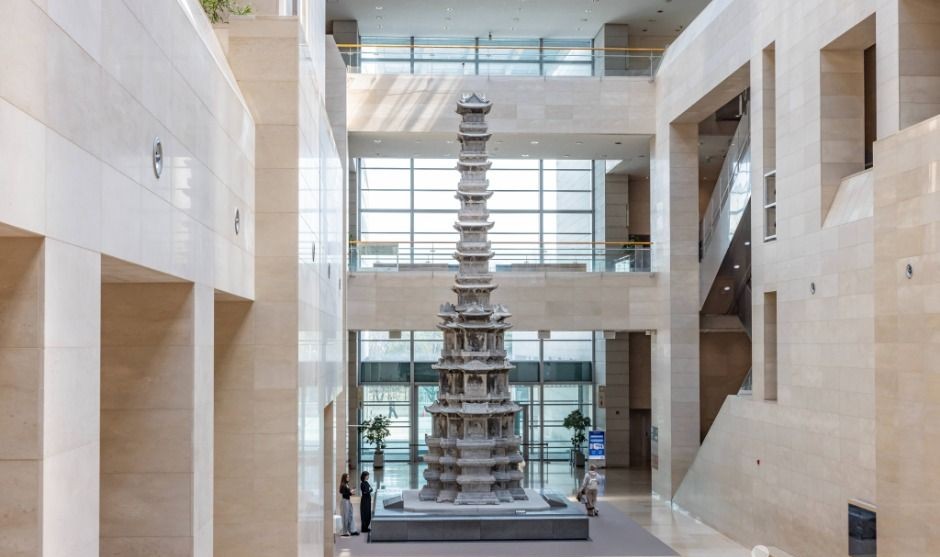
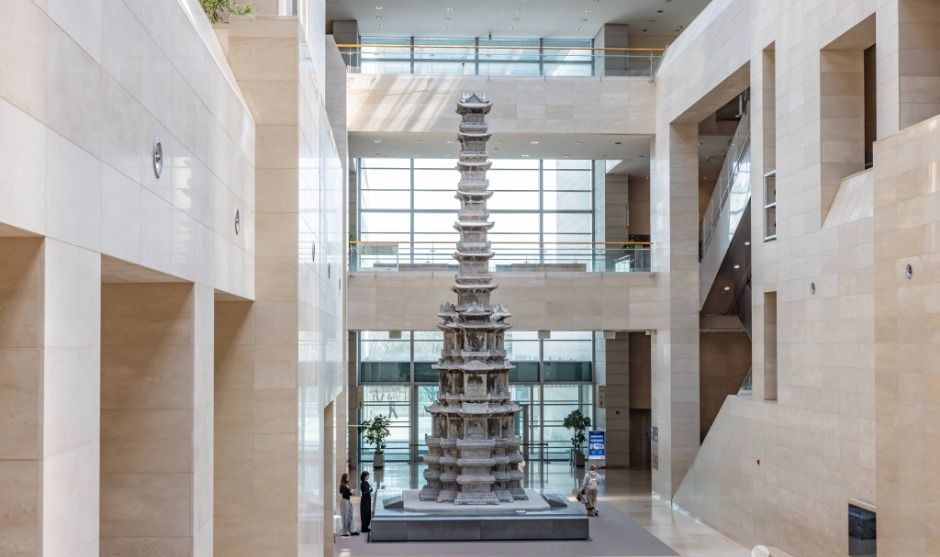
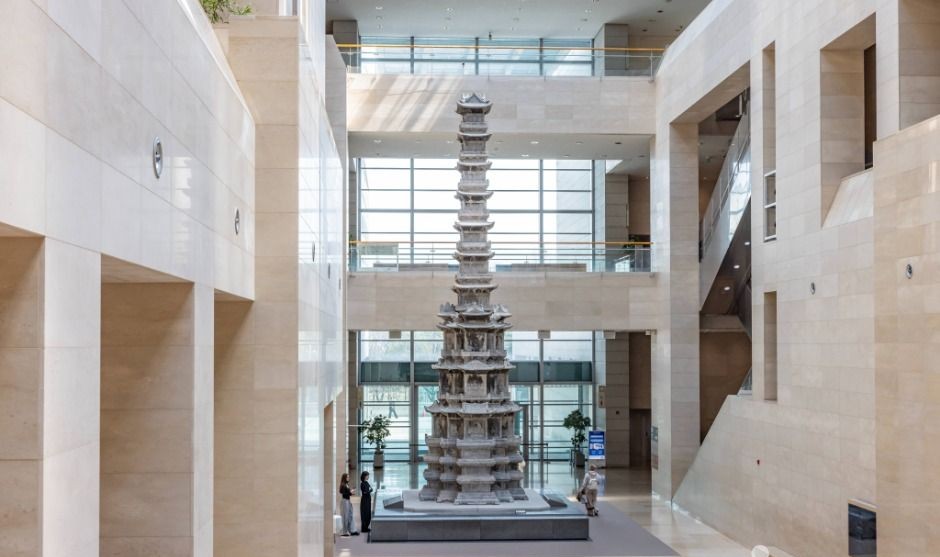
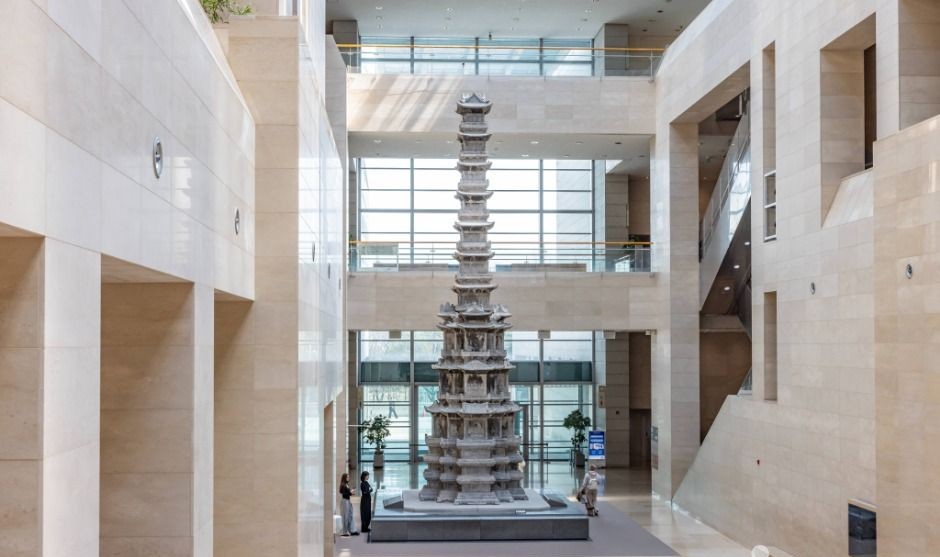
The National Museum of Korea sits right above Ichon Station, served by Seoul Subway Line 4 and the Gyeongui-Jungang Line according to Seoul's official transit information (https://english.seoul.go.kr), with a direct underground passage from the station to the museum's entrance, one of the more convenient museum-subway connections in the city. You'll tap your T-money card at the turnstile to get there, which is the most reliable way you'll use it on this trip.
Once you're inside, the picture gets more mixed. Many museums and cultural venues in Seoul have swapped old coin-operated lockers for card-tap lockers, and T-money is commonly one of the accepted cards for that small deposit-and-return system. You tap in, the machine holds a small amount, and you get it back when you retrieve your bag. This is likely where the hidden debit card idea comes from: travelers tap the same card they used on the subway and are surprised it works on a locker.
What T-money generally will not do is pay for your museum ticket or gift shop purchase. Those go through standard credit or debit card readers, the same as at home. As of 2026, the National Museum of Korea (https://www.museum.go.kr) lists general admission to its permanent exhibition halls as free, with separate paid tickets required for special exhibitions, and hours and the weekly closed day shift by season, so it's worth checking the official page the morning of your visit rather than assuming.
Where Else Does the T-Money-as-Debit-Card Trick Actually Work?

Outside the museum, the pattern repeats itself across the city. In neighborhoods like Myeongdong, you'll find T-money readers at convenience stores, some street-side vending machines, and coin lockers at shopping centers and a handful of tourist attractions.
It's genuinely useful for exactly the kind of small, fast purchase where pulling out a foreign credit card feels like overkill: a bottle of water, an umbrella from a convenience store when it starts raining, a locker at a hiking trailhead. That's the sweet spot, low-value and high-frequency spending, not big purchases.
It's worth saying plainly that this isn't unique to Korea. Japan's Suica and Hong Kong's Octopus card work on the same idea, a transit card that quietly becomes the easiest way to pay for small things around a city. If you've traveled either place before, the pattern will feel familiar.
How Do You Actually Get One as a First-Time Visitor?
You can buy an unregistered T-money card at almost any subway station ticket machine, or at CU, GS25, and 7-Eleven convenience stores, including ones inside Incheon International Airport's arrival areas, per Incheon International Airport's official visitor information (https://www.airport.kr). The blank card itself typically costs a few thousand won, and you load cash onto it separately at the same machines or store counters.
If you'd rather sort out cash and a T-money-style card in one stop, currency exchange kiosks like WOWPASS at Incheon Airport bundle a prepaid card with T-money functionality alongside a currency exchange, which some travelers find easier than doing two separate transactions on arrival. This isn't a paid placement, just one of the more common airport options travelers ask about, and it's worth comparing the exchange rate against a regular currency counter before you commit.
Whichever route you take, load a modest amount to start. You can always top up again at any subway station, and doing it in smaller amounts limits how much you'd lose if the card goes missing.
What T-Money Can't Do: The Honest Limits
T-money isn't linked to your bank account, so there's no fraud protection or dispute process if something goes wrong, and it doesn't work for online bookings, hotel deposits, or paying entrance fees at most museums, including the National Museum of Korea.
It's also worth knowing that many Korean residents now use a version of T-money built into their smartphone's NFC chip instead of a physical card, but that setup is generally tied to a Korean phone number and bank account, so as a visitor you'll almost always want the plastic card instead.
Refunding leftover balance is possible but not free everywhere. Many convenience stores will refund small balances in cash on the spot, usually minus a small service fee, while larger balances are typically better refunded at a subway station's customer service counter or before you leave the country at the airport. Treat it as a spending card, not a savings account, and load only what you'll realistically use during your stay.
None of this makes T-money less worth having. It just means it's a convenience layer on top of your real payment methods, not a replacement for them.
Final Thoughts
A T-money card won't replace your bank card, and it was never designed to. What it does well is remove the friction of small, constant transactions, a bus ride, a locker at the National Museum of Korea, a bottle of water on a hot afternoon, so your actual debit or credit card stays in your bag for the bigger purchases.
How much you lean on it depends on your travel style. Some travelers top up once and barely think about cash again; others prefer having several payment options running in parallel. Neither is wrong, it's really about how you like to move through a trip.
Not sure whether you're the kind of traveler who wants one card doing everything, or several options running side by side?
Take a couple of minutes to find your Korea travel style and get a course built around it.
Find your Korea travel style →